













![JMA – Ninja & Deep Jandu [Official MV] Kaptaan](https://i.ytimg.com/vi/-dsfIh319s0/maxresdefault.jpg "JMA – Ninja & Deep Jandu [Official MV] Kaptaan")






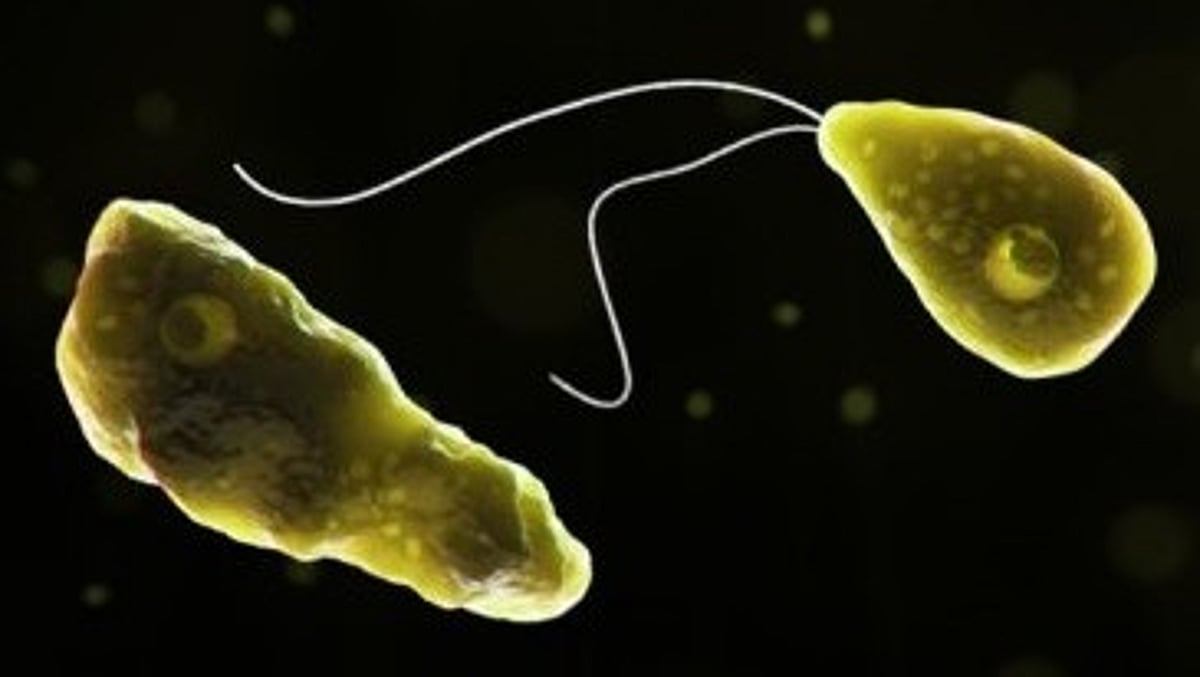
The infection, though rare, is highly lethal. It occurs when contaminated freshwater enters the nose and the amoeba travels to the brain. Symptoms start with fever, headache and nausea, but quickly progress to seizures, coma, and in most cases, death. While global survival rates are extremely low, Kerala has recorded a few recoveries thanks to faster diagnosis and improved intensive care.
The state government has intensified surveillance and prevention efforts. Laboratories in Thiruvananthapuram have been equipped for advanced PCR and genomic testing, while water bodies, wells, and swimming pools are being chlorinated. Public awareness drives are underway to warn against swimming in untreated water and to promote precautionary steps such as using nose clips.
Experts say the sharp rise in cases reflects multiple factors.
“Warmer temperatures have made freshwater bodies more hospitable to the amoeba, while poor sanitation in some wells and tanks has increased risks. Improved diagnostic capacity has also led to more cases being identified than in the past,” says Dr K K Vijyan, leading internist in Kerala.
The scattered spread of infections poses challenges for health authorities, as no single source can be isolated and treated. Treatment remains difficult because the disease progresses rapidly, leaving doctors with little time to intervene once symptoms appear. Smaller outbreaks in swimming pools and public water bodies underline the importance of proper chlorination and hygiene.
“The key challenge in treating PAM is its rapid spread to brain cells. The amoeba enters through the olfactory nerve in the nose when a person swims in stagnant or contaminated ponds and lakes, making the disease highly fatal,” explains Dr. Vijayan.
Despite these challenges, Kerala’s quicker detection, ICU preparedness, and research collaborations have helped improve survival compared to global trends. Still, the rise in cases is a reminder of the urgent need for stronger water safety measures and sustained public cooperation.
What next
The government’s immediate focus is on preventing fresh infections through chlorination, water testing, and awareness campaigns.
“However, long-term control will depend on better sanitation practices, climate-linked monitoring of water sources, and continued investment in diagnostics and scientifically designed research,” says Prof. Dr Sai Gopinath, a leading physician and medical researcher.
While the outbreak is limited in scale compared to other epidemics, its high fatality rate makes it a pressing public health concern. Vigilance, early detection, and preventive action will be crucial in containing further spread.