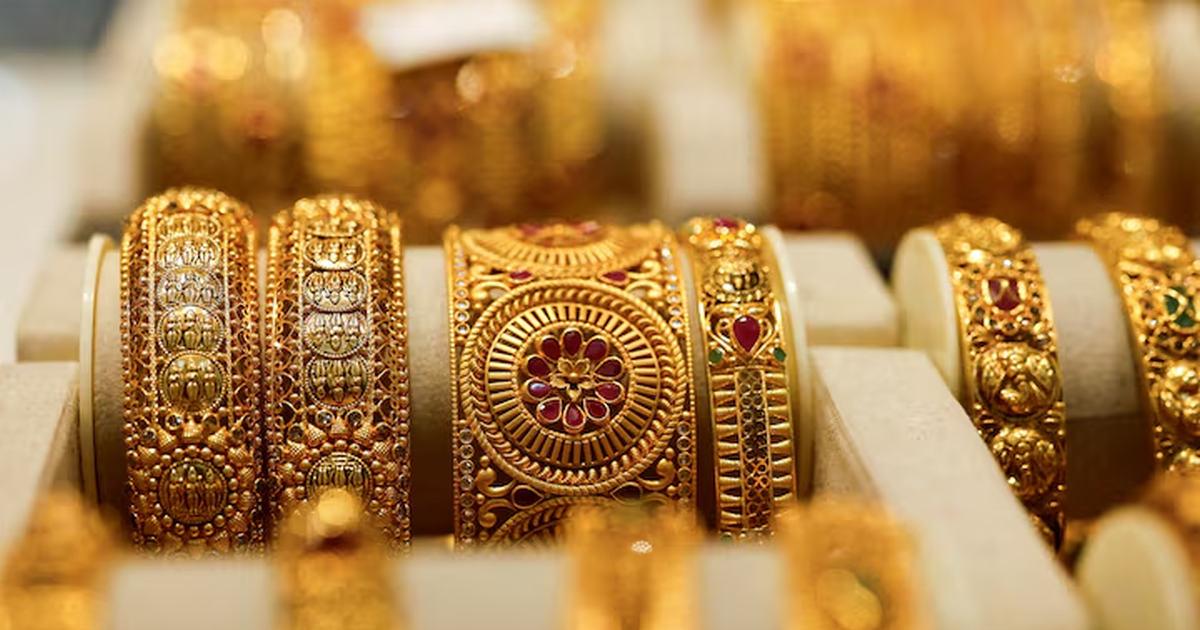













Leading Indian jewellery organisations are rallying behind Prime Minister Narendra Modi’s call to curb gold imports, proposing significant enhancements to the Gold Monetisation Scheme (GMS) to unlock the nation’s vast idle gold reserves and strengthen the domestic economy.

Photograph: Heinz-Peter Bader/Reuters
Key Points
- The All India Gem & Jewellery Domestic Council (GJC) supports PM Modi’s call to reduce gold imports and advocates for a transparent Gold Monetisation Scheme (GMS) to unlock existing gold.
- Malabar Gold & Diamonds has submitted a proposal to the government recommending strategic enhancements to the GMS to increase public participation and mobilise idle gold.
- India imports 700–800 tonnes of gold annually, straining foreign exchange reserves, while households hold an estimated 25,000–35,000 tonnes of idle gold.
- Kalyan Jewellers India launched the ‘Nation First — Gold4India’ initiative to activate dormant household gold reserves and encourage responsible consumption.
- A stronger domestic gold recirculation ecosystem can sustain employment in the jewellery sector and help states preserve GST revenues.
The All India Gem & Jewellery Domestic Council (GJC) said in a release on Tuesday that unlocking the country’s existing gold through a transparent and regulated Gold Monetisation Scheme (GMS) could help create value.
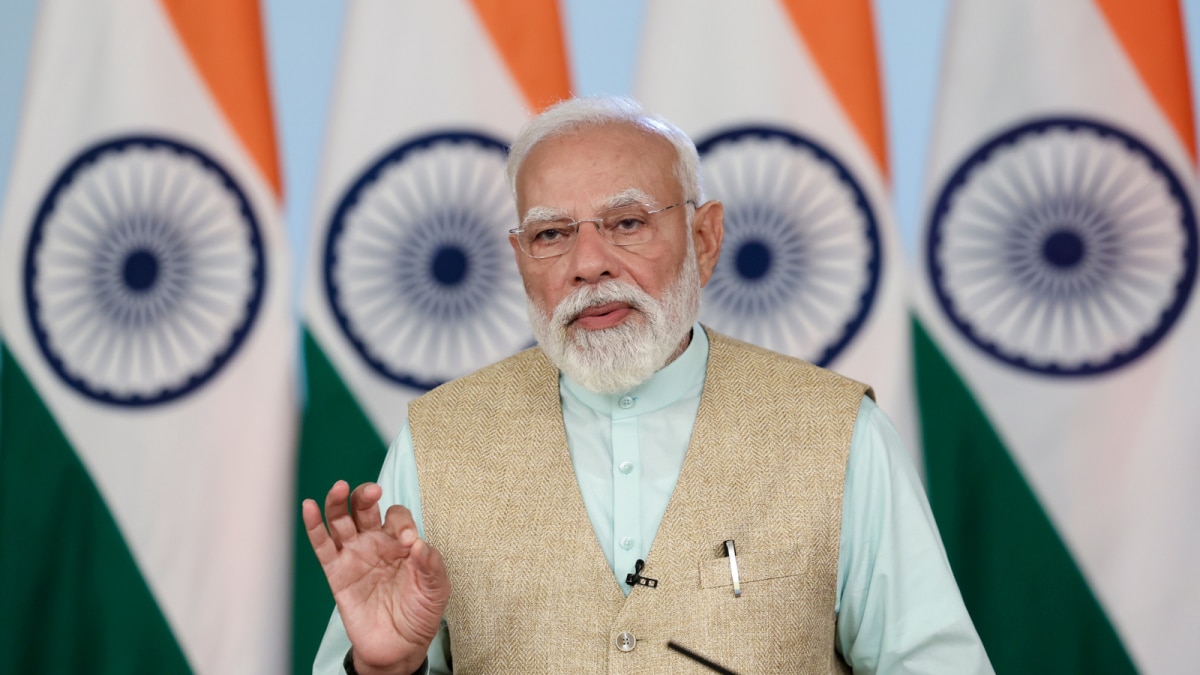
The statement comes after Prime Minister Narendra Modi on Sunday appealed to people to explore ways to reduce foreign expenditure, such as reconsidering destination weddings abroad or limiting excessive gold purchases for a year.
Industry Backs PM’s Call
“India’s economic strength must always come before individual preferences.
“The PM’s appeal regarding responsible gold consumption reflects the larger national concern of rising imports and pressure on foreign exchange (forex) reserves.
“At the same time, India already possesses thousands of tonnes of idle household gold.
“The solution may not lie only in reducing demand, but also in unlocking the immense value of existing gold through a transparent and regulated GMS,” said Rajesh Rokde, chairman of GJC.
One of India’s largest jewellery retailers, Malabar Gold & Diamonds, also said in a release on Tuesday that it had submitted a comprehensive proposal to the Government of India recommending strategic enhancements to the GMS.
The proposal outlines measures aimed at increasing public participation in the scheme, mobilising idle gold into the formal economy, and encouraging greater recycling, reuse, and circulation of existing gold within India, the jewellery chain said.
Addressing Gold Imports and Idle Reserves
India imports 700–800 tonnes of gold annually, resulting in major forex outflows and pressure on the current account deficit.
At the same time, Indian households and institutions are estimated to hold nearly 25,000–35,000 tonnes of gold in the form of jewellery, coins, and bars, much of which remains economically idle, the release added.
“India possesses one of the world’s largest privately held gold reserves while continuing to rely significantly on imports to meet domestic demand.
“We wholeheartedly support the PM’s appeal and believe that encouraging responsible utilisation, recycling, and circulation of existing gold within the country is an important national priority.
“With appropriate policy support and active integration of the organised jewellery sector, the GMS can emerge as a highly effective mechanism for mobilising idle gold into the formal economy,” said M P Ahammed, chairman of Malabar Group.
New Initiatives for Gold Monetisation
Jewellery chain Kalyan Jewellers India also announced the launch of the Nation First — Gold4India initiative, a framework aimed at activating dormant household reserves of the precious metal, formalising trust in gold liquidity, and encouraging responsible consumption patterns, the company said in a release.
T S Kalyanaraman, managing director of Kalyan Jewellers India, said: “A stronger domestic recirculation ecosystem can sustain employment in the jewellery sector and help states preserve goods and services tax revenues linked to organised trade.
“The Nation First — Gold4India initiative goes far beyond just a promotional campaign.”
He added: “The initiative will strive to spark a behavioural shift among consumers — from viewing gold solely as a static asset preserved indefinitely to recognising it as a renewable domestic resource capable of continuously generating economic value within the country.
“If even a fraction of this inactive gold can be responsibly brought back into circulation, India can potentially reduce incremental dependence on imported gold without disrupting consumer aspirations or cultural traditions.”