

















India’s retail inflation climbed to 3.48 per cent in April, primarily fuelled by a significant surge in gold and silver jewellery prices and an increase in the cost of essential kitchen items, impacting household budgets across the nation.

Photograph: Francis Mascarenhas/Reuters
Key Points
- India’s retail inflation rose to 3.48 per cent in April, an increase from 3.40 per cent in March.
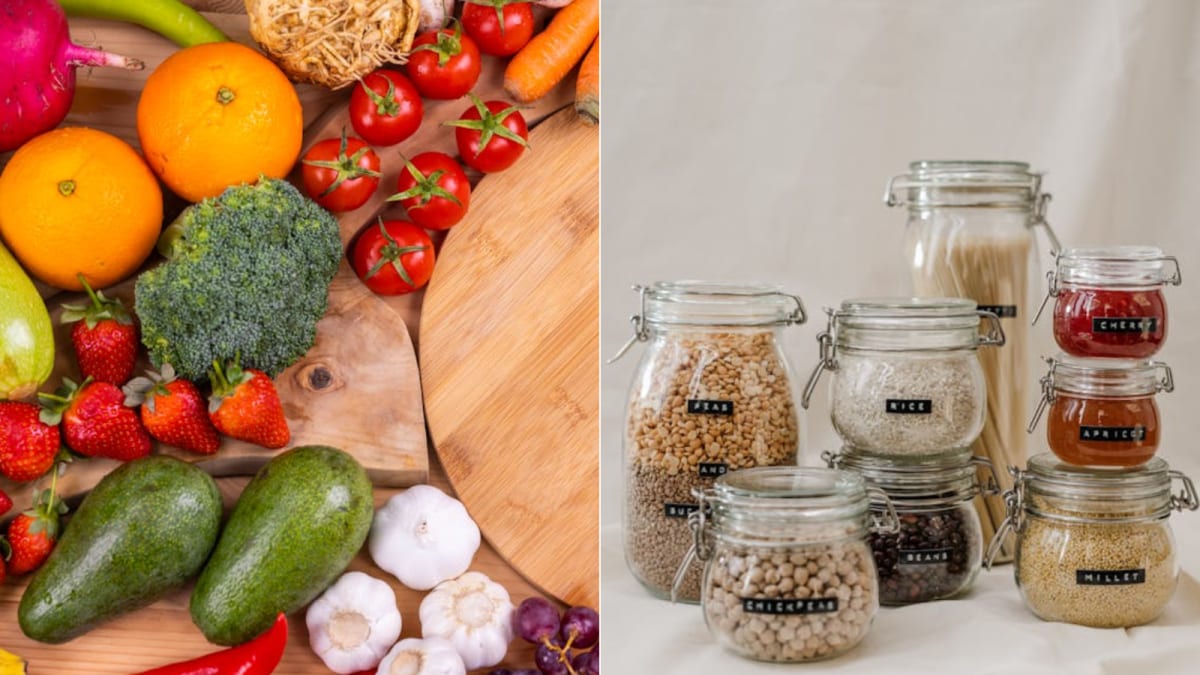
- The primary drivers of this increase were higher prices for gold and silver jewellery, alongside kitchen staples such as tomatoes and cauliflower.
- Food basket inflation saw an uptick to 4.20 per cent in April, compared to 3.87 per cent in the previous month.
- Core inflation remained stable at 3.4 per cent, suggesting that price pressures are concentrated in specific sectors.
- Economists highlight the West Asia conflict, potential heatwaves, and El Nino conditions as key monitorables for agricultural production and food inflation in the coming fiscal year.
India’s retail inflation rose slightly to 3.48 per cent in April, mainly due to higher prices of gold and silver jewellery as well as some kitchen items, according to government data released on Tuesday.
The Consumer Price Index (CPI)-based inflation, with base year 2024, was 3.40 per cent in March, 3.21 per cent in February, and 2.74 per cent in January.
Food and Jewellery Drive Price Hikes
The data released by the National Statistics Office (NSO) showed that inflation in the food basket was at 4.20 per cent in April, up from 3.87 per cent in the preceding month.

The pace of price hike was the highest in silver jewellery at 144.34 per cent, followed by coconut-copra (44.55 per cent); gold, diamond, platinum jewellery (40.72 per cent), tomato (35.28 per cent), and cauliflower (25.58 per cent).
On the other hand, there was a contraction in prices of potato, onion, motor car and jeep, peas, and air-conditioners, the data showed.
RBI Projections and Economic Outlook
Last month, the Reserve Bank projected the CPI inflation for 2026-27 at 4.6 per cent, with 4 per cent in Q1. It also said that persistently elevated energy prices due to the West Asia conflict and possible El Nino conditions (which could have a negative impact on the southwest monsoon) pose upside risks to inflation.
The Reserve Bank factors in the CPI while arriving at its bi-monthly monetary policy.
The NSO data showed that CPI inflation rates for rural and urban areas were 3.74 per cent and 3.16 per cent, respectively.
The highest inflation was in Telangana at 5.81 per cent, and the lowest in Mizoram at 0.69 per cent.
NSO collects real-time price data from selected 1,407 urban markets, including online markets, and 1,465 villages covering all states and Union Territories.
Expert Commentary on Inflation Trends
Commenting on the inflation data, Rajani Sinha, Chief Economist, CareEdge Ratings, said food inflation increased as the favourable base effect from last year faded, and seasonal price pressures began to emerge.
“Meanwhile, the rise in inflation for restaurant and accommodation services likely reflects the pass-through of higher input costs, particularly following LPG price hikes,” she said.
The core inflation also stayed stable at 3.4 per cent.
In fact, excluding precious metals, core inflation remained subdued at around 2 per cent, Sinha added.
Dharmakirti Joshi, Chief Economist, Crisil, said the West Asia conflict, together with heatwaves and the expectation of El Nino this year, will keep agricultural production and food inflation as key monitorable this fiscal year.
“Inflation in the electricity, gas, and fuels category eased (to 0.7 per cent in April from 1.7 per cent in March) on the back of some base-effect,” he said.
While the government has restrained the rise in retail fuel inflation by keeping the pump prices of petrol and diesel unchanged, these could come under pressure in the coming months, Joshi said.
According to Rajni Thakur, Chief Economist, L&T Finance, the retail inflation in April at 3.48 per cent is better than expected across the board.
While food prices have nudged higher by around 30 basis points, overall transportation prices have actually eased, Thakur said.
Vikram Chhabra, Senior Economist, 360 ONE Asset, opined that the muted rise in inflation in April 2026 reflects the limited pass-through of higher energy and raw material costs to end consumers.
The trajectory ahead, however, remains concerning – particularly if pump prices rise and trigger second-round effects across the broader economy, he said.
Earlier Development
New Delhi, May 12 (PTI) India’s retail inflation rose slightly to 3.48 per cent in April, mainly due to higher prices of gold and silver jewellery as well as some kitchen items, according to government data released on Tuesday.
The Consumer Price Index (CPI)-based inflation, with base year 2024, was 3.40 per cent in March, 3.21 per cent in February, and 2.74 per cent in January.
The data released by the National Statistics Office (NSO) showed that inflation in the food basket was at 4.20 per cent in April, up from 3.87 per cent in the preceding month.
The pace of price hike was the highest in silver jewellery at 144.34 per cent, followed by coconut-copra (44.55 per cent); gold, diamond, platinum jewellery (40.72 per cent), tomato (35.28 per cent), and cauliflower (25.58 per cent).
On the other hand, there was a contraction in prices of potato, onion, motor car and jeep, peas, and air-conditioners, the data showed.
Last month, the Reserve Bank projected the CPI inflation for 2026-27 at 4.6 per cent, with 4 per cent in Q1. It also said that persistently elevated energy prices due to the West Asia conflict and possible El Nino conditions (which could have a negative impact on the southwest monsoon) pose upside risks to inflation.
The Reserve Bank factors in the CPI while arriving at its bi-monthly monetary policy.
The NSO data showed that CPI inflation rates for rural and urban areas were 3.74 per cent and 3.16 per cent, respectively.
The highest inflation was in Telangana at 5.81 per cent, and the lowest in Mizoram at 0.69 per cent.
NSO collects real-time price data from selected 1,407 urban markets, including online markets, and 1,465 villages covering all states and Union Territories.