












Last Updated:
PM Modi chairs cabinet meet, briefing at 3 PM: What happened after PM appealed for fiscal austerity amid West Asia crisis? What are 6 likely measures the govt could take?




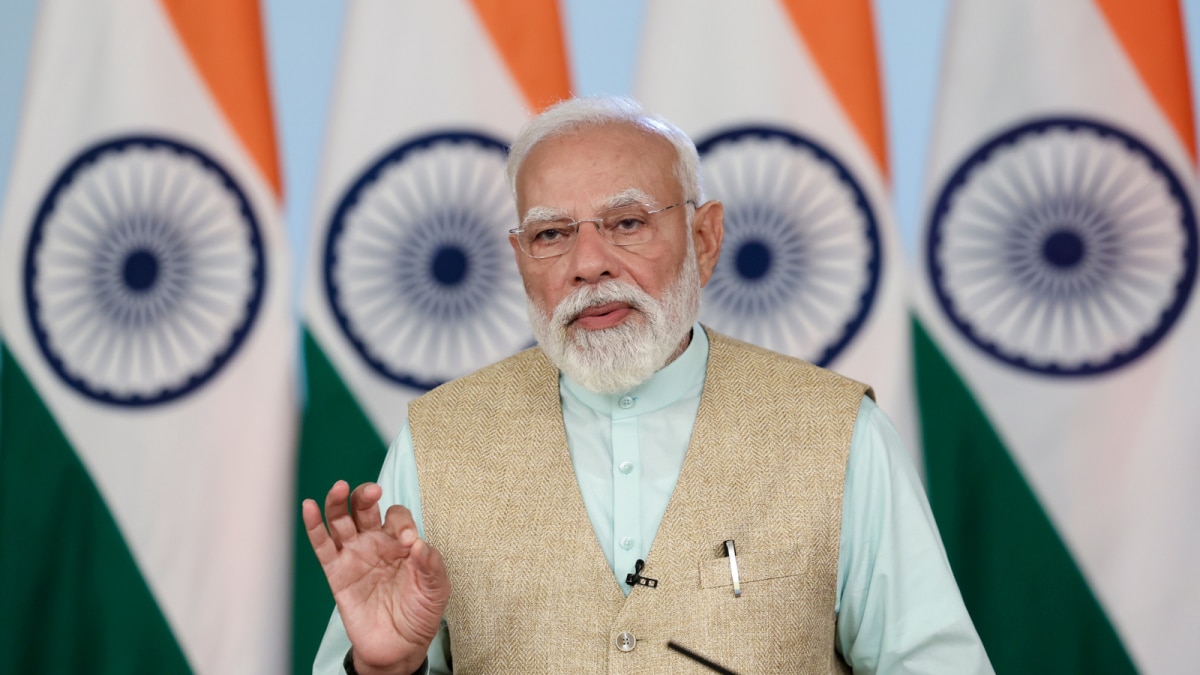
Prime Minister Narendra Modi. (PTI/File)
Days after pushing for fiscal austerity, Prime Minister Narendra Modi on Wednesday chaired a Union Cabinet meet, which according to reports, prioritised immediate economic responses to the escalating West Asia crisis.
With a briefing scheduled for 3pm, the key question is — are big austerity measures likely?
2 austerity appeals over 2 days: What PM Modi said
PM Modi delivered his dual austerity appeals across two consecutive days — May 10 at public address at a political gathering in Secunderabad/Hyderabad, Telangana and on May 11 at the inauguration speech at the Sardardham Hostel in Vadodara, Gujarat.
The PM called public belt-tightening as an act of “economic patriotism”, comparing the current resource crisis to wartime emergencies and the COVID-19 pandemic. PM Modi’s address focused on several key areas of personal consumption to help the nation navigate current economic challenges. He urged citizens to pledge against buying gold for one year to conserve foreign exchange.
He requested reduced use of petrol and diesel, suggesting the use of metro systems where available. He encouraged a return to “work from home,” online meetings, and video conferencing to save resources. The PM advised against foreign vacations and weddings for at least a year, advocating for the purchase of “Made in India” goods to save foreign currency.
What happened after PM Modi’s austerity push
PM Modi’s national austerity push is an emergency macroeconomic strategy designed to shield the Indian economy from the financial fallout of the escalating West Asia conflict and the US-Iran war. It aims to aggressively conserve foreign exchange reserves, curb oil import bills, and stabilise the rupee against global inflationary shocks.
The structural measures rolled out across the central and state governments include:
1. Drastic Reduction in Government Convoys
PM Modi ordered a 50% cut in the size of his official SPG carcade. A downsized convoy was immediately visible during his domestic tours to Gujarat and Assam. Central ministries and BJP-ruled states, including Uttar Pradesh, Maharashtra, Madhya Pradesh, and Rajasthan, have slashed official vehicle usage.
Ministers, such as Union Minister CR Patil, dropped their escort vehicles. States like Maharashtra restricted the use of state aircraft to urgent, pre-approved official work only.
2. Sharp Policy Actions on Precious Metals
Following the PM’s plea to citizens to delay gold purchases for a year, the Ministry of Finance officially hiked the effective import duty on gold and silver from 6% to 15% under Customs Notification No. 16/2026.
The updated tariff introduces a 10% Basic Customs Duty (BCD) alongside a 5% Agriculture Infrastructure and Development Cess (AIDC) to suppress luxury import demand and protect reserves.
3. Energy Conservation & Transit Shifts
The administration expects citizens and officials to transition heavily to metro rail networks, shared carpooling, and railway parcel lines for commercial shipments. The SPG and various state departments are instructing a shift toward electric vehicles (EVs) wherever possible, utilising current fleets to bypass any fresh procurement expenditures.
4. Revival of Covid-Era Work Practices
Taking note of PM Modi’s appeal, technology bodies like Nasscom backed the push. The Nascent Information Technology Employees Senate (NITES) petitioned the Labour Ministry to issue structured guidelines formalizing remote work as a resource-saving measure.
Economic decisions and price controls
The foreign exchange protection policy seeks to suppress non-essential overseas metal purchases, narrowing India’s trade deficit and stabilising the rupee against global shocks.
The cabinet has evaluated emergency buffer systems to tackle global crude oil supply bottlenecks and mitigate domestic petrol and diesel price hikes. The cabinet has advanced final reviews to sanction minimum support price (MSP) updates for upcoming Kharif crops to cushion agricultural sectors, according to reports.
The Cabinet Committee on Security (CCS) combined evaluations with the broader cabinet to diversify import sources for critical hardware and ensure uninhibited fertilizer supply chains for farmers. Relevant ministries have been directed to maintain dynamic diplomatic networks and establish frameworks for potential extractions of Indian nationals located in the conflict zones if conditions deteriorate further, say reports.
What is expected after the briefing?
- Fuel prices may be increased in phased tranches to absorb oil company under-recoveries.
- Temporary reductions in the Liberalised Remittance Scheme (LRS) limits are likely to restrict non-essential international travel and destination weddings abroad.
- Mandates or strong incentives for government and corporate sectors to return to “Covid-era” habits, including work-from-home (WFH) schedules and virtual meetings to sharply cut national fuel consumption are likely.
- Broad bans on the creation of new administrative posts, international tours for officials, and luxury furniture or machinery procurement across federal ministries, too, are possible, say experts.
- While India’s foreign exchange reserves remain at a relatively comfortable position of roughly $680–$690 billion (covering 11 months of imports), the sustained disruption threatens rapid depletion if left unchecked and measures could be taken to protect it.
- Oil accounts for 20% of India’s import bill, gold accounts for 9%, and fertilisers account for 2%. The government’s primary focus would be protecting supply chains for essential commodities (like agricultural fertilisers) while cutting down on discretionary spending to shield vulnerable citizens from severe inflation, say experts.
West Asia crisis and India
The West Asia Crisis is a severe geopolitical conflict involving the United States, Israel, and Iran, which escalated rapidly after joint U.S.-Israeli airstrikes targeted Iranian command infrastructure. Iran retaliated with widespread drone and missile strikes across Israel and the Gulf region, resulting in a dangerous regional military stalemate that has disrupted global stability. The most critical economic fallout stems from a dual blockade of the Strait of Hormuz—a vital maritime chokepoint handling over 20% of global petroleum—which has driven Brent crude oil prices past $105 per barrel and triggered the worst energy shock since the 1970s.
This crisis severely impacts India due to its heavy reliance on Persian Gulf trade, causing a sharply widening Current Account Deficit, a historic drop in the Rupee, and critical shortages in industrial fuel and imported fertilizers. Beyond economic strain, the Indian government faces a massive humanitarian challenge as it creates emergency evacuation contingency plans to ensure the safety of over 90 lakh (9 million) Indian expatriates currently stranded across the conflict zone.
With agency inputs
Read More