













India
-Krishna Kripa


The
Indian
Army,
in
collaboration
with
partner
forces,
conducted
140
sorties
over
77
hours
from
November
17
to
20.
They
transported
925
passengers
and
8,385
kg
of
cargo
to
ensure
participation
in
the
Maharashtra
Assembly
elections,
even
in
remote
and
Naxal-affected
areas.
The
elections
took
place
on
November
20,
with
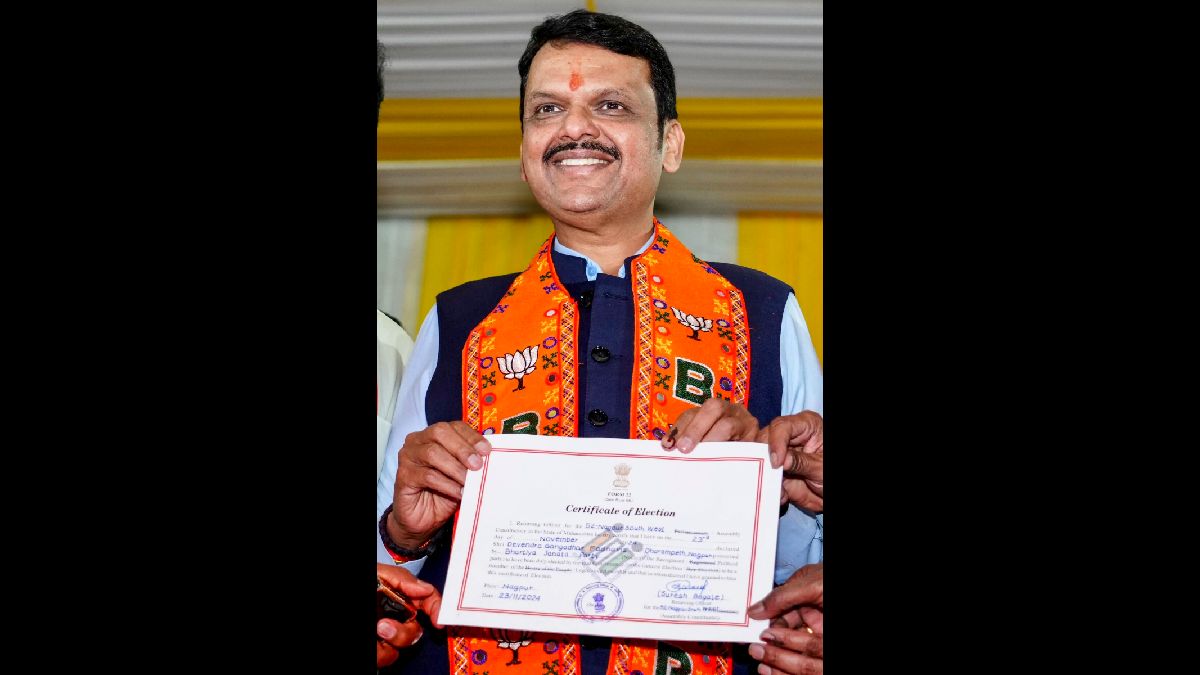
results
announced
on
November
23,
officials
reported.

image
The
army’s
efforts
were
crucial
in
enabling
voters
from
challenging
regions
to
cast
their
votes.
A
senior
army
official
stated
that
the
army,
along
with
other
security
forces,
mobilised
essential
resources
for
this
purpose.
Two
Advanced
Light
Helicopters
(ALHs)
were
deployed
to
facilitate
the
movement
of
election
officials
and
logistics,
including
Electronic
Voting
Machines
(EVMs),
to
areas
lacking
surface
connectivity.
Army’s
Role
in
Remote
Areas
This
deployment
ensured
the
election
process
was
carried
out
successfully
in
difficult
and
remote
locations.
From
November
17
to
20,
the
army
and
its
partners
flew
a
total
of
140
sorties
over
77
hours,
transporting
925
passengers
and
8,385
kg
of
cargo.
Of
these,
the
Indian
Army
conducted
17
sorties,
clocking
approximately
22
hours
of
flight
time
and
carrying
124
passengers.
During
the
de-induction
phase
from
November
20
to
21,
the
forces
collectively
flew
56
sorties
over
23
hours.
They
moved
408
passengers
and
transported
6,980
kg
of
cargo.
The
Indian
Army
alone
conducted
nine
sorties
during
this
phase,
totalling
10
hours
of
flight
time
and
carrying
73
passengers.
Facilitating
Election
Logistics
The
army’s
aviation
helicopters
played
a
vital
role
in
transporting
election
officials
and
EVMs
from
Wadsa
to
various
hard-to-reach
locations.
These
included
Sawargaon
(165
km),
Gyarapatti
(70
km),
Muramgaon
(68
km),
and
Katezari
(50
km),
all
severely
impacted
by
Naxalite
activities.
The
successful
execution
of
these
operations
underscored
the
army’s
significant
role
in
supporting
democratic
processes.
It
ensured
every
citizen
could
participate
in
the
election
process,
regardless
of
their
location’s
remoteness.