.jpg "Unveiling the imbalance in heroic narratives of Hindi mainstream cinema")













![JMA – Ninja & Deep Jandu [Official MV] Kaptaan](https://i.ytimg.com/vi/-dsfIh319s0/maxresdefault.jpg "JMA – Ninja & Deep Jandu [Official MV] Kaptaan")





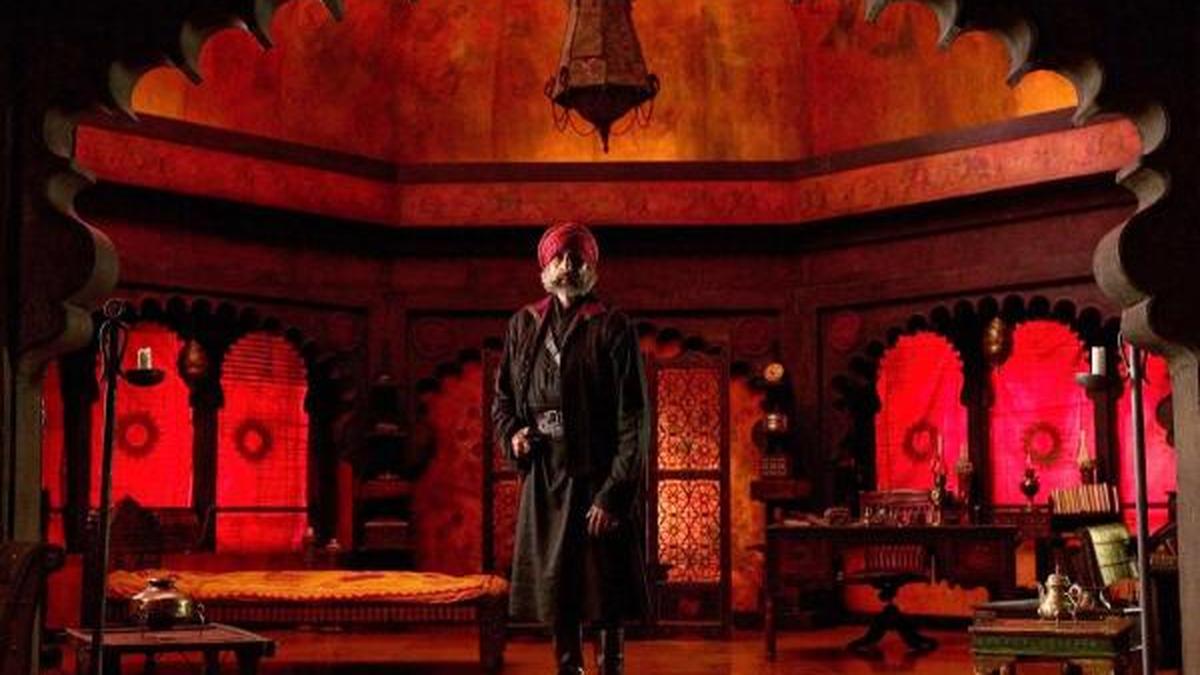
Hindi cinema is known for its outstanding heroic tales that not only entertain the cinemagoers but also inspire them to perform their moral duties. 12th Fail, the recent sleeper hit by Vidhu Vinod Chopra that is trending in the mainstream cinema discourses for portraying an impressive rag to rich story of an IAS officer Manoj Kumar Sharma (played well by Vikrant Messy), endorses such values.
On the flip side however, like many other blockbusters, this narrative too revolves around the concerns of the social elites and portrays cultural and political values that are distanced from the experiences of socially marginalised groups, especially the Dalits and the Adivasis. Though a lot many can find an emotional connection to the portrayal of the protagonists’ precarious poverty and struggles, it has little resemblance with the Dalit-Bahujan-Adivasis’ (DBA) socio-cultural experiences.
On and off the screen
Hindi cinema is globally recognised for its fictional masala-coated tales that entertain its audience with superlative songs, dance and dramatic action scenes. The mainstream films with big stars earn impressive box-office success whereas films with creative content and social realism hardly find a good audience. Such popular notions are utilised to limit the critics from examining cinema’s intellectual calibre, its artistic-creative skills and the role cinema shall play in shaping the general attitude of the audience. Importantly, such assertions further disallow the critics from noticing the overt domination of the social elites in the film business and how there is perpetual neglect of DBA characters, their experiences and aspirations on and off the screen.
The major hit films of the past year, mainly Jawan, Pathaan, Animal, Gadar: Ek Prem Katha and Oh My God showcase the upper caste person as the lead protagonist.
A cursory survey of the top 100 Hindi superhit films will show the perpetual exclusion of the DBA characters and their world view in mainstream Hindi cinema barring some exceptions, making the film industry a hegemonic domain that represents the concerns and interests of the social elites.
For example, in Amitabh Bachchan’s illustrious filmography of over 200 films, he has played a Dalit character only in Eklavya. Similarly, other big actors like Shah Rukh Khan or Akshay Kumar never played any role on the screen that closely represented the concerns and identity of the DBA groups.
Serving the interests of the elites
The protagonist with an upper caste identity is overtly valourised while denying the possibility that a DBA person/character can also play identical ‘heroic’ roles on screen.
The general audience is also comfortable with the fact that the on-screen heroes and legends perpetually represent the identities and interests of the social elite.
Ironically, very few observe that the cinema has been disinterested in portraying various social ills like caste discrimination, untouchability or violence against Dalit women.
In various political and social events, the arrival of the DBA groups is appreciated and seen as a crucial marker of substantive democracy, however, the private economy, including the Hindi cinema industry, has remained aloof. Because of its exclusivity and undemocratic nature, the film industry appears as a crony capitalist enterprise that serves the class and political interests of the powerful elites.
Like the other capitalist models, cinema makers create the product (films) for the general consumption of the audience and earn profit and popularity.
The domination of the social elites in each format of the filmmaking, performances, distribution and exhibition business has made the Hindi film industry a fiefdom of a few privileged social elites, alienating the others mainly as passive consumers.
Protectors and heroes
The DBA audience is a mere spectator of the cinema industries end product, having little influence over the business and cinematic narratives. When they watch cinema, they often see the social elite characters as heroes, struggling protagonists and key protectors of the nation’s cultural and moral identity. Because of this social history and caste identity, the DBA person appears unfit to represent the heroic values that the upper caste character plays so naturally on the screen.
The visible absence of the DBA on the screen also means that behind the silver screen, the filmmakers, writers and other technicians are least interested in the DBA life experiences, their struggles and aspirations.
To make cinema democratic, it is required that conventional filmmakers engage with the issues and concerns of DBA groups and provide them equitable space on the screen.
Also, behind the screen, in the process of filmmaking, more technicians and artists from the DBA background shall be given enough opportunities.
‘Democratise the cinema’
The way due to the presence of creative Muslim minds in the creative and technical sphere of filmmaking has provided cinema with a vibrant genre of Muslim social films and secularised the narratives, the assertion of DBA here would democratise the cinema with new narratives that are closer to social realities.
With the arrival of filmmakers like Pa Ranjith, Nagraj Manjule, Mari Selvaraj, Neeraj Ghaiwan and others, a nascent ‘Dalit genre’ of cinema has been initiated, especially in Tamil and Marathi film industry.
It has showcased new techniques of storytelling, introduced powerful DBA characters and entertained the audience with creative narratives.
However, the possibility that the Dalit-Bahujan cinema genre will democratise the film industry is a farfetched thought.
Cinema should represent the social interests and political values of the DBA groups and the profits and privileges of the film industry should be distributed equitably.





.jpg&description=Unveiling+the+imbalance+in+heroic+narratives+of+Hindi+mainstream+cinema)