















‘In the current environment, India is effectively paying a premium for supply security and diversification.’

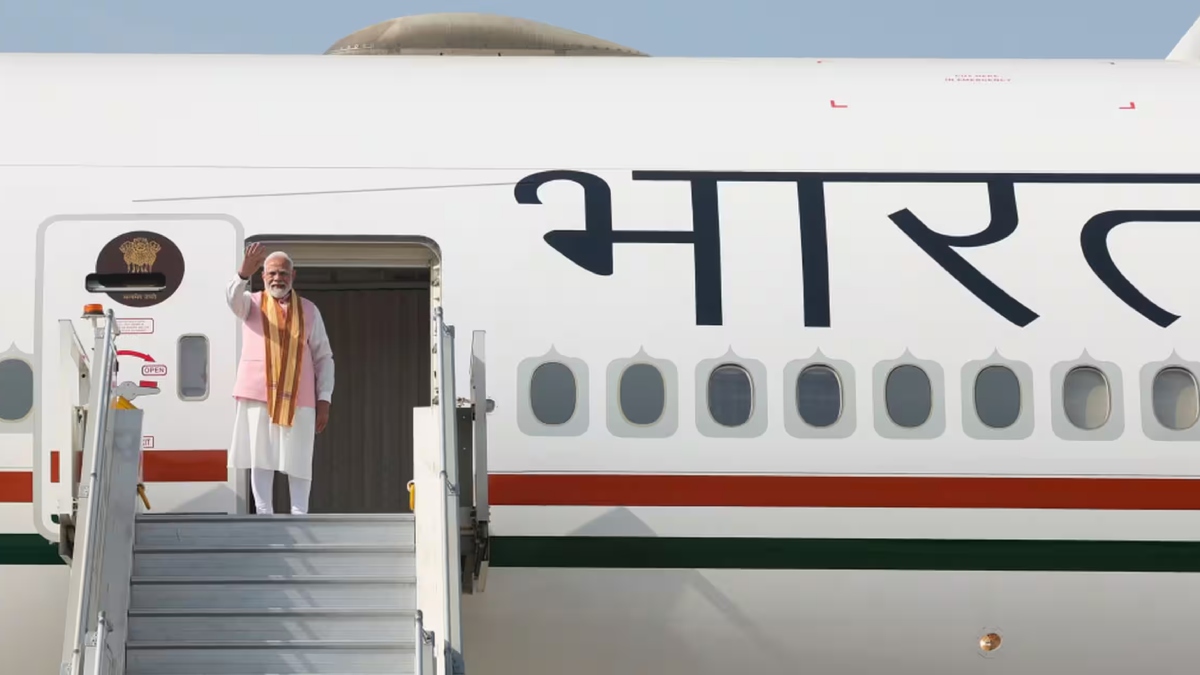
Kindly note that this image has only been posted for representational purposes. Photograph: ANI Photo
Key Points
- India’s crude oil imports from Russia are expected to fall to 2.1 mbpd in August, down from 2.6 mbpd in previous months, though Russia remains the largest supplier.
- The decline in Russian oil imports is attributed to refinery maintenance, normalisation after strong buying, lower Russian export availability, and increased competition from China.
- India’s energy imports are increasingly shifting towards the US, particularly for LPG, due to reduced availability from West Asia and a strategic need for diversification.
- Replacing West Asian supplies with US cargo incurs additional costs due to longer voyages and tighter global availability, leading to higher freight and commodity prices.
- Renewed sanctions on Iran pose a macroeconomic risk for India primarily through higher energy prices, as China’s potential demand reshuffling could drive up benchmark oil prices.
India’s imports of crude oil from Russia are expected to turn out to be around 2.1 million barrels per day (mbpd) in August, down sharply from the record levels of around 2.6 mbpd seen in July and June this year, fresh data from maritime intelligence and research firm Kpler shows.
Despite the decline in August, Russia remains India’s largest supplier, accounting for more than 40 per cent of the import.
Russia is followed by the United Arab Emirates at 611,000 barrels per day (or 611 kbpd), Saudi Arabia at 385 kbpd, Venezuela at 383 kbpd, Nigeria at 129 kbpd, and Brazil at 120 kbpd.
“The decline does not reflect Indian appetite for Russian oil is weakening. It shows a combination of refinery maintenance, some normalisation after strong buying in recent months, lower Russian export availability, and increasing competition from China,” said Sumit Ritolia, senior manager (modelling), Kpler.
Shifting Supply Dynamics
In July too, Russia was followed by the UAE at 470 kbpd, Saudi Arabia at 390 kbpd, Venezuela at 218 kbpd, and Oman at 202 kbpd.
The August data also shows that the shift of India’s energy imports towards the US has broadly continued over the past few months, particularly for liquefied petroleum gas (LPG).
The change is driven largely by the reduced availability from West Asia and the need for Indian buyers to diversify and secure replacement cargo.
Experts say there is an additional cost associated with replacing nearby West Asian supplies with cargo from the US and other more distant origins.
Also, freight is higher because of the significantly longer voyage while tighter global availability has also raised the underlying commodity cost.
Cost of Diversification
“I would not attribute the entire increase in India’s import of liquefied natural gas or LPG to the shift towards the US. The increase reflects a combination of higher international prices, tighter West Asian availability, freight and insurance costs, and longer supply routes,” Ritolia said.
“In the current environment, India is effectively paying a premium for supply security and diversification,” Ritolia added.
The latest round of heavy sanctions by the US on Iran, he said, were unlikely to have an impact because India’s direct exposure to Iranian oil was limited.
India has not imported any meaningful quantity of crude oil from Iran in the past five years, and experts say India’s bigger exposure comes from second-order effects, particularly through China.
Impact of Iran Sanctions
“If China, which imports much more than 50 per cent of Iran’s supplies of crude oil, is forced to source oil elsewhere, it will increase competition for the alternative barrels that India relies on. This demand reshuffling would likely push benchmark prices higher, resulting in a higher import bill for India,” Ritolia said.
India’s vulnerability regarding Iranian supplies historically relates more to LPG supply balances and friction on freight and insurance through the region rather than oil volumes.
However, the renewed escalation in the Iran conflict presents a significant macroeconomic risk for India, primarily on account of higher energy prices rather than an immediate shortage of crude oil.
India imports 90 per cent of its crude requirement and a sustained rise in oil prices could widen the import bill and jack up inflation through freight rates.
“We have seen Russian crude oil trading at a premium now. The consequences would extend well beyond refinery economics,” Ritolia said.
“Russian crude oil has become the backbone of India’s energy security, allowing refiners to sustain high utilisation rates while reducing dependence on Hormuz-transited supplies.”