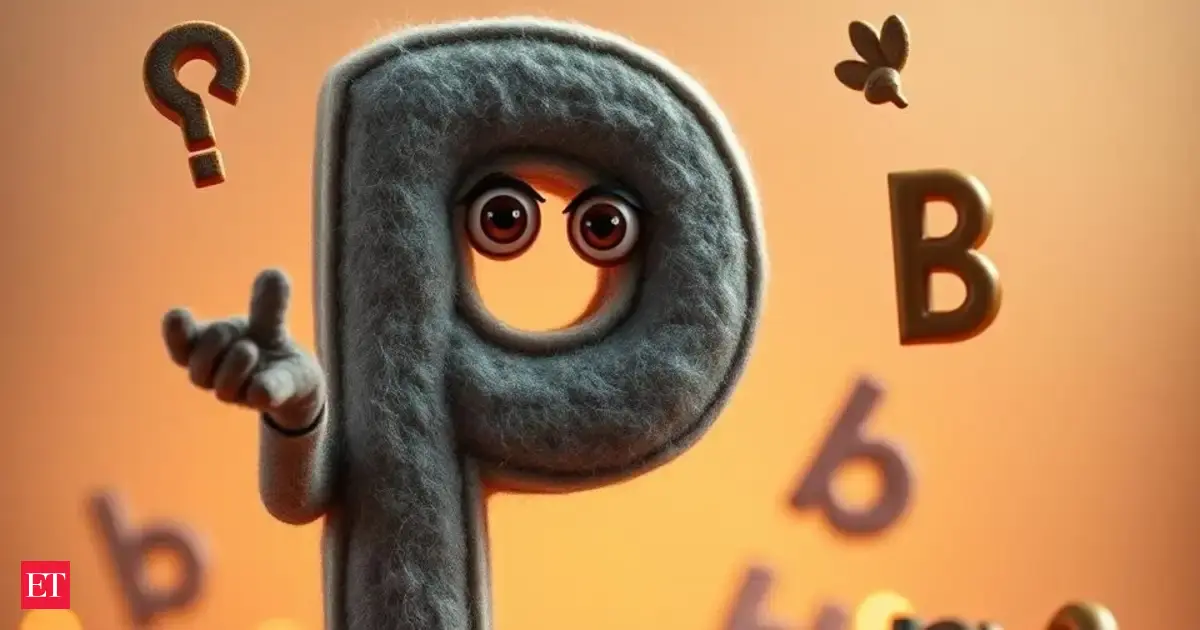

















Often employed in poetry, speeches and everyday conversation, paronomasia highlights the creative potential of language, where similar-sounding words are used to produce striking or humorous effects.
Word of the Day Today: Meaning of Paronomasia
The noun paronomasia refers to:
- A rhetorical device involving wordplay, especially puns
- The deliberate use of similar-sounding words for humorous or stylistic effect
Definition:
The use of words that sound alike but have different meanings, often to create a pun or a playful linguistic effect.

It is widely recognised as a hallmark of wit and verbal creativity.
Pronunciation of Paronomasia
/ˌpar-uh-noh-MAY-zhuh/
(par-uh-noh-MAY-zhuh)
The cadence of the word mirrors its playful and rhythmic essence.
Origin and Etymology
The term paronomasia originates from:
- Greek: paronomazein (to name differently or change a word slightly)
- From para (beside) + onoma (name)
It entered English through Latin rhetorical traditions, where it was used to describe figures of speech based on wordplay.
Synonyms of Paronomasia
Words and expressions that convey similar ideas include:
- Pun
- Wordplay
- Double entendre
- Play on words
- Wit
- Verbal irony
These highlight the humorous or stylistic manipulation of language.
Antonyms of Paronomasia
Opposites emphasise directness and literal meaning:
- Literal expression
- Plain speech
- Direct language
- Unambiguous phrasing
- Straightforward communication
These reflect language devoid of wordplay or ambiguity.
Using Paronomasia in Sentences
The word’s versatility makes it suitable across genres.
Journalistic usage
- The headline relied on paronomasia to capture readers’ attention with a clever twist of words.
Literary usage
- Shakespeare frequently employed paronomasia to add humour and depth to his dialogue.
Academic writing
- The study examines the use of paronomasia in classical rhetoric.
Creative writing
- His speech sparkled with paronomasia, leaving the audience both amused and thoughtful.
Everyday conversation
- Her joke was a fine example of paronomasia, playing on the double meaning of the word.
Paronomasia in Contemporary Context
In modern usage, paronomasia is especially relevant in:
- Advertising, where wordplay enhances memorability
- Media and journalism, particularly in headlines
- Social media, where witty language thrives
- Literature and entertainment, enriching dialogue and narrative
Catchy slogans and viral content often rely on paronomasia to engage audiences.
Why the Word Stands Out
What makes paronomasia particularly distinctive is its:
- Playful nature, combining humour with intellect
- Linguistic creativity, showcasing the flexibility of language
- Universal appeal, transcending cultural and contextual boundaries
Unlike simple humour, paronomasia reflects a deeper engagement with the structure and sound of words.
Paronomasia in Literature and Expression
Writers and speakers use paronomasia to:
- Add wit and humour to communication
- Create memorable phrases and expressions
- Introduce layers of meaning through ambiguity
In literature, it often serves to entertain while also enriching thematic complexity.
Beyond vocabulary, paronomasia reflects broader themes:
- The creative potential of language and expression
- The role of humour in communication
- The interplay between sound and meaning
Understanding such devices enhances both appreciation and use of language.
A Word That Celebrates Wordplay
As today’s Word of the Day, paronomasia offers a refined term for the art of punning and playful language. It encapsulates the joy of linguistic creativity and the subtlety of expression.
Its usage enriches both formal and informal communication, making language more engaging and dynamic.
For those seeking to elevate their vocabulary, such terms provide both precision and charm. In an era of rapid communication, paronomasia stands as a testament to the enduring appeal of clever expression — where meaning and sound come together to delight and inspire.