

















International
oi-Oneindia Staff


A
paradox
presents
two
opposing
ideas
or
aspects
of
a
situation
that
seem
to
contradict
each
other.
–
Cambridge
dictionary.
When
one
reads
the
meaning
of
the
term
paradox
and
tries
to
relate
it
with
any
one
country,
the
immediate
name
that
comes
to
mind
is
one
and
only
Pakistan.
Why
is
it
so?
Well
the
answer
lies
in
the
following
explanation.

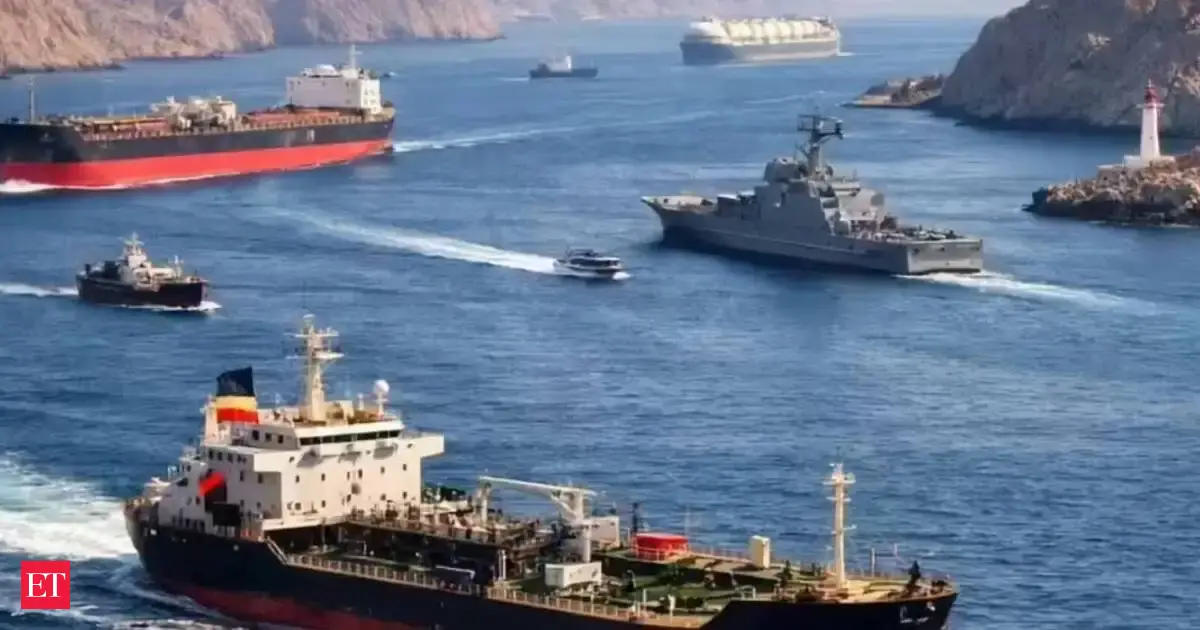
representational
image
Pakistan
on
Tuesday
(June
10)
announced
its
federal
budget
for
fiscal
year
2025-26
with
a
total
outlay
of
Pakistan
rupees
(PKR)
7.57
trillion
($62
billion),
an
overall
decrease
in
spending
by
7%,
but
hiked
the
defence
expenditure
by
20%
following
a
recent
military
conflict
with
India
during
Operation
Sindoor.
Finance
Minister
Muhammad
Aurangzeb
presented
a
budget
that
allocated
PKR
2.55
trillion
($9
billion)
for
defence
spending
in
FY26,
compared
to
PKR
2.12
trillion
in
the
fiscal
year
ending
this
month.
So,
what
is
paradoxical
about
this
development?
This
significant
increase,
the
highest
in
recent
years,
comes
at
a
time
when
the
country
is
grappling
with
its
highest-ever
public
debt,
raising
concerns
about
the
utilisation
of
international
aid.
Pakistan’s
poverty
situation
has
gone
from
bad
to
worse.
The
World
Bank
in
its
latest
report
classified
16.5%
of
Pakistanis
living
in
extreme
poverty.
The
World
Bank’s
latest
projections
indicate
that
Pakistan’s
poverty
rate
remains
as
high
as
42.4
per
cent.
An
estimated
number
of
1.9
million
additional
people
fell
into
poverty
in
2024-25.
Pakistan’s
inflation
rate
is
pegged
at
a
staggering
24.8%.
But
instead
of
alleviating
the
lives
of
its
people,
the
Pakistan
government
is
busy
turning
its
country
into
a
security
state
by
arming
its
military
to
the
teeth
to
show
aggression
towards
India.
Islamabad
is
vigorously
pursuing
an
ambitious
naval
expansion.
With
a
goal
to
grow
its
fleet
to
50
ships,
including
cutting-edge
submarines
and
frigates,
the
Pakistan
Navy’s
expansion
stands
in
stark
contrast
to
the
nation’s
deteriorating
socio-economic
conditions.
Pakistan’s
narratives
around
its
naval
expansion,
particularly
when
viewed
in
the
context
of
the
country’s
economic
and
political
realities,
are
widely
considered
overly
ambitious
and
unrealistic.
The
Pakistan
Navy
has
stated
goals
of
modernisation
and
increased
naval
presence
in
the
Indian
Ocean
Region
(IOR),
but
in
reality
it
is
nowhere
near
its
so-called
expansion
plans.
Pakistan’s
naval
modernisation
efforts
heavily
rely
on
foreign
technology,
particularly
from
China.
This
dependence
raises
questions
about
the
long-term
sustainability
of
Pakistan’s
naval
ambitions
and
its
ability
to
maintain
and
upgrade
these
advanced
platforms.
The
reliance
on
foreign
assistance
also
limits
Pakistan’s
ability
to
independently
project
naval
power.
Pakistan’s
naval
infrastructure
is
underfunded
and
underdeveloped,
with
concerns
about
the
operational
readiness
of
the
fleet.
The
country
has
been
using
manipulated
images
to
falsely
claim
fleet
deployments,
raising
further
doubts
about
the
reliability
of
its
narratives.
Moreover,
the
Pakistan
Navy,
the
smallest
of
its
three
services,
has
been
constrained
by
limited
funds.
Being
larger
than
the
Navy
and
Air
Force
put
together,
the
Pakistan
Army
receives
the
maximum
share
of
defence
expenditure,
followed
by
the
Air
Force
and
the
lowest
allocation
has
been
for
the
navy.
Since
2019,
the
Pakistani
Army
has
been
getting
47.5%,
Air
Force
21.3%,
Navy
10.8%
and
inter-services
organisations
20.3%
of
the
allocation.
A
decline
in
naval
investment
could
impact
Pakistan’s
ability
to
project
power,
deter
threats,
and
protect
its
maritime
interests.
After
all,
fighting
does
not
depend
only
on
the
military;
it
needs
a
solid
economic
base.
One
cannot
fight
with
imported
military
hardware,
as
its
availability
is
not
guaranteed.
Such
supplies
can
dry
out
anytime
if
the
understanding
between
the
countries
gets
disturbed
on
any
political
or
economic
issue.
Besides,
it
requires
a
huge
financial
outflow,
which
Pakistan
cannot
sustain.
Moreover,
due
to
the
very
limited
naval
capacity
of
the
Pakistan
Navy,
it
will
not
be
able
to
keep
the
logistic
line
open,
which
has
been
amply
amplified
in
1971
and
subsequent
operations.
At
the
same
time,
Pakistan,
in
its
present
financial
and
political
condition,
will
not,
for
a
considerable
time
in
future,
be
able
to
form
its
indigenous
base.
Its
import
system
by
land,
water,
and
air
can
easily
be
blocked.
There
is
the
problem
of
unreliable
allies
as
well.
No
alliance
in
the
world
is
permanent.
All
of
these
are
politically
based.
Each
partner
is
basically
trying
to
get
its
own
pound
of
flesh.
It
can
be
commented
with
conviction
that
China,
presently
Islamabad’s
closest
international
ally,
is
very
unlikely
to
confront
India
directly
for
the
sake
of
Pakistan.
It
may
play
brinkmanship
but
is
unlikely
to
get
physically
involved,
defence
analysts
have
said.
This
isn’t
just
conjecture.
There
is
evidence
of
such
behaviour
from
Beijing’s
side.
In
1971,
the
Headquarters
of
General
Yahyah
Khan,
President
of
Pakistan,
repeatedly
assured
Lt
Gen
A
A
K
Niazi,
commander
of
the
East
Pakistan
Army,
that
China
would
mobilise
its
army
any
time,
but
it
never
came.
Its
support
was
primarily
diplomatic.
China
may
never
like
to
physically
get
involved
against
India
and
lose
a
market
in
India,
a
country
of
140
crore
population,
that
too
for
Pakistan,
a
dying
state.
There
is
no
match.
It
is
also
well-known
that
Pakistan
armed
forces
have
a
history
of
using
“obsolete” Chinese
and
North
Korean
defence
equipment
and
technology,
which
makes
it
much
inferior
to
India.
Most
of
the
Equipment
developed
by
these
two
countries
is
low-cost
or
cheap
and
hence
a
crude
technology.
Most
equipment
is
also
heavy
and
hence
less
portable
and
difficult
to
manoeuvre.
They
lack
originality
and
try
to
make
a
copy
of
western
technology.
Moreover,
they
use
equipment
supplied
to
Pakistan
as
a
test
bed,
sometimes
even
obsolete
in
their
own
country.