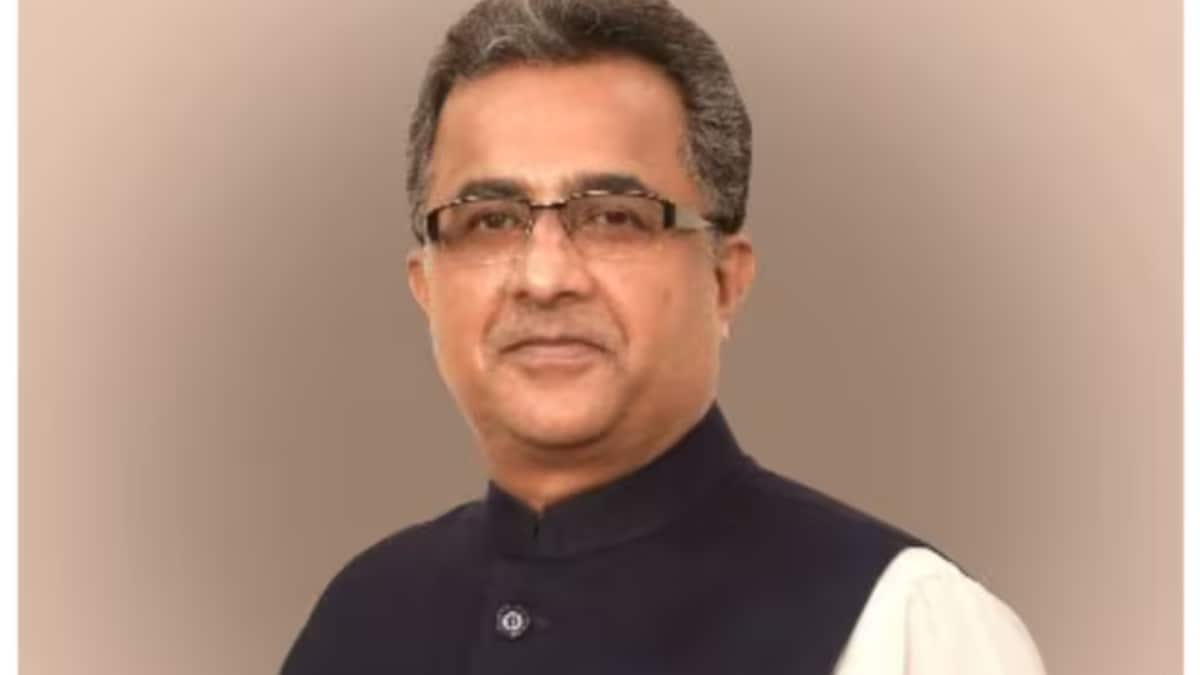
















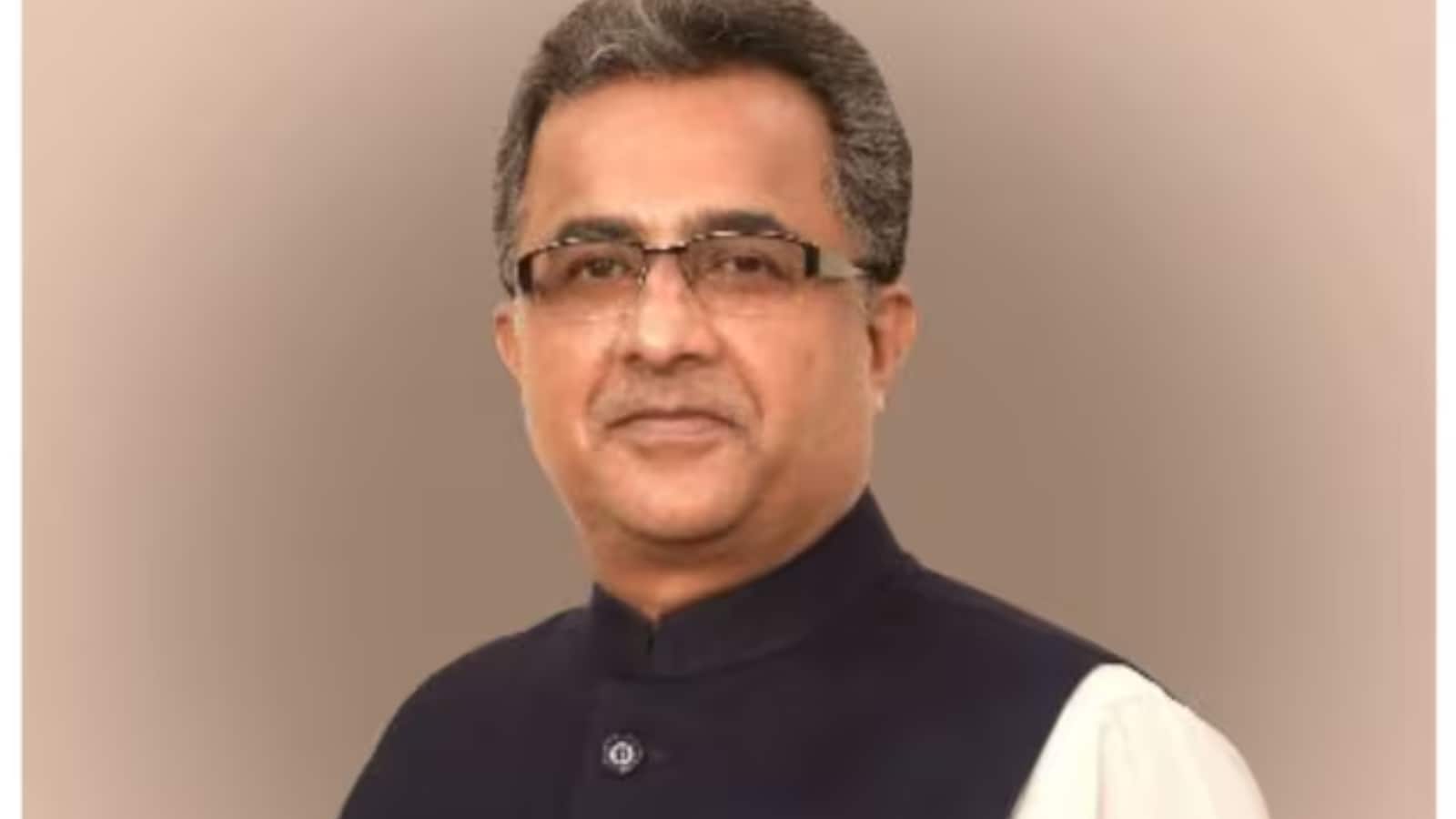
When discussions around Bihar politics arise, the conversation often revolves around caste dynamics, grassroots influence, and strong political networks. Yet among the leaders in the current Bihar government is a minister whose academic background stands out even in national political circles. That leader is Nitish Mishra, the BJP MLA from Jhanjharpur, whose educational journey stretches from Patna and Delhi to England, the Netherlands, and even Harvard University in the United States. Known for blending politics with policy-driven governance, Nitish Mishra has often been described as one of Bihar’s most academically accomplished ministers.
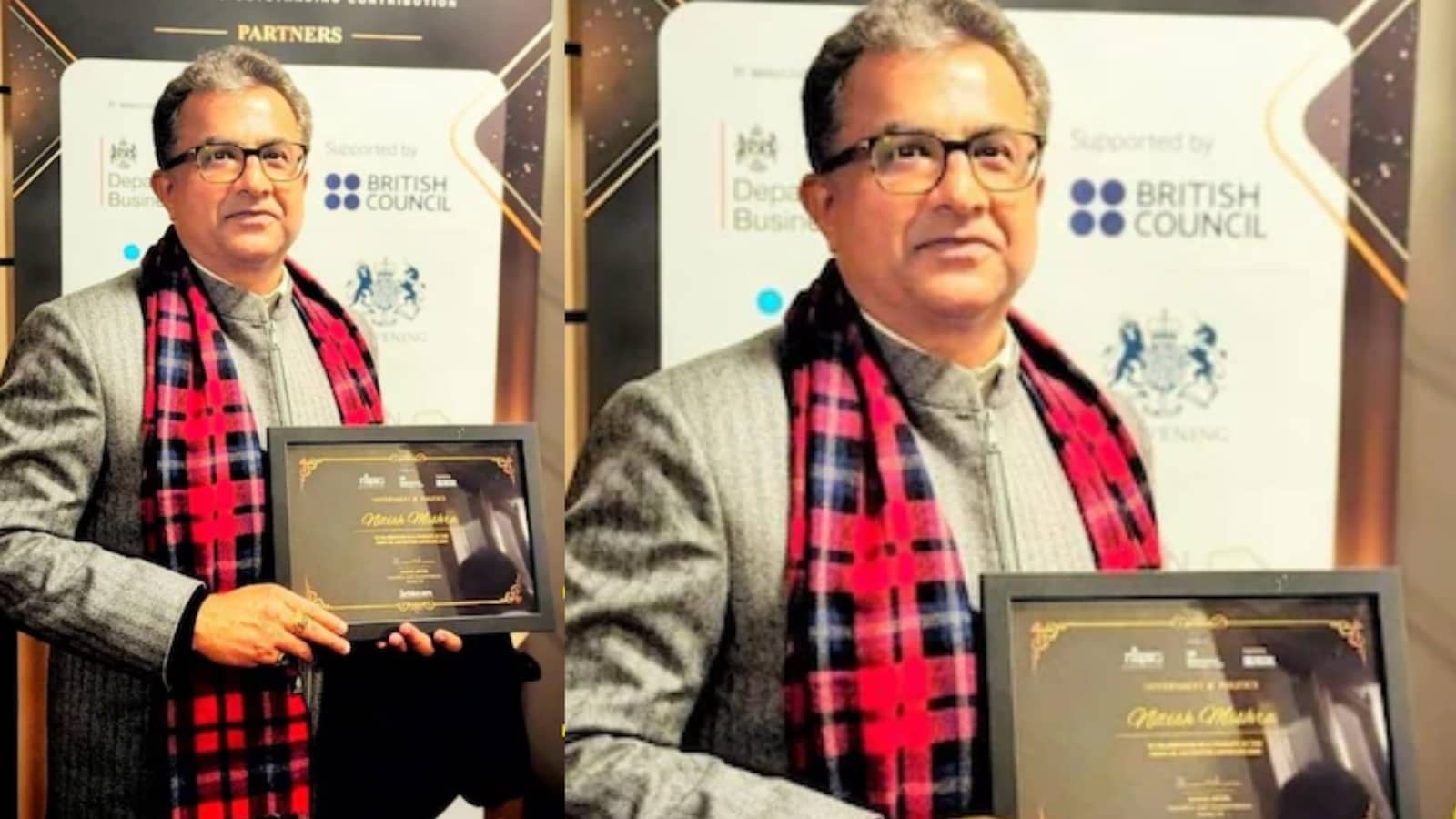
Nitish Mishra began his education at St Michael’s High School, one of Patna’s well-known educational institutions, where he also served as the school captain. After completing school, he moved to New Delhi for higher studies and graduated in 1994 with a Bachelor of Arts (Honours) degree in History from Zakir Husain Delhi College. During his college years, he earned recognition for academic excellence and received the institution’s ‘Academic Excellence’ Crest Award for outstanding performance. His academic pursuits did not end with graduation. Nitish Mishra later pursued management studies and obtained an MBA through FORE School of Management along with the Maastricht School of Management. His international academic exposure expanded further when he was selected as a prestigious British Chevening Scholar. Under the programme, he completed a postgraduate diploma in Global Political Economy from the University of Hull. In 2016, Nitish Mishra attended the ‘Emerging Leaders Program’ at the Harvard Kennedy School, further strengthening his global academic profile. Political observers often point out that very few ministers in Bihar possess such a broad international educational background spanning multiple countries and disciplines.
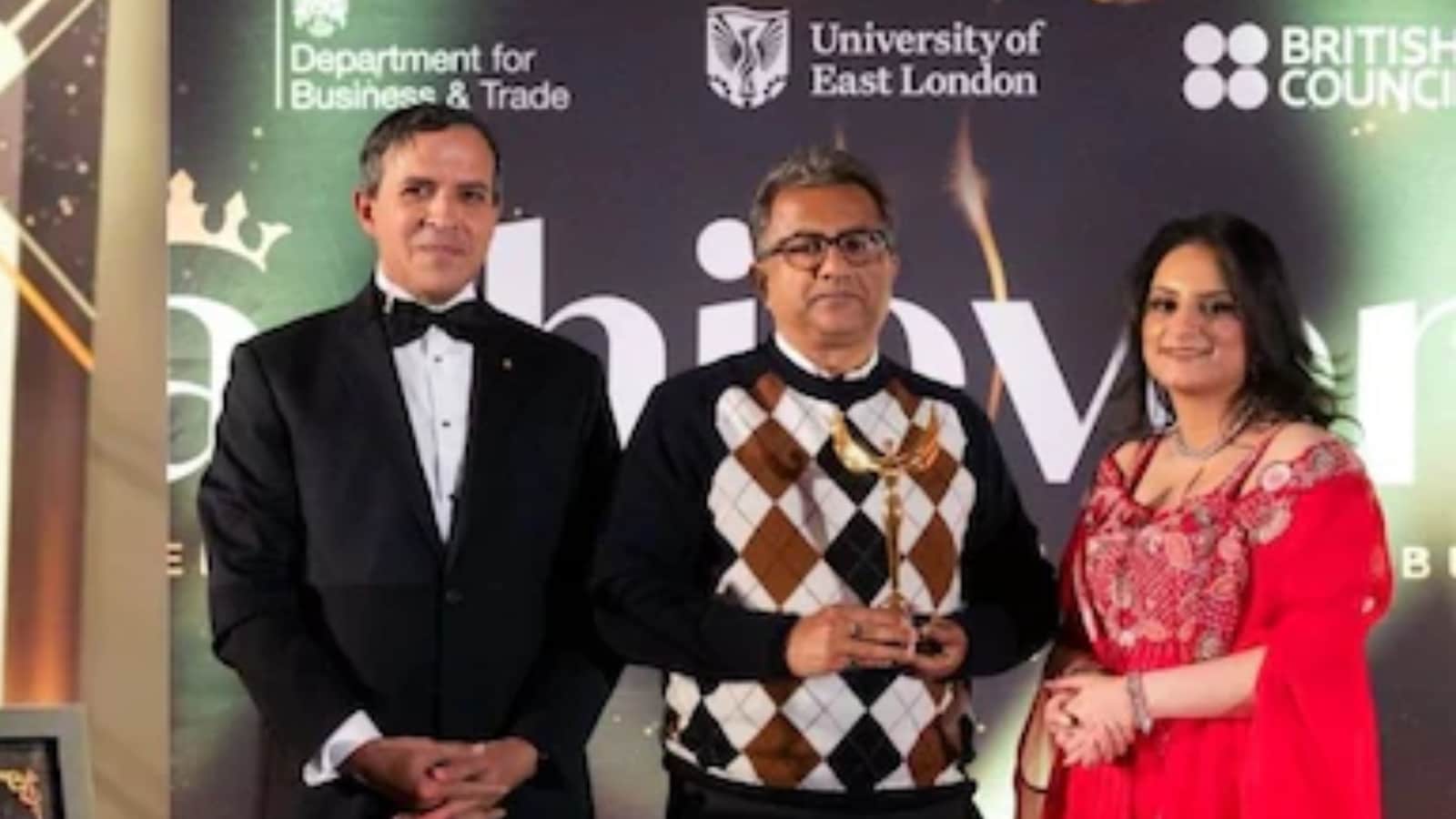
Nitish Mishra also comes from one of Bihar’s most prominent political families. He is the son of Jagannath Mishra, who served as Bihar’s Chief Minister three times. His uncle, Lalit Narayan Mishra, was a senior national leader and served as India’s Railway Minister. Despite belonging to an influential political family, Nitish Mishra has built an independent identity as a policy-oriented and educated political figure rather than relying solely on legacy politics. Apart from his political career, Mishra has also received recognition at the national level for youth leadership and public influence. In 2008, he was honoured as an ‘MTV Youth Icon’ and was also listed among India’s 30 most influential young leaders by the British High Commission. These recognitions further enhanced his image as a modern and reform-oriented politician.
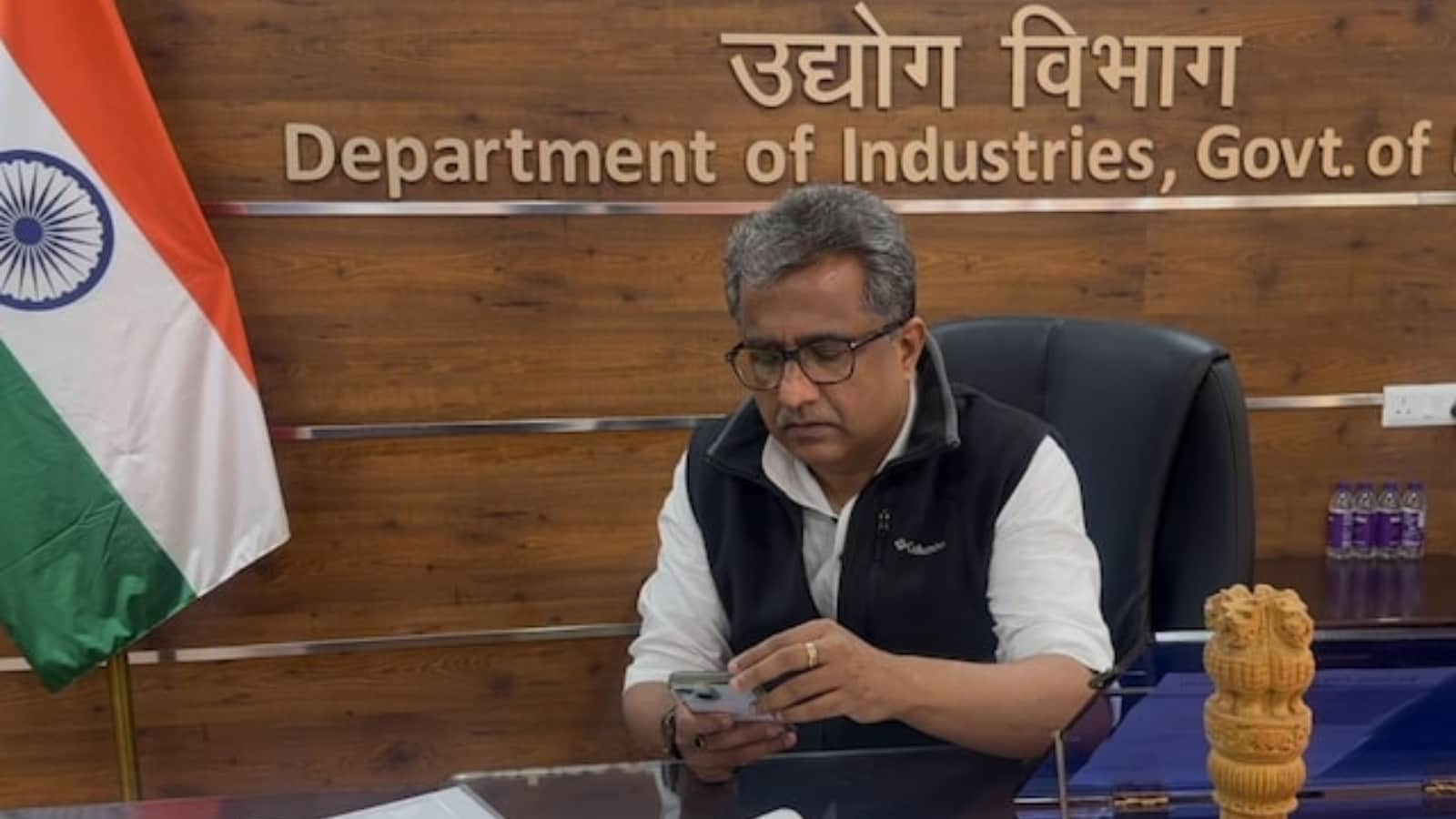
Over the years, Nitish Mishra has attempted to apply his academic and management training to governance and policy implementation in Bihar. During his earlier tenure as Industries Minister, he played a role in initiatives related to Bihar’s Land Bank system and the state’s Ethanol Policy, both of which were viewed as significant administrative and industrial reforms. Supporters often cite these projects as examples of his technocratic and management-driven approach to politics.
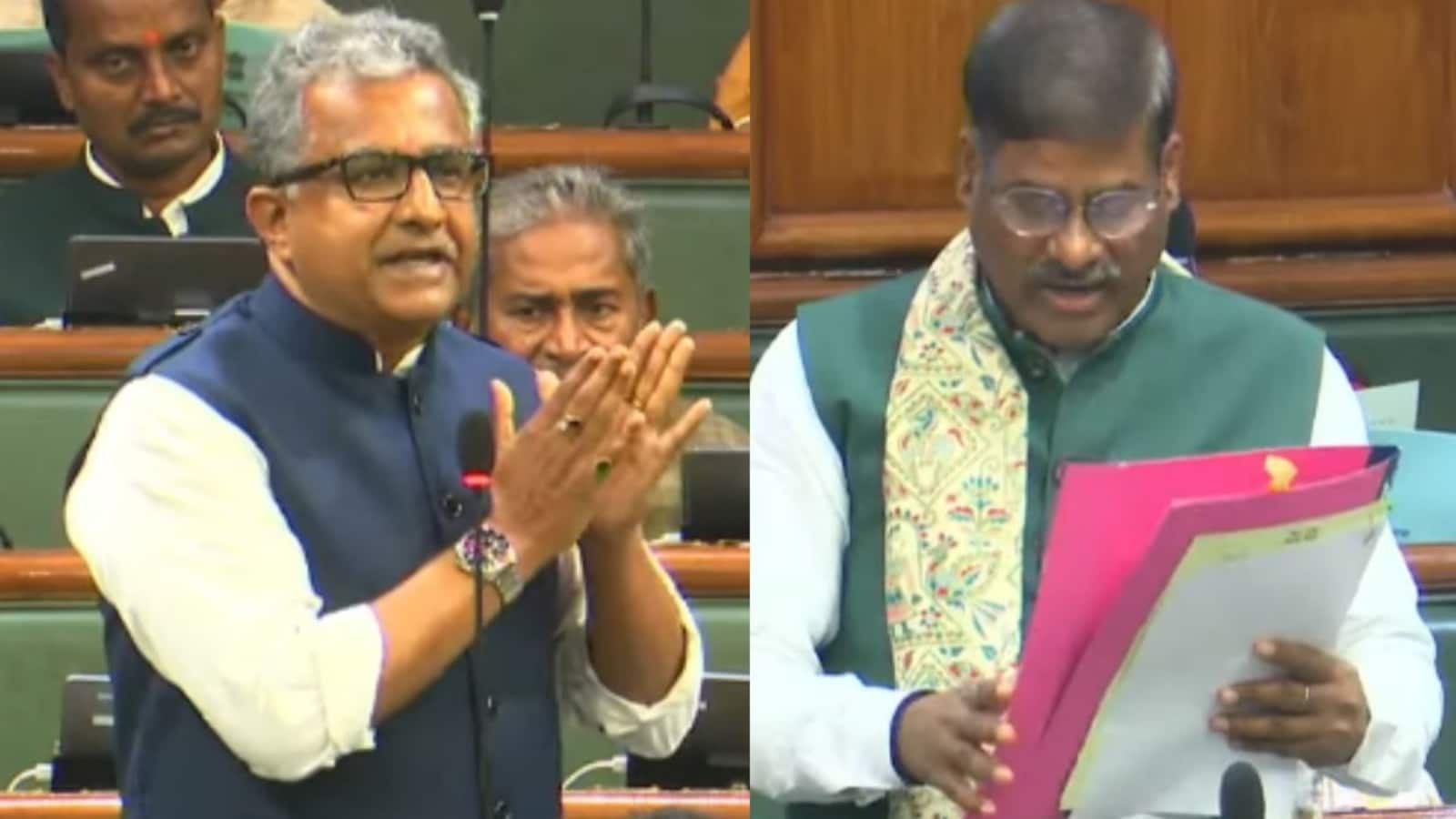
Nitish Mishra has now been elected MLA from Jhanjharpur for the fifth time, reflecting his strong political presence in the region. Over a political journey spanning nearly three decades, he has been associated with parties including JD(U) and HAM before eventually aligning firmly with the BJP. In the current Bihar government led by Deputy Chief Minister Samrat Choudhary, Mishra has been entrusted with important portfolios such as Tourism and Industrial Development. Political observers and supporters believe his international exposure and administrative experience could help Bihar attract greater investment opportunities and strengthen its tourism sector. Originally belonging to Darbhanga and later settled in Supaul, Nitish Mishra continues to remain one of the more high-profile faces in Bihar politics. With a combination of political legacy, academic credentials, and administrative experience, many in the state view him as a leader capable of bringing a more policy-focused and globally aware approach to governance.