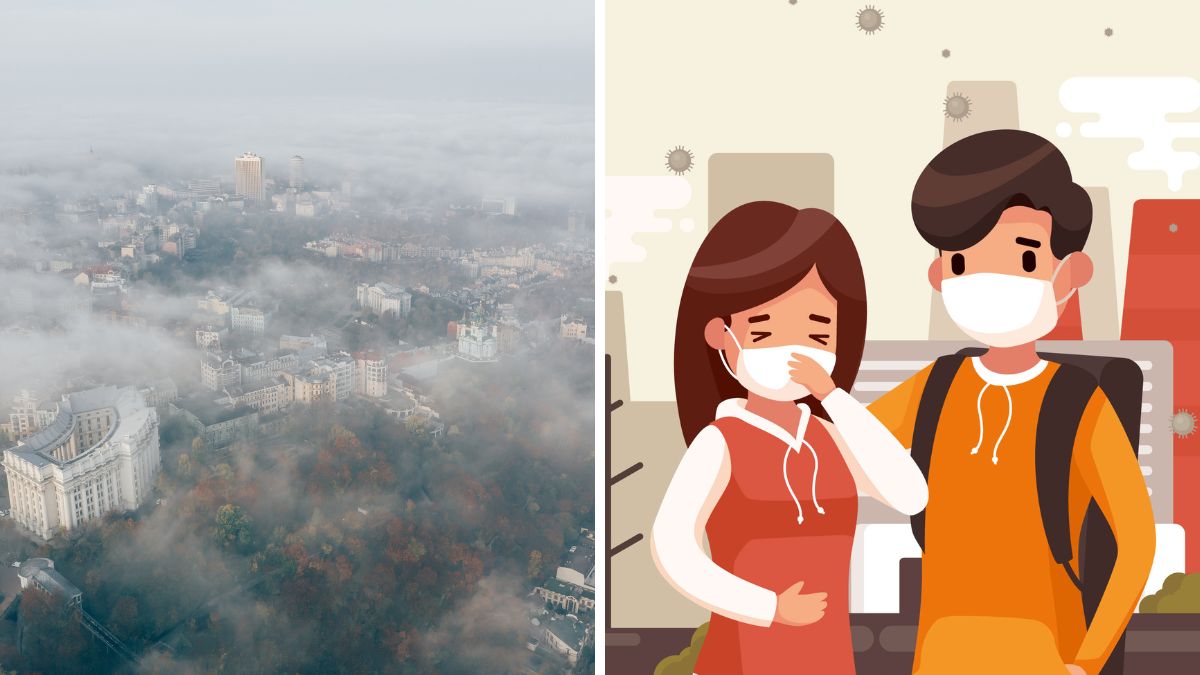





















Delhi’s air pollution is silently damaging more than just your lungs. Dr Vinit Banga explains how toxic air affects your heart, brain, and other organs, and the urgent steps you can take to protect yourself.
Delhi’s infamous air pollution is no longer a seasonal problem that comes and goes with winter. It has evolved into a year-round public health emergency, one that quietly gnaws away at nearly every organ in the body. To understand how deep this damage runs, we reached out to Dr Vinit Banga, Director – Neurology, Fortis Hospital, Faridabad, who explained why the city’s smog is much more dangerous than most people realise.
“Delhi’s infamous air pollution is not just a seasonal inconvenience; it’s a chronic public health crisis that is silently wreaking havoc on the human body,” says Dr Banga. “While most discussions focus on the respiratory impacts, coughing, asthma, or breathlessness, the damage goes far deeper, affecting multiple organs over time.”
More than bad air, it’s a toxic cocktail for your body
Delhi frequently records Air Quality Index (AQI) levels several times over the “hazardous” limit, with fine particulate matter (PM2.5 and PM10) concentrations many folds higher than WHO’s safe range. These microscopic pollutants don’t stop at the lungs.
“These sub-micrometer particles travel deep into the lungs, get into the bloodstream, and initiate systemic inflammation,” explains Dr. Banga.
Once inside the blood, these toxins trigger oxidative stress, a biological chain reaction that can lead to hardened arteries, heart disease, and even stroke. Research published in The Lancet Planetary Health also confirms that long-term exposure to PM2.5 can increase the risk of hypertension and cardiovascular deaths.
Even organs like the liver and kidneys are not spared. The body’s natural filters end up overworked, trying to cleanse the constant load of microscopic toxins in circulation.
Air pollution and the brain: the invisible connection
The most unsettling research of recent years points toward air pollution’s effect on the brain. According to Dr Banga, the fine particles that reach the bloodstream can cross the blood–brain barrier, the brain’s natural defense wall.
“There is increasing evidence linking air pollution to neurological diseases,” says Dr Banga. “Studies show a connection between elevated levels of pollution and loss of cognitive function, depression, and even Alzheimer’s.”
For children, the consequences are even more tragic. Constant exposure from birth affects lung development, brain growth, and immunity, putting an entire generation at risk of chronic illness before adulthood.
The danger lies in its silence
Unlike acute illnesses that announce themselves with pain or fever, pollution-related diseases build slowly. Dr Banga calls it “a quiet assault”; damage accumulates invisibly, year after year, until it surfaces as heart disease, hypertension, or memory loss.
“Sadly, the quietness of this threat is such that most people continue to downplay its force. Internal, long-term damage from toxic air can remain unseen for years before materialising into full-blown disease,” he warns.
What you can do right now
While policy-level change is crucial, stricter industrial checks, better waste management, and sustainable transport, personal protection is immediate armour.
Dr Banga advises:
- Wear N95 masks when stepping outdoors, especially during early mornings and late evenings when pollution peaks.
- Use air purifiers at home, particularly in bedrooms where you spend long hours.
- Keep indoor plants like Areca Palm and Snake Plant for natural air filtering.
- Avoid outdoor exercise on high-AQI days, opt for indoor workouts.
Until Delhi’s air truly clears, protecting yourself is a form of resistance. The smog might not feel like an emergency today, but your organs remember every breath.
Also read: Delhi air quality worsens as AQI dips to ‘very poor’ category in some areas | Details
Disclaimer: (The tips suggested in this article are for general information only. Consult your doctor before starting any fitness program, making any changes to your diet, or taking any measures for any disease. India TV does not confirm the authenticity of any claims.)