













![JMA – Ninja & Deep Jandu [Official MV] Kaptaan](https://i.ytimg.com/vi/-dsfIh319s0/maxresdefault.jpg "JMA – Ninja & Deep Jandu [Official MV] Kaptaan")






Last Updated:
The expression is often invoked when discussing Nepal’s political upheavals, misfortunes and periods of instability, linking the country’s troubles to a curse.




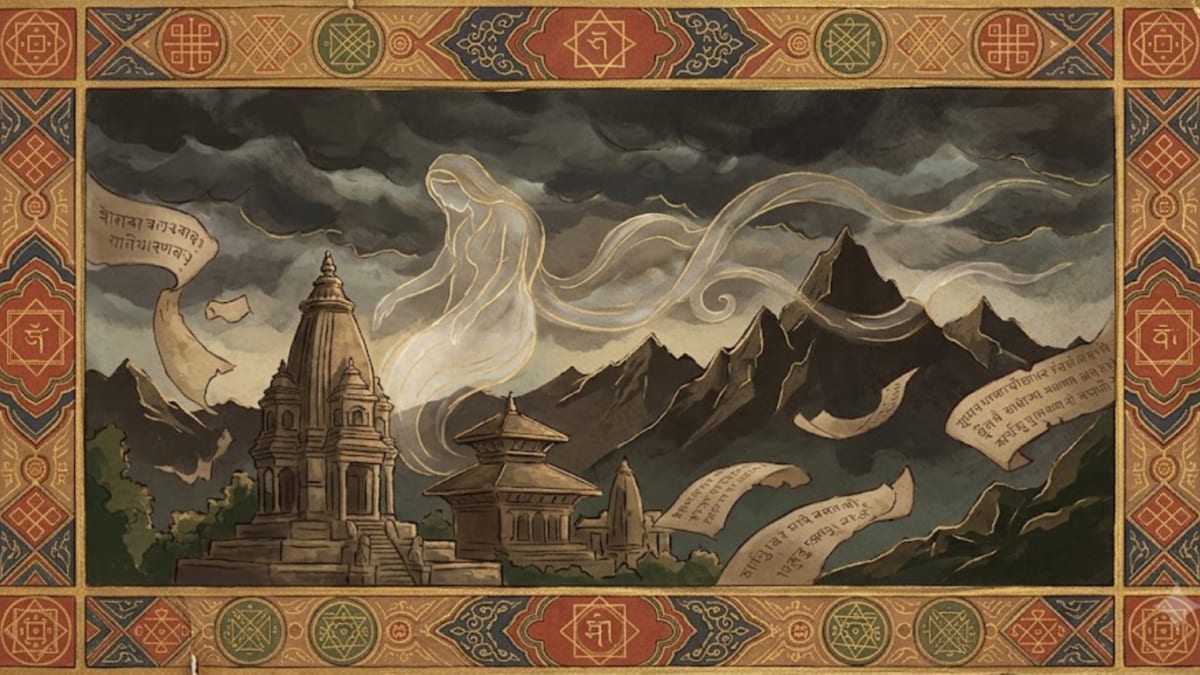
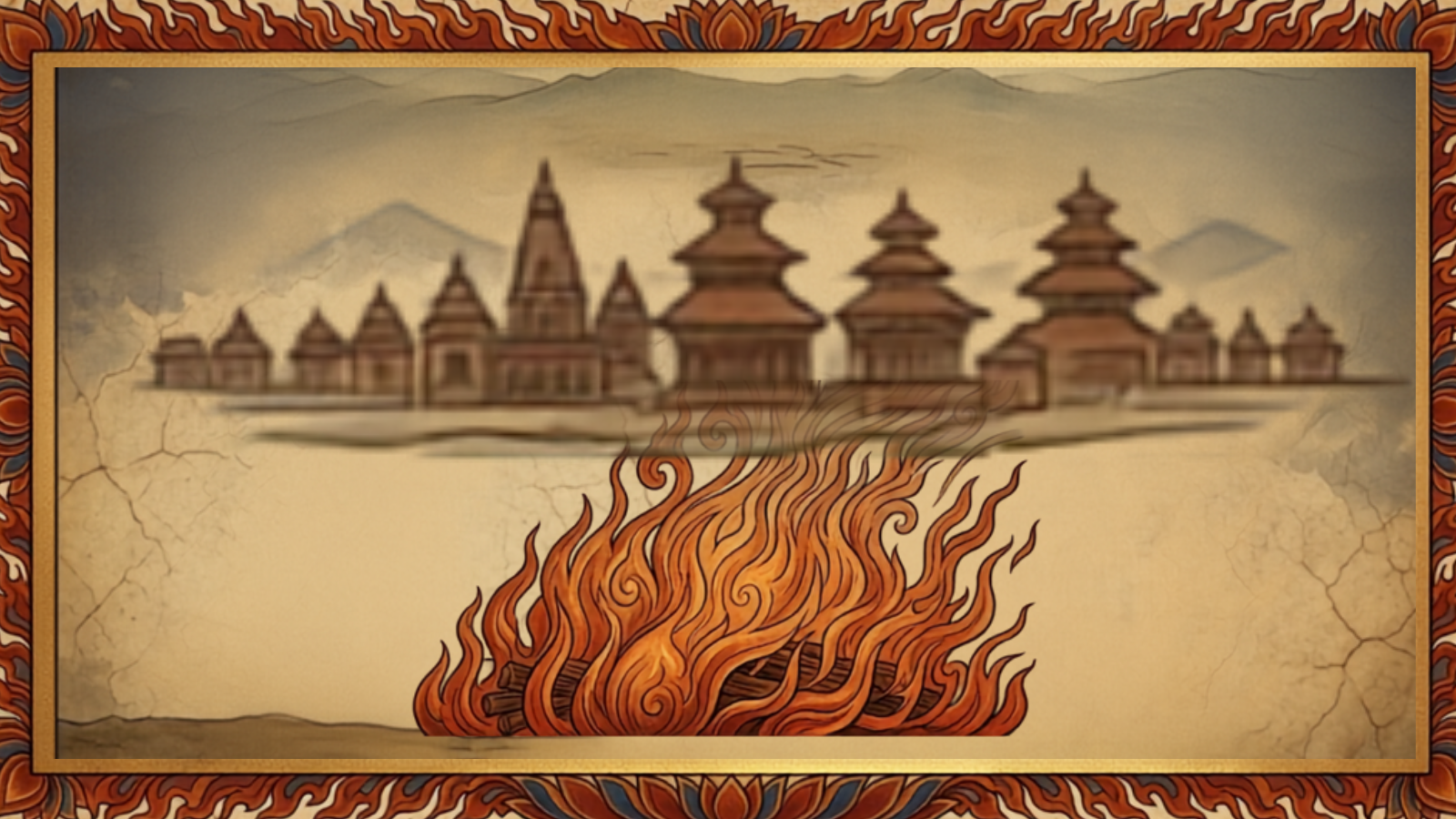
Historians and cultural scholars who work with Nepali oral traditions generally treat the story as legend rather than verified chronicle. (AI generated image)
For centuries, a haunting phrase has lingered in Nepal’s cultural memory: Sati Le Sarapeko Desh, or the land cursed by Sati. The expression is often invoked when discussing Nepal’s political upheavals, misfortunes and periods of instability, linking the country’s troubles to an alleged curse pronounced by a grieving woman centuries ago.
At the heart of this folklore is the tragic story of Bhim Malla, a powerful statesman in the Kathmandu Valley, and his wife, Bhuvan Laxmi. While the supernatural element belongs to legend rather than established history, the story has endured because it sits at the intersection of royal intrigue, religious belief, grief and Nepal’s complex social history.
The Bhim Malla Legend
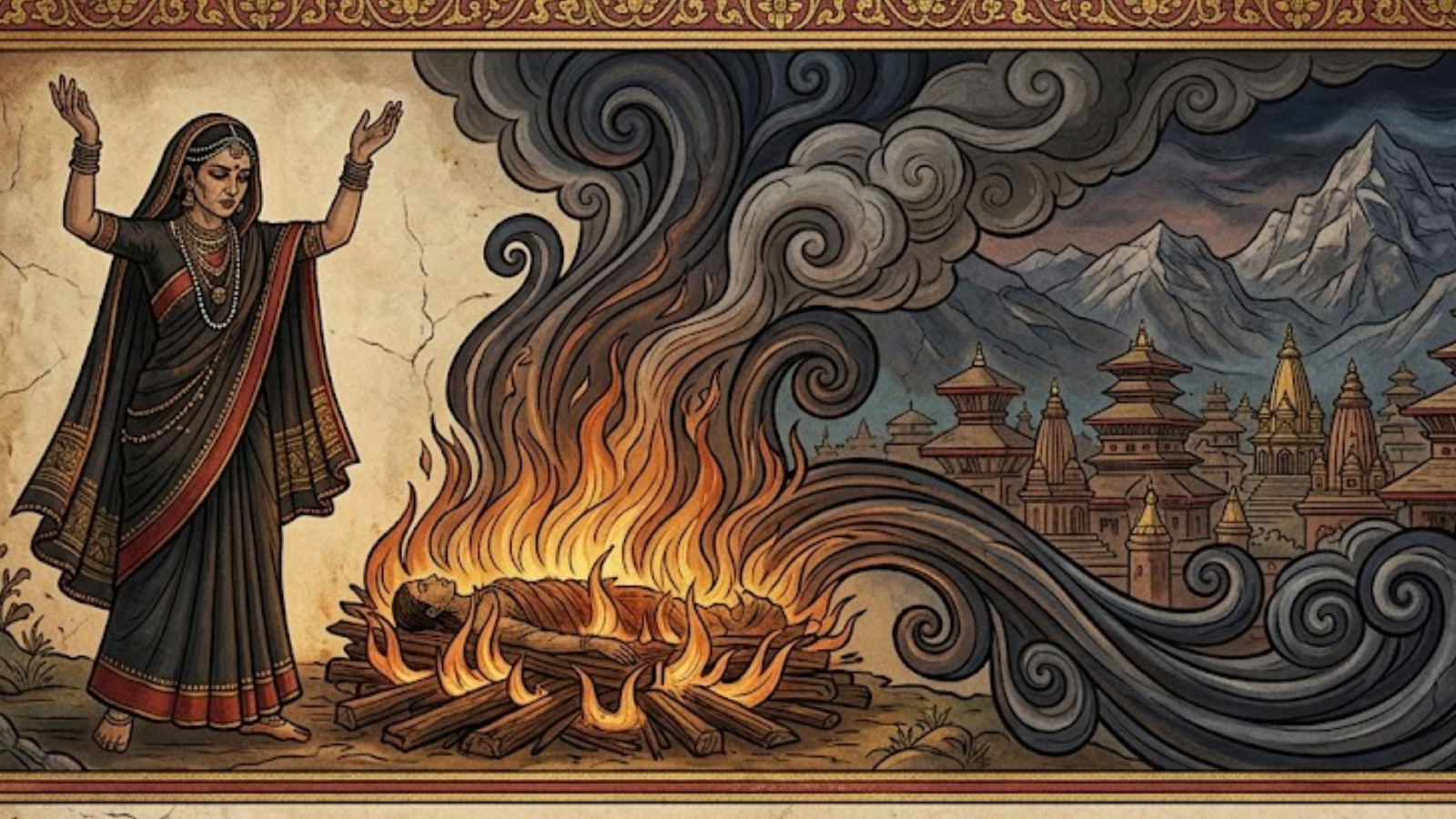
The story dates back to the Malla period, when Kathmandu Valley was divided among powerful kingdoms. Bhim Malla served as an influential court official under King Laxmi Narsingh Malla and is remembered in historical accounts for his role in strengthening Nepal’s trade and diplomatic links with Tibet.
A historical account published by Pahar records Bhim Malla as an important figure in then Nepal’s relations with Tibet, particularly in developing commercial connections. Yet his growing influence allegedly created enemies within the royal court.
According to the mythological account, rivals portrayed Bhim Malla as a threat to the king. Kaji Bhim Malla served as a senior court official under King Laxmi Narasimha Malla. He was known for his administrative skill and for managing trade relations with Tibet. His rising influence, however, stirred jealousy among rivals at court. Accusations of conspiracy against the throne were levelled against him. In the version most commonly told, the charges were false, yet Bhim Malla was arrested and executed.
The Curse
The most famous part of the story begins after Bhim Malla’s execution. His wife, remembered in many tellings as Bhuvanlaxmi, was left a widow. At that time the practice of sati still existed in the region: a widow was expected, or in some cases compelled, to immolate herself on her husband’s funeral pyre.
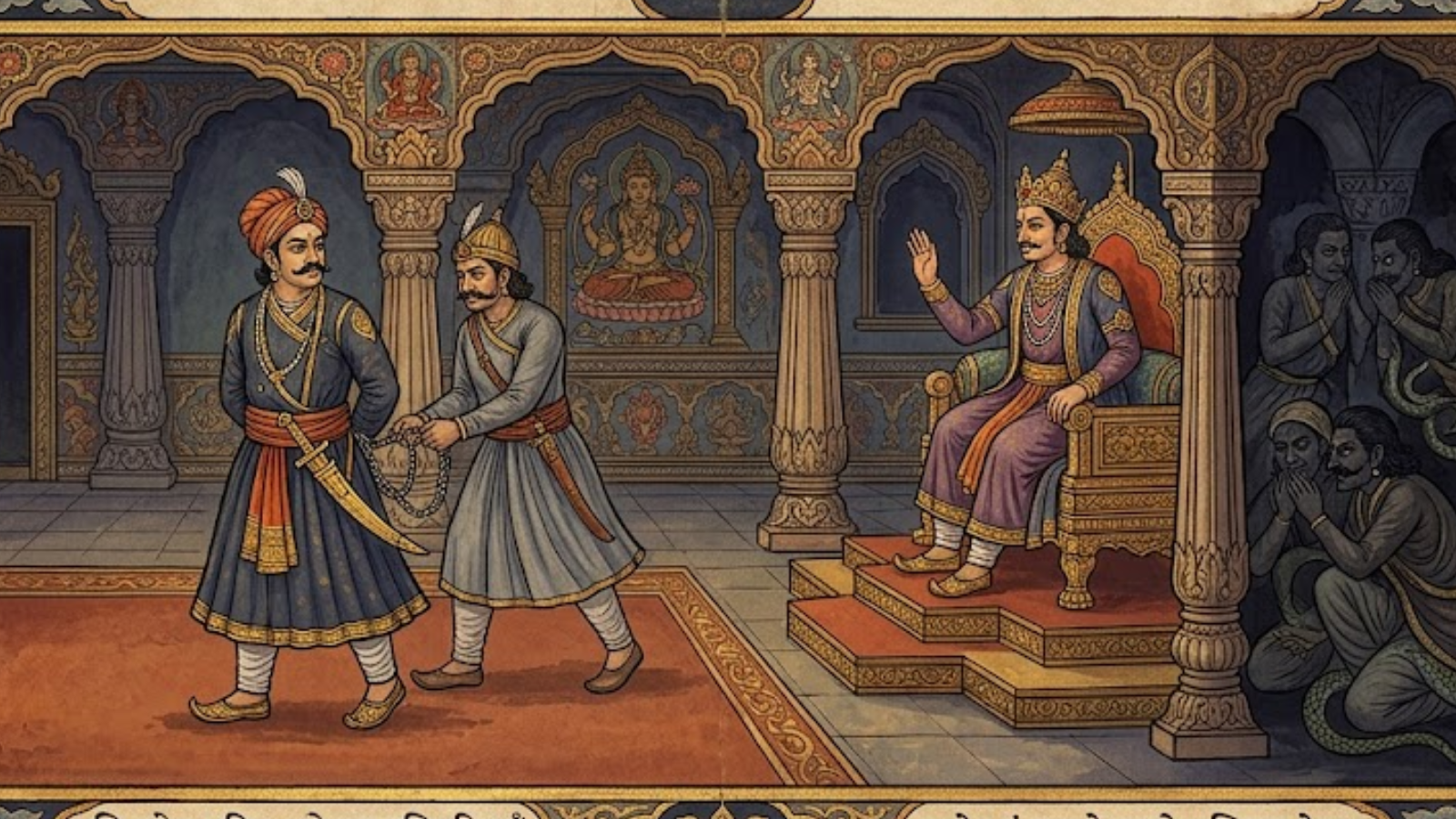
Folklore narratives say that as she prepared to step into the flames, Bhuvanlaxmi did not go silently. She is believed to have cursed the kingdom for the injustice done to her husband, declaring that no lasting good would come to its rulers or its land.
The ‘pronouncement’ became associated with the expression ‘Sati Le Sarapeko Desh’.
A study published in the Journal of NELTA Karnali examines the Bhim Malla-Bhuvan Laxmi narrative as part of Nepal’s literary and cultural tradition, showing how the story has continued to appear in Nepali creative works and popular memory.
From that moment, according to the folklore, the phrase Sati le Sarape ko Desh entered the cultural memory of Nepal. Different versions of the tale exist. Some emphasise the political intrigue of the Malla court; others focus on the helplessness of a woman caught in the machinery of power and custom. In all of them, the act of cursing becomes both a personal cry of grief and a moral judgment on the abuse of authority.
The spiritual weight of the story lies in the figure of the Sati herself. In South Asian tradition, a woman who enters the funeral pyre is sometimes believed to acquire a potent, even sacred, voice at the moment of death. Her words are thought to carry the force of truth spoken at the edge of life.
Is Nepal Actually Cursed?
There is no historical or scientific evidence that Nepal is under a supernatural curse. The phrase is better understood as a cultural metaphor that survived because it provided a powerful explanation for the country’s repeated periods of political uncertainty and hardship.
Historians and cultural scholars who work with Nepali oral traditions generally treat the story as legend rather than verified chronicle. There is no documentary proof that a single curse determined the course of a nation. What the tale does preserve is a memory of how easily power can destroy the loyal, and how the suffering of the powerless can leave a lasting mark on a people’s imagination.
The legend, therefore, says more about how societies remember injustice than about mythological forces controlling a nation’s destiny.
Quick Answers
 Ask News18
The legend originated in the 17th century during the Malla dynasty in the Kathmandu Valley. A powerful court official named Kaji Bhim Malla was executed on unjust charges of treason under King Laxmi Narasimha Malla. Following the execution, Bhim Malla’s wife, often identified as Bhuvanlaxmi, was forced to undergo Sati and immolate herself on her husband’s funeral pyre. Her tragic pronouncement during this act became associated with the curse on the land.
Ask News18About the Author

Our life needs a bit of style to get the perfect zing in the daily routine. News18 Lifestyle is one-stop destination for everything you need to know about the world of fashion, food, health, travel, r…Read More
September 02, 2026, 22:01 IST