













![JMA – Ninja & Deep Jandu [Official MV] Kaptaan](https://i.ytimg.com/vi/-dsfIh319s0/maxresdefault.jpg "JMA – Ninja & Deep Jandu [Official MV] Kaptaan")






Last Updated:
A new Lancet study finds 1 in 8 cancer cases worldwide linked to preventable causes, highlighting the most common types of cancers that are triggered by infections.




An analysis of the study reported that around 1.9 lakh cancer cases in India in 2024 were linked to viral and bacterial infections, representing about 12% of the country’s cancer burden. HPV accounted for more than one lakh cases, while H. pylori was associated with about 47,000 cases.
Cancer risk is usually discussed in terms of tobacco, alcohol, pollution, obesity or genetics. But a new global analysis points to another factor that often receives less attention: infections.
A study published in The Lancet Oncology by researchers from the International Agency for Research on Cancer (IARC), the World Health Organization’s cancer agency, estimates that 2.3 million new cancer cases worldwide in 2024, or about 12% of all new cases, were attributable to infections.
The findings also highlight how vaccination, screening, testing and treatment could help prevent part of this cancer burden.
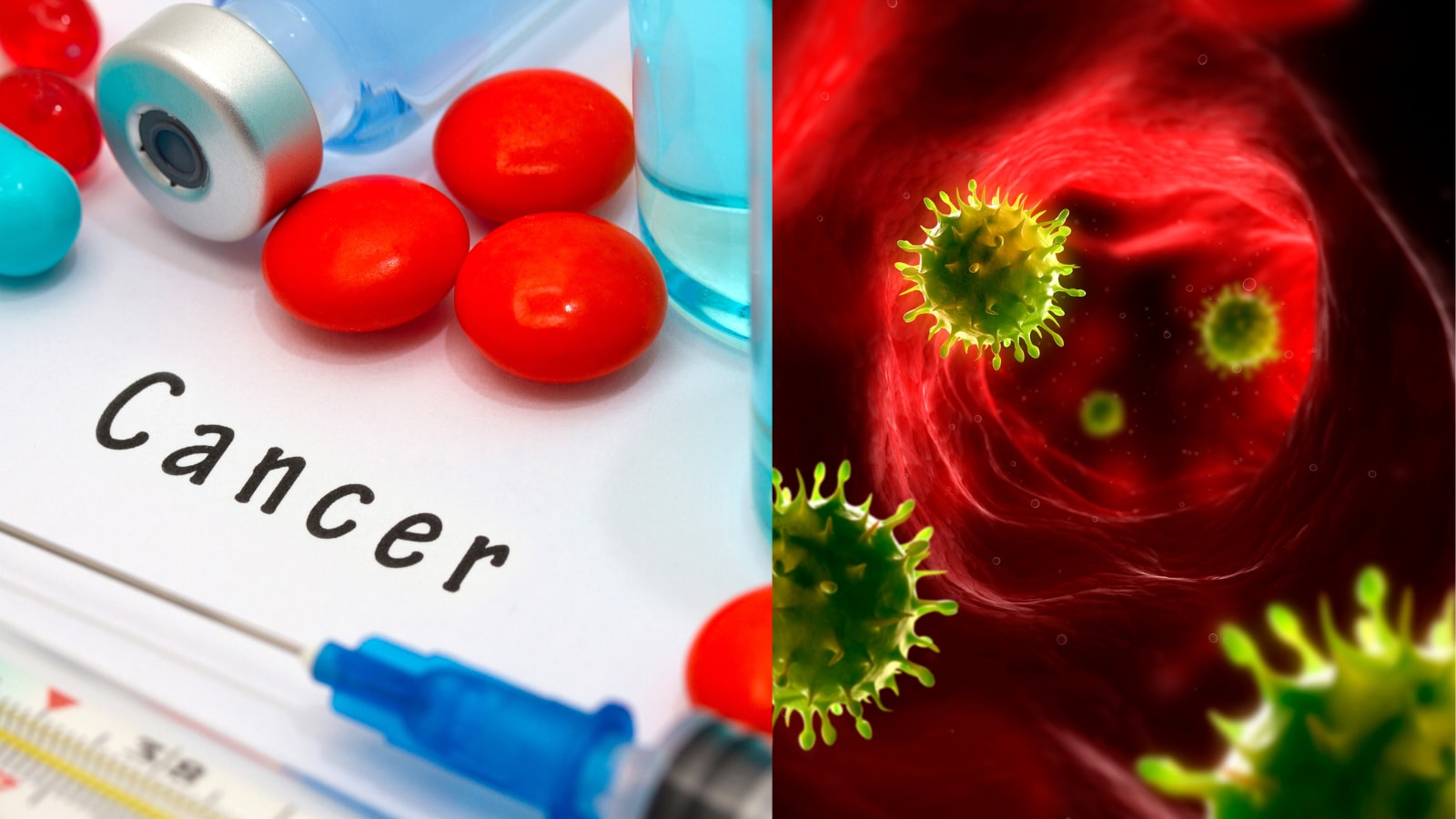
Can An Infection Lead To Cancer?
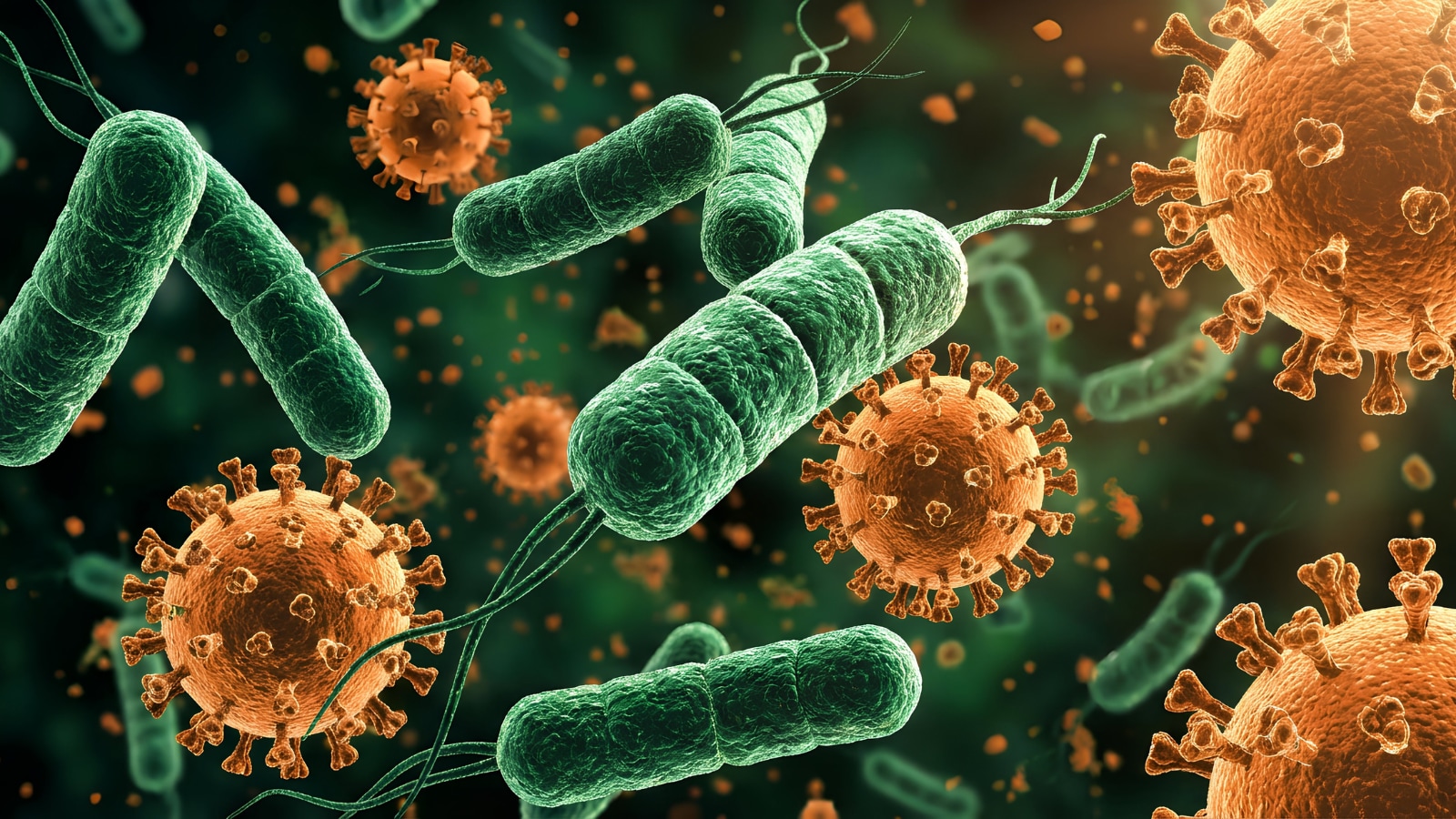
Certain viruses, bacteria and parasites can contribute to cancer through mechanisms including persistent infection, chronic inflammation or changes to cells and their growth. The latest analysis examined 12 infectious agents classified as carcinogenic to humans by IARC and linked them to a range of cancers.
However, having one of these infections does not mean a person will develop cancer. Most people with these infections do not go on to develop cancer, and the study is estimating population-level cancer attributable to infections rather than predicting an individual’s risk.
Which Infections Were Linked To The Most Cancer Cases?
Five infectious agents accounted for a large share of the estimated infection-attributable cancers in 2024.
Helicobacter pylori (H. pylori) was linked to around 760,000 cases, mainly stomach cancers. Human papillomavirus (HPV) followed at about 750,000 cases, predominantly cervical cancer. Hepatitis B virus was linked to approximately 360,000 cases, Epstein-Barr virus to 260,000, and hepatitis C virus to 160,000.
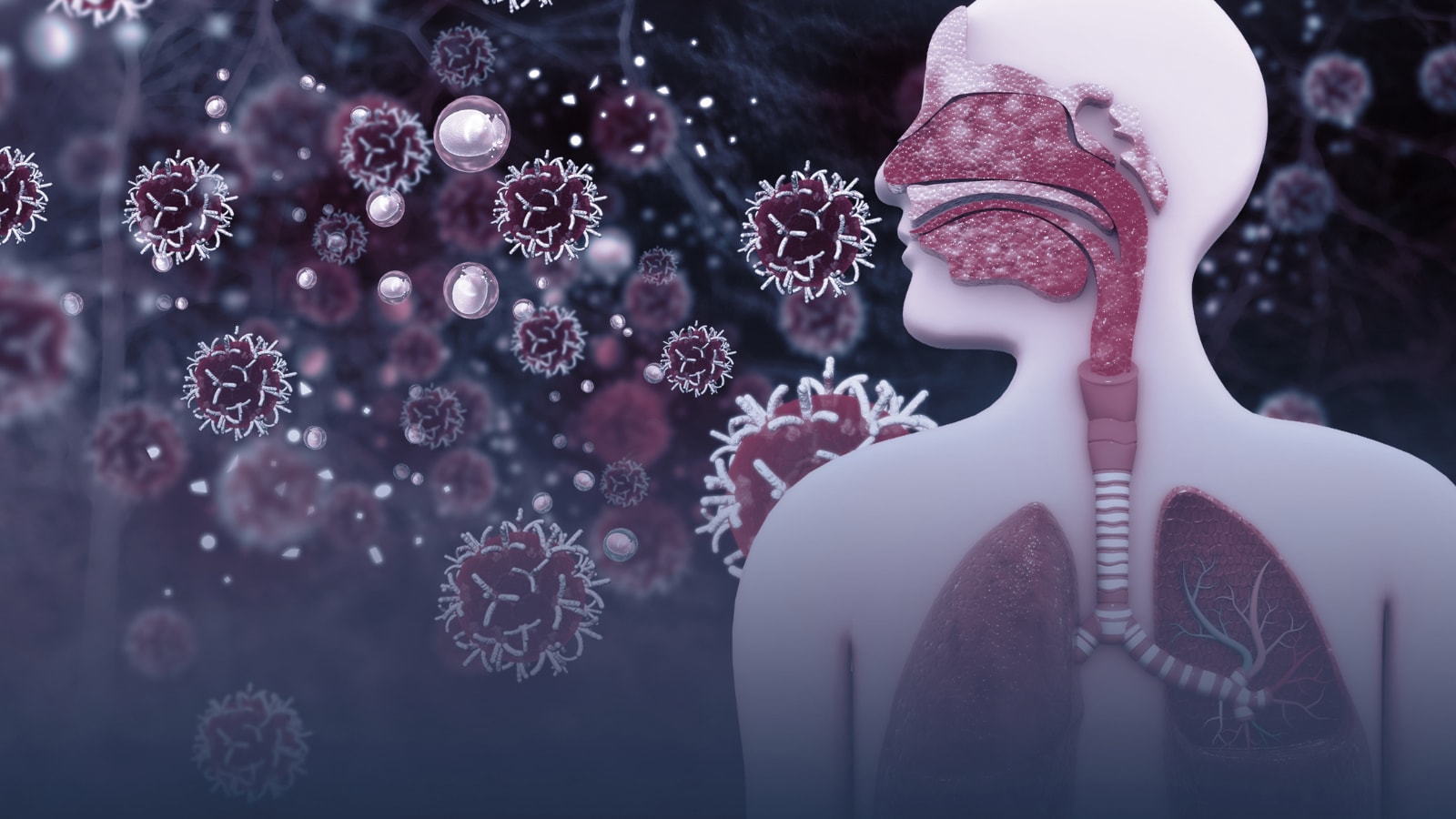
HPV is particularly important because persistent infection with high-risk types is responsible for essentially all cervical cancers, making vaccination and screening major prevention tools.
Does India Also Carry A Significant Cancer Burden?
The findings are relevant to India as well. An analysis of the study reported that around 1.9 lakh cancer cases in India in 2024 were linked to viral and bacterial infections, representing about 12% of the country’s cancer burden. HPV accounted for more than one lakh cases, while H. pylori was associated with about 47,000 cases.
Can Infection-Related Cancers Be Prevented?
This is where the study offers an important public-health opportunity. IARC researchers point to HPV and hepatitis B vaccination, testing and treatment for H. pylori and viral hepatitis, HIV prevention, safe injection practices and screening for HPV-related precancerous lesions as established prevention measures.
Researchers also highlighted the need for new prevention tools, including a potential vaccine against Epstein-Barr virus.
Quick Answers
 Ask News18
A study published in The Lancet Oncology by researchers from the International Agency for Research on Cancer estimates that 2.3 million new cancer cases worldwide in 2024, or about 12% of all new cases, were attributable to infections.
Ask News18About the Author

Our life needs a bit of style to get the perfect zing in the daily routine. News18 Lifestyle is one-stop destination for everything you need to know about the world of fashion, food, health, travel, r…Read More
September 29, 2026, 22:19 IST