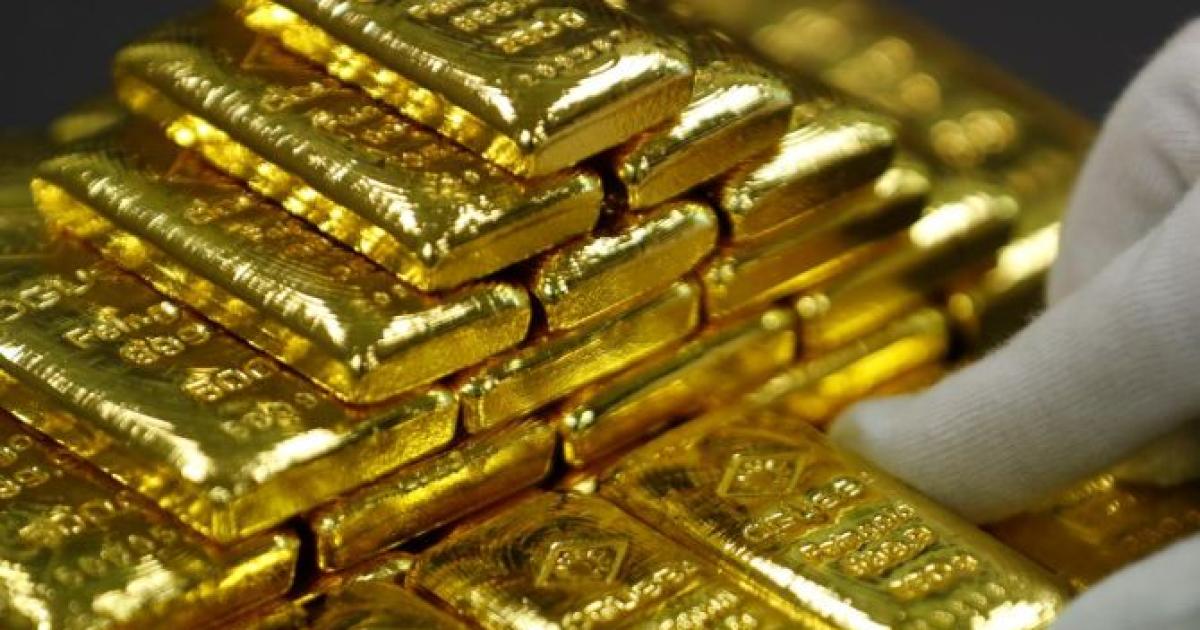




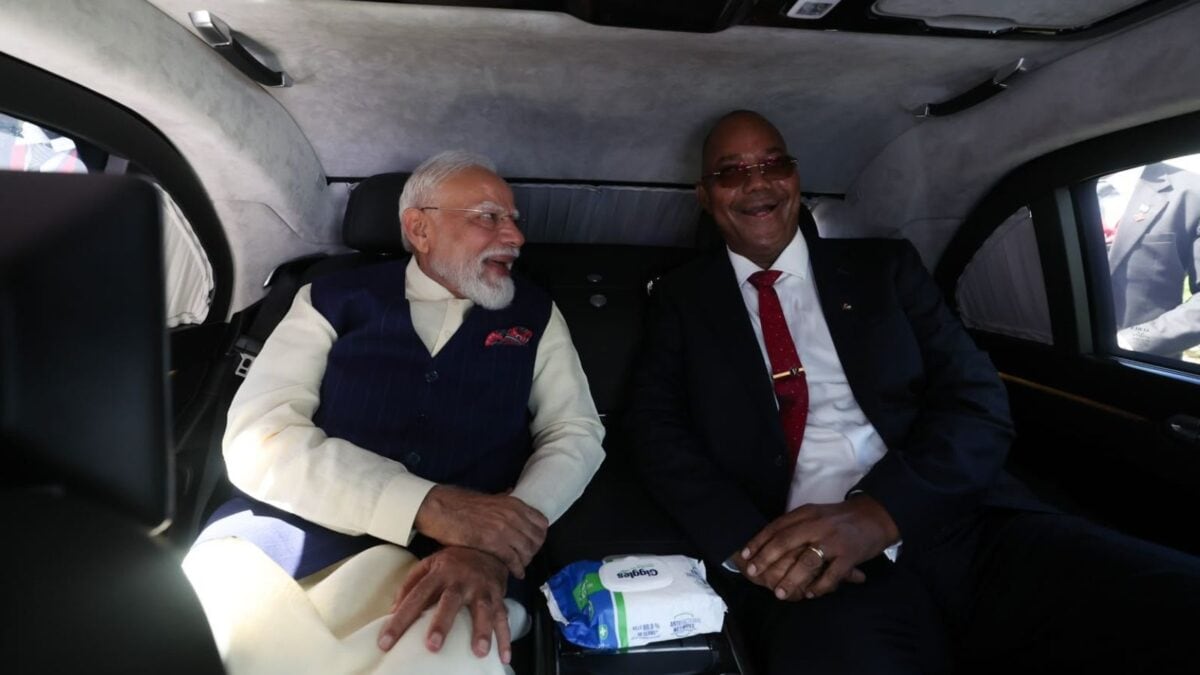















India has implemented a new 100 kg cap on gold imports under the Advance Authorisation scheme, alongside a significant hike in import duties, to curb non-essential imports and address a growing import bill.
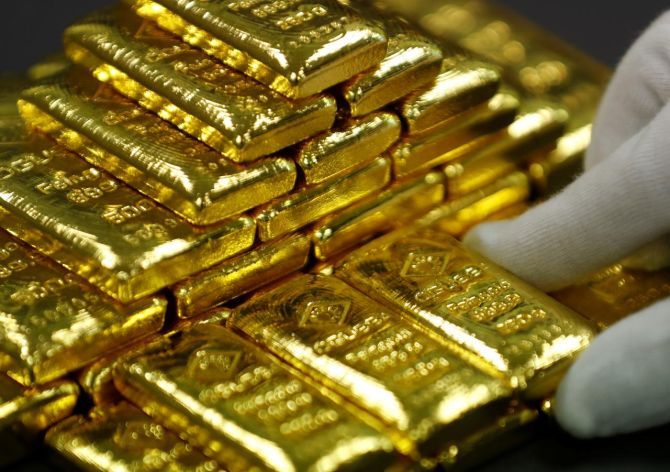
Photograph: Leonhard Foeger/Reuters
Key Points
- India has capped gold imports under the Advance Authorisation scheme at 100 kg, a significant reduction from previous unlimited imports.
- The government has tightened conditions for issuing and monitoring Advance Authorisation for gold, including mandatory physical inspections for first-time applicants.
- Subsequent authorisations require at least 50 per cent export obligation fulfilment and fortnightly performance reports.
- The move follows a sharp increase in import duty on gold and silver to 15 per cent, aimed at discouraging purchases and trimming non-essential imports.
- Gold and silver imports surged by 26.7 per cent to $102.5 billion in FY2025-26, contributing to a substantial outflow of foreign exchange.
A day after significantly increasing the import duty on precious metals, the government on Thursday imposed a limit of 100 kg on gold imports under the Advance Authorisation scheme, which allows jewellery exporters to import raw or input materials at zero duty.
The government has tightened conditions for the issuance and monitoring of advance authorisation for import of gold. Earlier, there was no limit on gold imports under the scheme.
Understanding the Advance Authorisation Scheme
The Advance Authorisation scheme allows the duty-free import of inputs that are incorporated into an export product. In addition to any inputs, packaging material, fuel, oil, and catalyst that are consumed or utilised in the process of production of export product, are also allowed.
“AA for import of gold shall be issued, subject to a maximum remissible quantity of 100 kilograms,” the DGFT said in a public notice.
It added that in case of application for Advance Authorisation by a first-time applicant, a mandatory physical inspection of the applicant’s manufacturing facility will be undertaken to verify the existence, capacity and operational status of the unit.
“Any subsequent AA for the import of gold, shall be considered for issuance only upon fulfilment of at least 50 per cent of the export obligation…,” it said, adding that the AA holder will have to submit a fortnightly performance report, which should be duly certified by an independent chartered accountant certifying gold imports and exports undertaken.
Further, the concerned regional authority of the directorate will submit a monthly report to the DGFT containing details regarding the issuance of AA.
Impact of Increased Import Duties
The government on Wednesday sharply hiked the import duty on gold and silver to 15 per cent to discourage purchase and trim non-essential imports in the backdrop of a ballooning import bill amid the West Asia crisis.
Effective May 13, import duty on gold and silver has been increased to 15 per cent from 6 per cent, and that on platinum has been raised to 15.4 per cent from 6.4 per cent.
Consequential changes have also been made to other items such as gold/silver dore, coins, findings, etc.
Gold and silver imports jumped 26.7 per cent year-on-year to $102.5 billion in FY2025-26, with their share in total imports rising to 14 per cent from 11.8 per cent in 2024-25.
The duty hike came within days of Prime Minister Narendra Modi’s clarion call for curbs on gold purchases, along with other austerity measures to reduce avoidable foreign exchange expenditure.
Gold imports in India, the world’s second-biggest gold consumer after China, are driven by the jewellery industry demand.
Such imports involve a substantial outflow of foreign exchange.
The rupee hit a record low of 95.75 against the US dollar on Tuesday, but recovered some lost ground on Wednesday after the gold import duty was announced.
Through the duty hikes carried out on Wednesday, basic customs duty on gold has been doubled to 10 per cent, while agriculture infrastructure and development cess (AIDC) has been hiked fivefold from 1 per cent to 5 per cent.
This brings the effective import duty on gold and silver to 15 per cent.
Besides, importers have to pay a 3 per cent Integrated GST (IGST), which takes the total duty to 18.45 per cent from 9.18 per cent earlier.
India’s gold imports surged more than 24 per cent to an all-time high of $71.98 billion in 2025-26. In volume terms, however, shipments dipped 4.76 per cent to 721.03 tonnes in 2025-26.