



• Latest
  • Trending
  • All
How Russia-Ukraine Peace Talks Could Hit Global Oil Prices, And What That Means For India | Explainers News

How Russia-Ukraine Peace Talks Could Hit Global Oil Prices, And What That Means For India | Explainers News

10 months ago
Kanpur pharma trader murder: Police get 24-hr custody of 3 accused, questioning to be videographed

Kanpur pharma trader murder: Police get 24-hr custody of 3 accused, questioning to be videographed

3 hours ago
Rs 3.5 crore defence grant: Student gets Rs 3.5 cr grant from govt: Meet Hamirpur’s Sarvesh Sharma, who built Army drone designed to evade enemy radar & resist jamming attempts

Rs 3.5 crore defence grant: Student gets Rs 3.5 cr grant from govt: Meet Hamirpur’s Sarvesh Sharma, who built Army drone designed to evade enemy radar & resist jamming attempts

3 hours ago
Trump Warns Iran: Nuclear Ambitions & Missile Program Threat

Trump Warns Iran: Nuclear Ambitions & Missile Program Threat

4 hours ago
Ex-CSK Star Threatens Legal Action After Sting Operation Sparks Spot-Fixing Claims

Ex-CSK Star Threatens Legal Action After Sting Operation Sparks Spot-Fixing Claims

5 hours ago
‘No Differences With Yogi’: KP Maurya Admits CM Ambition, Confident Of BJP Win In UP Polls | India News

‘No Differences With Yogi’: KP Maurya Admits CM Ambition, Confident Of BJP Win In UP Polls | India News

5 hours ago
72nd National Film Awards: Dadasaheb Phalke honour for Anant Nag; Mammootty, Kartik Aaryan, Yami Gautam receive Best Actor awards

72nd National Film Awards: Dadasaheb Phalke honour for Anant Nag; Mammootty, Kartik Aaryan, Yami Gautam receive Best Actor awards

5 hours ago
घर पर बनाएं लौकी का स्वादिष्ट और क्रंची लच्छा पराठा, शेफ ने बताया सही तरीका, नोट करें विधि

घर पर बनाएं लौकी का स्वादिष्ट और क्रंची लच्छा पराठा, शेफ ने बताया सही तरीका, नोट करें विधि

7 hours ago
IIT छात्र सुसाइड मामला, साहिल के माता-पिता का आरोप-हमारे बेटे को टारगेट किया जा रहा था

IIT छात्र सुसाइड मामला, साहिल के माता-पिता का आरोप-हमारे बेटे को टारगेट किया जा रहा था

7 hours ago
Sharjeel Imam Interim Bail | Delhi Court Relief Wedding Ceremony

Sharjeel Imam Interim Bail | Delhi Court Relief Wedding Ceremony

7 hours ago
IIT suicide toll crosses 170 in 20 years, 70% deaths in last decade

IIT suicide toll crosses 170 in 20 years, 70% deaths in last decade

7 hours ago
QIBs drive bulk of demand as NSE IPO subscribed 5.7 times

QIBs drive bulk of demand as NSE IPO subscribed 5.7 times

7 hours ago
870 किलो बारूद, सुसाइड जैकेट, IED… PAK में युद्ध जैसी तैयारी कर आए थे हमलावर – Kohat suicide blast Pakistan 870 kgs explosives suicide blast ntcppl

870 किलो बारूद, सुसाइड जैकेट, IED… PAK में युद्ध जैसी तैयारी कर आए थे हमलावर – Kohat suicide blast Pakistan 870 kgs explosives suicide blast ntcppl

7 hours ago
Tuesday, September 22, 2026
  • PRESS RELEASE
  • ADVERTISE
  • CONTACT
  • Game
India News Online
  • Home
  • News
    • India
    • Punjab
    • International
    • Entertainment
  • Hindi News
  • Politics
  • Health
  • Business
  • Sports
  • Technology
  • Lifestyle
  • Video
    • All
    • Hindi Songs
    • Punjabi Songs
    JMA – Ninja & Deep Jandu [Official MV] Kaptaan

    JMA – Ninja & Deep Jandu [Official MV] Kaptaan

    Built Different (Official Music Video) Saabi Bhinder | Cheetah | New Punjabi Songs 2026

    Built Different (Official Music Video) Saabi Bhinder | Cheetah | New Punjabi Songs 2026

    Wapaar 2 (Official Video) Gaggu Sajjan Ft. Jashnmeet | AS Digital | New Punjabi Song 2026

    Wapaar 2 (Official Video) Gaggu Sajjan Ft. Jashnmeet | AS Digital | New Punjabi Song 2026

    Bankiye Naarey – The Graceful Maiden (Official Video) | Satinder Sartaaj | J Sandeep |  Punjabi Song

    Bankiye Naarey – The Graceful Maiden (Official Video) | Satinder Sartaaj | J Sandeep | Punjabi Song

    DEKHI JA – Parmish Verma Ft. Kiran Bajwa | Victory Lap (Official Music Video)

    DEKHI JA – Parmish Verma Ft. Kiran Bajwa | Victory Lap (Official Music Video)

    Gori Gori Veeni (Remix) : Harbhajan Shera Ft.Sudesh Kumari | Punjabi Song 2026 |  @FinetouchMusic

    Gori Gori Veeni (Remix) : Harbhajan Shera Ft.Sudesh Kumari | Punjabi Song 2026 | @FinetouchMusic

    TERA PIND (Official Video) | Davinder Kohinoor | Jind Bains | Latest Punjabi Song 2026

    TERA PIND (Official Video) | Davinder Kohinoor | Jind Bains | Latest Punjabi Song 2026

    Garry Sandhu Latest Punjabi Songs 2026 🔥 | Best Garry Sandhu Playlist | Nonstop Punjabi Collection

    Garry Sandhu Latest Punjabi Songs 2026 🔥 | Best Garry Sandhu Playlist | Nonstop Punjabi Collection

    Sarpanch Title Track | Gulab Sidhu | Dev Kharoud | Avvy Sra | Ohri Productions | Rel 10th July 2026

    Sarpanch Title Track | Gulab Sidhu | Dev Kharoud | Avvy Sra | Ohri Productions | Rel 10th July 2026

  • Travel
  • Game
No Result
View All Result
India News
No Result
View All Result
Home News International

How Russia-Ukraine Peace Talks Could Hit Global Oil Prices, And What That Means For India | Explainers News

by India News Online Team
December 2, 2025
in International
0
How Russia-Ukraine Peace Talks Could Hit Global Oil Prices, And What That Means For India | Explainers News
Share on FacebookShare on TwitterShare on Email


Last Updated:December 02, 2025, 12:38 IST

If the US offers sanction relief, European buyers may return to the Russian oil market. That could reduce India’s leverage. But expert says impact would not be ‘catastrophic’

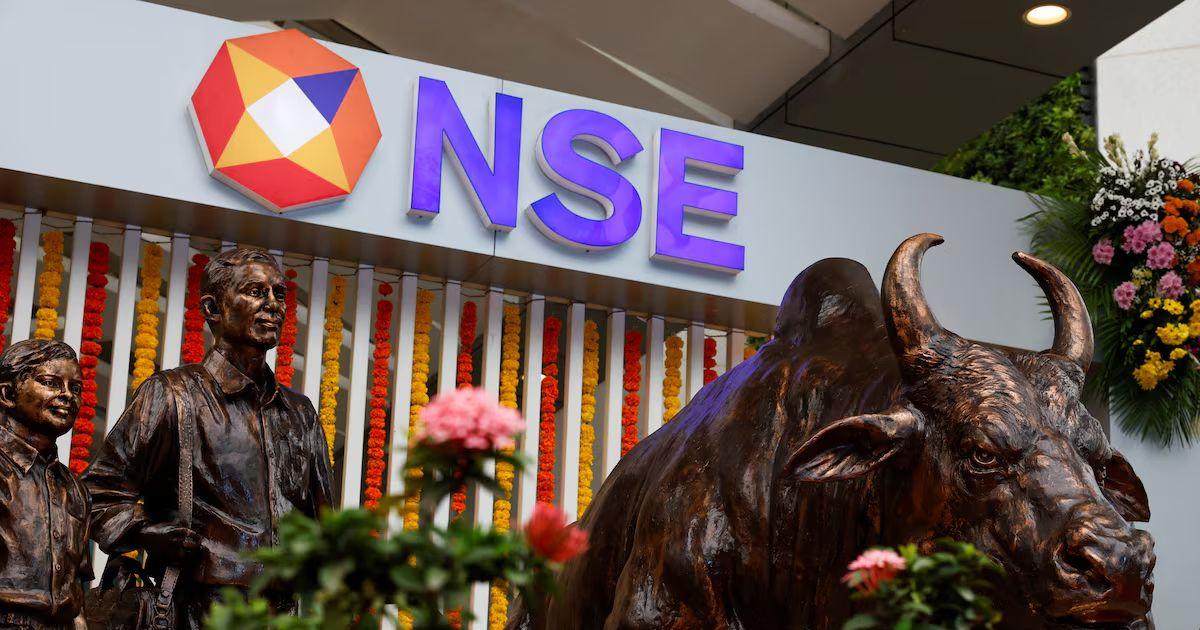
Markets are optimistic now, but if Ukraine-Russia talks collapse, oil could spike again. (Reuters Photo)

Markets are optimistic now, but if Ukraine-Russia talks collapse, oil could spike again. (Reuters Photo)

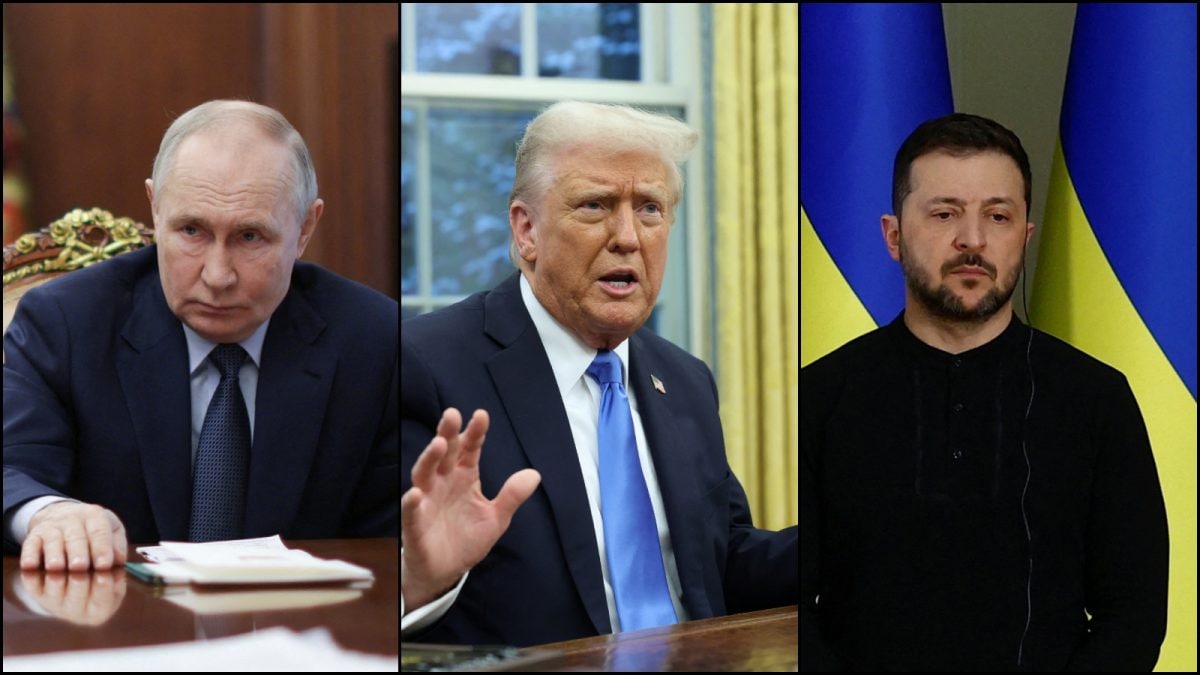
President Donald Trump has dispatched two of his high-profile diplomats, US special envoy Steve Witkoff and son-in-law Jared Kushner, to Russia to secure a peace deal to end the Ukraine war. They are expected to meet President Vladimir Putin today. Though the impact of the “single most consequential meeting” since the war is being seen in the global oil markets, for India, which imports nearly 85% of its crude oil, the consequences are not abstract.

This could translate into petrol prices in Delhi, LPG cylinder costs, the price of onions and tomatoes in the market, and even the monthly grocery bills.

Diplomats in Moscow, Kyiv, Washington, Brussels, and Beijing are all signalling a new calculation: that some form of negotiated settlement, partial freeze, or limited agreement may be on the horizon.

From Frozen Frontlines To Feverish Diplomacy

For nearly three years, the war settled into a grim stalemate: Russia grinding forward in Donbas, Ukraine bleeding but holding, and the West keeping sanctions tight while quietly looking for an exit ramp. Trump’s return to the White House in January 2025 detonated that stasis.

Within weeks, American diplomats were shuttling between Washington, Kyiv, Geneva, and Florida with drafts of what began as a 28-point peace plan. The original version, leaked in November, was widely criticised as tilted towards Moscow: Ukraine would renounce NATO membership forever, cede parts of Donetsk and Luhansk, and hold elections under international supervision in occupied territories.

Kyiv pushed back hard. Ukrainian President Volodymyr Zelenskyy, fresh from a domestic corruption scandal that forced the resignation of his chief negotiator, spent an entire weekend in Florida with Secretary of State Marco Rubio, Defence Secretary Pete Hegseth, and Kushner. By Sunday night, the “Ukraine peace plan” document had been trimmed to 19 points. Crucial concessions were extracted: stronger European security guarantees, partial use of $300 billion in frozen Russian central-bank assets for Ukrainian reconstruction, and language that stopped short of permanent NATO renunciation.

Zelenskyy emerged cautiously optimistic, telling reporters in Paris on Monday after meeting President Emmanuel Macron: “It looks better than the previous version.” European leaders remain nervous. German Chancellor Friedrich Merz warned that “peace cannot be dictated”, while EU foreign-policy chief Kaja Kallas stressed that any deal must be acceptable to Kyiv, not just to Washington and Moscow.

Meanwhile, in recent months, Moscow has expressed readiness to discuss “security guarantees” and “territorial realities,” phrases that analysts interpret as code for accepting negotiations without full victory. Kyiv, though firm on territorial claims, has softened its language on sequencing, signalling willingness to discuss prisoner exchanges, nuclear plant safety, grain routes, and humanitarian corridors even without a complete withdrawal.

In Washington, influential senators have begun publicly arguing that a negotiated end is the only viable outcome. European governments facing war fatigue, fragile economies, and agricultural protests want stability. China continues to position itself as a mediator. Turkey has revived its Black Sea dialogue initiative. Even Pope Francis has urged new negotiations.

None of this guarantees peace. But in international energy markets, expectations matter as much as outcomes. The possibility that sanctions may be eased, shipping restrictions loosened, or Russian supply freed up for global markets has softened crude prices.

How Peace Talk Signals Move Oil Prices, And How It Impacts India

Global oil markets move not just on supply and demand, but on political risk. When risk falls, prices drop. When risk rises, prices jump overnight.

The Russia-Ukraine war created a level of geopolitical energy risk not seen since the Gulf War. Every new sanction, pipeline attack, or battlefield escalation triggered panic in oil markets. Conversely, when markets sense that tensions may ease, they begin pricing in fresh supply.

Analysts quoted in multiple Asian financial outlets say that the mere expectation of sanctions being softened or restructured, even partially, has already nudged downward pressure on prices. If sanctions were formally removed or diluted, Russia, the world’s second-largest oil producer, would be able to push far more volumes into the open market instead of routing them through “shadow fleets” and middlemen. That could temporarily increase global supply and reduce prices.

Brent crude oil prices fell by 0.4% to US$62.86 a barrel in the afternoon in Asia on Thursday, while US West Texas Intermediate crude dropped by a similar margin to US$58.42 a barrel. Crude oil prices are on track to fall in November for a fourth consecutive month, the longest losing streak since 2023. The prospect of more supplies than demand in the event of a peace deal to end the war in Ukraine has been weighing on the oil market, according to a report by the South China Morning Post.

For India, which imports the majority of its crude, this matters enormously. Over the past four years, India’s inflation stability, rare in a turbulent global economy, has been partly because of discounted Russian oil, purchased at $8–$16 per barrel below Brent prices. Those discounts have now narrowed sharply. If peace talks progress, India may lose some bargaining power.

India’s Russian Oil Advantage, And What Would Be The Impact

Before the war, Russia supplied just roughly 2% of India’s crude imports. By late 2023, that number jumped to 40%. Moscow became India’s top crude supplier, ahead of Saudi Arabia and Iraq.

This helped India in three crucial ways:

  • Cheaper crude lowered petrol and diesel import costs, stabilising pump prices even when global markets were volatile.
  • It kept cooking gas, transport, and power costs under control, indirectly containing food inflation.
  • It allowed Indian refiners to boost margins by exporting high-value diesel and aviation fuel to Europe, which was avoiding Russian products. However, this advantage has begun to narrow.

Discounts on Russian crude have reduced as more Asian buyers compete for supply. The discounts have narrowed from a high of $40 per barrel to just $1.5, according to a Hindu report.

Shipping risks and insurance tightening have raised transport costs. Western sanctions are now enforced more rigorously, increasing compliance scrutiny on Indian buyers. Some Indian refiners have reportedly reduced spot purchases because shipping routes are uncertain and payment channels face delays.

If peace talks result in sanctions loosening, Russia will have access to European markets again, or at least more shipping flexibility. In that scenario, Moscow may prioritise higher-paying European buyers over discounted sales to Asia.

“Oil marketing companies need to be sensitive. India does not recognise unilateral sanctions. It only recognises UN sanctions. If there is a relief (from sanctions), there will be a drop in oil prices,” said Amit Bhandari, senior fellow, energy, investment and connectivity at Gateway House.

Why Peace Does Not Automatically Mean Cheaper Fuel For India

This is where the story gets more complicated. Even though peace talks are generally expected to push oil prices down, the actual impact on India is mixed.

Firstly, if Russia regains access to Western markets, the unusually steep discounts granted to India may disappear. Russian crude could become more expensive for Indian refiners, even if global prices fall.

Secondly, India’s refineries are configured to use specific grades. Sudden shifts in supply sources can force refiners to import more expensive grades from West Asia or Africa.

Thirdly, if peace talks cause the US and Europe to adjust sanctions frameworks, shipping insurance, banking channels, and freight logistics could change overnight, raising costs.

Fourthly, peace in Ukraine does not resolve tensions in the Middle East. As long as the Red Sea crisis, Gaza war, and West Asian instability continue, freight costs remain elevated.

In other words, global prices may soften, but India’s import bill may not.

How Oil Prices Shape Indian Household Budgets

Rising oil prices do not just affect what you pay at the petrol pump. They influence almost everything in your kitchen.

Transporting vegetables, grains, pulses, dairy, and meat becomes costlier when diesel prices go up. Fertiliser production, which relies heavily on natural gas, becomes more expensive. Cold storage facilities and food processing units face higher input costs. Even aviation turbine fuel affects air cargo rates for perishable foods.

Cooking oil, which India imports in large quantities, is deeply tied to global shipping rates. When freight becomes expensive, edible oil prices creep up. A rise in global commodity inflation often hits your home through onion prices, tomato shortages, rice inflation, dal costs, and cooking oil spikes.

This is why global peace talks matter for Indian families. If discounted Russian oil dries up, India’s fuel import bill could increase, pushing up transportation and commodity costs at a time when food inflation remains a political flashpoint ahead of major state elections and the 2026 Union Budget.

What Is India’s Balancing Act?

New Delhi has walked one of the most delicate diplomatic lines of the Ukraine war: maintaining ties with Moscow for energy security while deepening strategic cooperation with the US and Europe.

India’s position rests on three pillars:

Energy affordability: Russian oil helped India avoid the inflationary shocks felt in Europe.

Strategic autonomy: India refuses to take sides in global conflicts, prioritising national interest.

Geopolitical balancing: Maintaining defence ties with Russia while expanding economic and technological partnerships with the West.

But peace negotiations could alter this balance. If the West offers sanctions relief in exchange for concessions from Russia, European buyers may return to the Russian oil market. That reduces India’s leverage. Conversely, if sanctions enforcement tightens during negotiations, Indian refiners could face higher compliance costs.

Either scenario creates uncertainty for India’s energy planners. “If peace talks fail, Indian oil refiners may lose some. But Russian oil companies will find one way or the other to enter different markets as it is the third largest oil exporter in the world, after Saudi Arabia and the United States of America. The impact, as such, won’t be catastrophic,” predicted Bhandari. He also stressed that India is in a “good position” in terms of oil and energy. Indian households, too, would not see major impact due to oil prices.

What Happens If India Has To Pivot Away from Russian Oil?

India has multiple options, but none are perfect. Organization of the Petroleum Exporting Countries (OPEC) suppliers such as Saudi Arabia, Iraq, and the UAE can increase supply, but not at Russian discount levels. African grades such as Nigerian and Angolan crude are volatile and expensive. US shale oil is high-quality but comes with higher freight costs. Latin American suppliers face logistical constraints.

India may also have to increase long-term contracts to stabilise supply, reducing flexibility.

A pivot away from Russian crude, whether due to sanctions, logistics, or shrinking discounts, could push India back into a world of more expensive crude and higher inflation. That affects everything from LPG subsidy calculations to state-run oil marketing companies’ pricing decisions.

The Festival Season, Budget 2026, And India’s Inflation Risks

Timing is crucial. India is in the winter marriage season, peak consumer spending period, the pre-budget fiscal planning cycle, and the build-up to key state elections next year.

Inflation returning now would be politically sensitive. Food inflation, especially vegetables and cooking oil, remains a recurring worry. If oil prices rise, transport costs ripple through the supply chain. The government may be forced to extend or expand subsidies, cut duties, or dip into reserves — all of which affect fiscal policy heading into Budget 2026.

What If Peace Talks Fail? The Worst-Case Scenario For India

Markets are optimistic now, but if talks collapse, oil could spike again. A fresh escalation could trigger new sanctions, disrupt the Black Sea grain corridor, push freight costs higher, and force Russia to restrict supply. Wheat, sunflower oil, fertilisers, and corn prices could rise globally. India imports a significant portion of edible oil and fertiliser, making it vulnerable.

A failed negotiation could mean longer queues for cheap Russian oil, fewer discounts, higher global crude prices, and a surge in food inflation within months.

What Indian Consumers Should Expect

India will continue diversifying crude sources but will fight hard to retain discounted Russian volumes. Peace negotiations may bring temporary price softening, but structural uncertainty will remain until a formal agreement is signed and sanctions regimes are rewritten.

In the short term, consumers may see stability in petrol and diesel prices because the Indian government prefers price discipline. But supermarket bills could fluctuate depending on freight costs and edible oil imports.

The negotiation tables in Moscow and Washington may determine whether your cooking oil exceeds Rs 200 per litre again, or whether tomatoes stay within reasonable limits.

The Russia-Ukraine conflict has shown how deeply connected global diplomacy and local household economics have become. India’s energy security and kitchen inflation now depend not just on OPEC decisions but on distant negotiations in European capitals.

Peace talks may bring relief or new complications. But one thing is clear: India’s ability to secure affordable oil will shape everything from fiscal policy to everyday grocery bills in the coming year.

For now, the world watches the diplomatic chessboard, while Indian households wait to see how it will reshape the monthly budget.

About the Author

Shilpy Bisht

Shilpy Bisht

Shilpy Bisht is a News Editor at News18, where she leads the English App operations. She writes on world affairs, health, AI, career, business, and issues affecting women and children. A former print …Read More

Click here to add News18 as your preferred news source on Google.
First Published:

December 02, 2025, 12:20 IST

News explainers How Russia-Ukraine Peace Talks Could Hit Global Oil Prices, And What That Means For India
Disclaimer: Comments reflect users’ views, not News18’s. Please keep discussions respectful and constructive. Abusive, defamatory, or illegal comments will be removed. News18 may disable any comment at its discretion. By posting, you agree to our Terms of Use and Privacy Policy.

This could translate into petrol prices in Delhi, LPG cylinder costs, the price of onions and tomatoes in the market, and even the monthly grocery bills.

Diplomats in Moscow, Kyiv, Washington, Brussels, and Beijing are all signalling a new calculation: that some form of negotiated settlement, partial freeze, or limited agreement may be on the horizon.

From Frozen Frontlines To Feverish Diplomacy

For nearly three years, the war settled into a grim stalemate: Russia grinding forward in Donbas, Ukraine bleeding but holding, and the West keeping sanctions tight while quietly looking for an exit ramp. Trump’s return to the White House in January 2025 detonated that stasis.

Within weeks, American diplomats were shuttling between Washington, Kyiv, Geneva, and Florida with drafts of what began as a 28-point peace plan. The original version, leaked in November, was widely criticised as tilted towards Moscow: Ukraine would renounce NATO membership forever, cede parts of Donetsk and Luhansk, and hold elections under international supervision in occupied territories.

Kyiv pushed back hard. Ukrainian President Volodymyr Zelenskyy, fresh from a domestic corruption scandal that forced the resignation of his chief negotiator, spent an entire weekend in Florida with Secretary of State Marco Rubio, Defence Secretary Pete Hegseth, and Kushner. By Sunday night, the “Ukraine peace plan” document had been trimmed to 19 points. Crucial concessions were extracted: stronger European security guarantees, partial use of $300 billion in frozen Russian central-bank assets for Ukrainian reconstruction, and language that stopped short of permanent NATO renunciation.

Zelenskyy emerged cautiously optimistic, telling reporters in Paris on Monday after meeting President Emmanuel Macron: “It looks better than the previous version.” European leaders remain nervous. German Chancellor Friedrich Merz warned that “peace cannot be dictated”, while EU foreign-policy chief Kaja Kallas stressed that any deal must be acceptable to Kyiv, not just to Washington and Moscow.

Meanwhile, in recent months, Moscow has expressed readiness to discuss “security guarantees” and “territorial realities,” phrases that analysts interpret as code for accepting negotiations without full victory. Kyiv, though firm on territorial claims, has softened its language on sequencing, signalling willingness to discuss prisoner exchanges, nuclear plant safety, grain routes, and humanitarian corridors even without a complete withdrawal.

In Washington, influential senators have begun publicly arguing that a negotiated end is the only viable outcome. European governments facing war fatigue, fragile economies, and agricultural protests want stability. China continues to position itself as a mediator. Turkey has revived its Black Sea dialogue initiative. Even Pope Francis has urged new negotiations.

None of this guarantees peace. But in international energy markets, expectations matter as much as outcomes. The possibility that sanctions may be eased, shipping restrictions loosened, or Russian supply freed up for global markets has softened crude prices.

How Peace Talk Signals Move Oil Prices, And How It Impacts India

Global oil markets move not just on supply and demand, but on political risk. When risk falls, prices drop. When risk rises, prices jump overnight.

The Russia-Ukraine war created a level of geopolitical energy risk not seen since the Gulf War. Every new sanction, pipeline attack, or battlefield escalation triggered panic in oil markets. Conversely, when markets sense that tensions may ease, they begin pricing in fresh supply.

Analysts quoted in multiple Asian financial outlets say that the mere expectation of sanctions being softened or restructured, even partially, has already nudged downward pressure on prices. If sanctions were formally removed or diluted, Russia, the world’s second-largest oil producer, would be able to push far more volumes into the open market instead of routing them through “shadow fleets” and middlemen. That could temporarily increase global supply and reduce prices.

Brent crude oil prices fell by 0.4% to US$62.86 a barrel in the afternoon in Asia on Thursday, while US West Texas Intermediate crude dropped by a similar margin to US$58.42 a barrel. Crude oil prices are on track to fall in November for a fourth consecutive month, the longest losing streak since 2023. The prospect of more supplies than demand in the event of a peace deal to end the war in Ukraine has been weighing on the oil market, according to a report by the South China Morning Post.

For India, which imports the majority of its crude, this matters enormously. Over the past four years, India’s inflation stability, rare in a turbulent global economy, has been partly because of discounted Russian oil, purchased at $8–$16 per barrel below Brent prices. Those discounts have now narrowed sharply. If peace talks progress, India may lose some bargaining power.

India’s Russian Oil Advantage, And What Would Be The Impact

Before the war, Russia supplied just roughly 2% of India’s crude imports. By late 2023, that number jumped to 40%. Moscow became India’s top crude supplier, ahead of Saudi Arabia and Iraq.

This helped India in three crucial ways:

  • Cheaper crude lowered petrol and diesel import costs, stabilising pump prices even when global markets were volatile.
  • It kept cooking gas, transport, and power costs under control, indirectly containing food inflation.
  • It allowed Indian refiners to boost margins by exporting high-value diesel and aviation fuel to Europe, which was avoiding Russian products. However, this advantage has begun to narrow.

Discounts on Russian crude have reduced as more Asian buyers compete for supply. The discounts have narrowed from a high of $40 per barrel to just $1.5, according to a Hindu report.

Shipping risks and insurance tightening have raised transport costs. Western sanctions are now enforced more rigorously, increasing compliance scrutiny on Indian buyers. Some Indian refiners have reportedly reduced spot purchases because shipping routes are uncertain and payment channels face delays.

If peace talks result in sanctions loosening, Russia will have access to European markets again, or at least more shipping flexibility. In that scenario, Moscow may prioritise higher-paying European buyers over discounted sales to Asia.

“Oil marketing companies need to be sensitive. India does not recognise unilateral sanctions. It only recognises UN sanctions. If there is a relief (from sanctions), there will be a drop in oil prices,” said Amit Bhandari, senior fellow, energy, investment and connectivity at Gateway House.

Why Peace Does Not Automatically Mean Cheaper Fuel For India

This is where the story gets more complicated. Even though peace talks are generally expected to push oil prices down, the actual impact on India is mixed.

Firstly, if Russia regains access to Western markets, the unusually steep discounts granted to India may disappear. Russian crude could become more expensive for Indian refiners, even if global prices fall.

Secondly, India’s refineries are configured to use specific grades. Sudden shifts in supply sources can force refiners to import more expensive grades from West Asia or Africa.

Thirdly, if peace talks cause the US and Europe to adjust sanctions frameworks, shipping insurance, banking channels, and freight logistics could change overnight, raising costs.

Fourthly, peace in Ukraine does not resolve tensions in the Middle East. As long as the Red Sea crisis, Gaza war, and West Asian instability continue, freight costs remain elevated.

In other words, global prices may soften, but India’s import bill may not.

How Oil Prices Shape Indian Household Budgets

Rising oil prices do not just affect what you pay at the petrol pump. They influence almost everything in your kitchen.

Transporting vegetables, grains, pulses, dairy, and meat becomes costlier when diesel prices go up. Fertiliser production, which relies heavily on natural gas, becomes more expensive. Cold storage facilities and food processing units face higher input costs. Even aviation turbine fuel affects air cargo rates for perishable foods.

Cooking oil, which India imports in large quantities, is deeply tied to global shipping rates. When freight becomes expensive, edible oil prices creep up. A rise in global commodity inflation often hits your home through onion prices, tomato shortages, rice inflation, dal costs, and cooking oil spikes.

This is why global peace talks matter for Indian families. If discounted Russian oil dries up, India’s fuel import bill could increase, pushing up transportation and commodity costs at a time when food inflation remains a political flashpoint ahead of major state elections and the 2026 Union Budget.

What Is India’s Balancing Act?

New Delhi has walked one of the most delicate diplomatic lines of the Ukraine war: maintaining ties with Moscow for energy security while deepening strategic cooperation with the US and Europe.

India’s position rests on three pillars:

Energy affordability: Russian oil helped India avoid the inflationary shocks felt in Europe.

Strategic autonomy: India refuses to take sides in global conflicts, prioritising national interest.

Geopolitical balancing: Maintaining defence ties with Russia while expanding economic and technological partnerships with the West.

But peace negotiations could alter this balance. If the West offers sanctions relief in exchange for concessions from Russia, European buyers may return to the Russian oil market. That reduces India’s leverage. Conversely, if sanctions enforcement tightens during negotiations, Indian refiners could face higher compliance costs.

Either scenario creates uncertainty for India’s energy planners. “If peace talks fail, Indian oil refiners may lose some. But Russian oil companies will find one way or the other to enter different markets as it is the third largest oil exporter in the world, after Saudi Arabia and the United States of America. The impact, as such, won’t be catastrophic,” predicted Bhandari. He also stressed that India is in a “good position” in terms of oil and energy. Indian households, too, would not see major impact due to oil prices.

What Happens If India Has To Pivot Away from Russian Oil?

India has multiple options, but none are perfect. Organization of the Petroleum Exporting Countries (OPEC) suppliers such as Saudi Arabia, Iraq, and the UAE can increase supply, but not at Russian discount levels. African grades such as Nigerian and Angolan crude are volatile and expensive. US shale oil is high-quality but comes with higher freight costs. Latin American suppliers face logistical constraints.

India may also have to increase long-term contracts to stabilise supply, reducing flexibility.

A pivot away from Russian crude, whether due to sanctions, logistics, or shrinking discounts, could push India back into a world of more expensive crude and higher inflation. That affects everything from LPG subsidy calculations to state-run oil marketing companies’ pricing decisions.

The Festival Season, Budget 2026, And India’s Inflation Risks

Timing is crucial. India is in the winter marriage season, peak consumer spending period, the pre-budget fiscal planning cycle, and the build-up to key state elections next year.

Inflation returning now would be politically sensitive. Food inflation, especially vegetables and cooking oil, remains a recurring worry. If oil prices rise, transport costs ripple through the supply chain. The government may be forced to extend or expand subsidies, cut duties, or dip into reserves — all of which affect fiscal policy heading into Budget 2026.

What If Peace Talks Fail? The Worst-Case Scenario For India

Markets are optimistic now, but if talks collapse, oil could spike again. A fresh escalation could trigger new sanctions, disrupt the Black Sea grain corridor, push freight costs higher, and force Russia to restrict supply. Wheat, sunflower oil, fertilisers, and corn prices could rise globally. India imports a significant portion of edible oil and fertiliser, making it vulnerable.

A failed negotiation could mean longer queues for cheap Russian oil, fewer discounts, higher global crude prices, and a surge in food inflation within months.

What Indian Consumers Should Expect

India will continue diversifying crude sources but will fight hard to retain discounted Russian volumes. Peace negotiations may bring temporary price softening, but structural uncertainty will remain until a formal agreement is signed and sanctions regimes are rewritten.

In the short term, consumers may see stability in petrol and diesel prices because the Indian government prefers price discipline. But supermarket bills could fluctuate depending on freight costs and edible oil imports.

The negotiation tables in Moscow and Washington may determine whether your cooking oil exceeds Rs 200 per litre again, or whether tomatoes stay within reasonable limits.

The Russia-Ukraine conflict has shown how deeply connected global diplomacy and local household economics have become. India’s energy security and kitchen inflation now depend not just on OPEC decisions but on distant negotiations in European capitals.

Peace talks may bring relief or new complications. But one thing is clear: India’s ability to secure affordable oil will shape everything from fiscal policy to everyday grocery bills in the coming year.

For now, the world watches the diplomatic chessboard, while Indian households wait to see how it will reshape the monthly budget.

img

Stay Ahead, Read Faster

Scan the QR code to download the News18 app and enjoy a seamless news experience anytime, anywhere.

QR Code

login


Source link

Tags: ExplainersGlobalHitIndiameansNewsOilpeacePricesRussiaUkrainetalks
Share204Tweet128Send

Related Posts

6 held for firing at Punjabi singer Gulab Sidhu’s house; foreign extortion link suspected
International

6 held for firing at Punjabi singer Gulab Sidhu’s house; foreign extortion link suspected

September 22, 2026
Russia’s ruling pro-Putin party wins wartime election with over 57% of vote, near-complete results show
International

Russia’s ruling pro-Putin party wins wartime election with over 57% of vote, near-complete results show

September 21, 2026
Pakistan-Afghanistan Tensions Soar After Cross-Border Airstrikes Target Militant Hideouts
International

Pakistan-Afghanistan Tensions Soar After Cross-Border Airstrikes Target Militant Hideouts

September 21, 2026
Trump Warns Of ‘Very Big Things’ As Iran Shares Conditions For Ending War | World News
International

Trump Warns Of ‘Very Big Things’ As Iran Shares Conditions For Ending War | World News

September 20, 2026
Load More
  • Trending
  • Comments
  • Latest
9 Festivals to Celebratein August in India

9 Festivals to Celebratein August in India

August 8, 2025
Corruption cases against govt officials: SC bats for striking balance | Latest News India

Corruption cases against govt officials: SC bats for striking balance | Latest News India

August 5, 2025
Guru Randhawa – SIRRA ( Official Video )

Guru Randhawa – SIRRA ( Official Video )

July 1, 2025
जालंधर के निजी अस्पताल में सात साल के बच्चे की मौत:परिजनों का हंगामा, स्टाफ पर धक्का-मुक्की करने का आरोप – Death Of Child At Private Hospital In Jalandhar Family Creates Ruckus Accuses Staff Of Manhandling

जालंधर के निजी अस्पताल में सात साल के बच्चे की मौत:परिजनों का हंगामा, स्टाफ पर धक्का-मुक्की करने का आरोप – Death Of Child At Private Hospital In Jalandhar Family Creates Ruckus Accuses Staff Of Manhandling

0
COVID-19: Delhi govt-run medical colleges to re-open; students to join in phased manner

COVID-19: Delhi govt-run medical colleges to re-open; students to join in phased manner

0
WhatsApp updates terms of service, privacy policy for user data processing and Facebook integration- The New Indian Express

WhatsApp updates terms of service, privacy policy for user data processing and Facebook integration- The New Indian Express

0
Kanpur pharma trader murder: Police get 24-hr custody of 3 accused, questioning to be videographed

Kanpur pharma trader murder: Police get 24-hr custody of 3 accused, questioning to be videographed

September 22, 2026
Rs 3.5 crore defence grant: Student gets Rs 3.5 cr grant from govt: Meet Hamirpur’s Sarvesh Sharma, who built Army drone designed to evade enemy radar & resist jamming attempts

Rs 3.5 crore defence grant: Student gets Rs 3.5 cr grant from govt: Meet Hamirpur’s Sarvesh Sharma, who built Army drone designed to evade enemy radar & resist jamming attempts

September 22, 2026
Trump Warns Iran: Nuclear Ambitions & Missile Program Threat

Trump Warns Iran: Nuclear Ambitions & Missile Program Threat

September 22, 2026
India News Online

24x7 Online News From India
India News Online is your news, entertainment, music fashion website. We provide you with the latest breaking news and videos straight from the entertainment industry.

Categories

  • Business
  • Entertainment
  • Health
  • Hindi News
  • Hindi Songs
  • India
  • International
  • Lifestyle
  • Panjab
  • Politics
  • Punjabi Songs
  • Sports
  • Technology
  • Travel
  • Uncategorized
No Result
View All Result

Recent Posts

  • Kanpur pharma trader murder: Police get 24-hr custody of 3 accused, questioning to be videographed
  • Rs 3.5 crore defence grant: Student gets Rs 3.5 cr grant from govt: Meet Hamirpur’s Sarvesh Sharma, who built Army drone designed to evade enemy radar & resist jamming attempts
  • Trump Warns Iran: Nuclear Ambitions & Missile Program Threat
  • Home
  • Disclaimer
  • DMCA
  • Privacy Policy
  • Cookie Privacy Policy
  • Terms and Conditions
  • Contact

Copyright © 2021 - India News Online.

No Result
View All Result
  • Home
  • News
    • India
    • Punjab
    • International
    • Entertainment
  • Hindi News
  • Politics
  • Health
  • Business
  • Sports
  • Technology
  • Lifestyle
  • Video
  • Travel
  • Game

Copyright © 2021 - India News Online.