












Broadcasters are also rethinking scheduling strategies, experimenting with reality shows on weekdays and breaking away from the traditional model of fiction-led weekdays and non-fiction weekends.
Also Read: Reality shows could be the ones to watch out for in New Year
Kaun Banega Crorepati has aired on weekdays, while Bigg Boss 19 ran through the week. Upcoming shows such as Wheel of Fortune, hosted by Akshay Kumar, are also slated for weekday slots.
Industry executives say reality formats deliver more gender-balanced audiences and travel better across television and digital platforms. This allows for stronger brand integrations and wider overall reach.

The move reflects changing viewing habits, with appointment television weakening and cross-platform consumption becoming central to programming strategies, they added.
Also Read: Tata Play takes a shot at what’s short and sweet
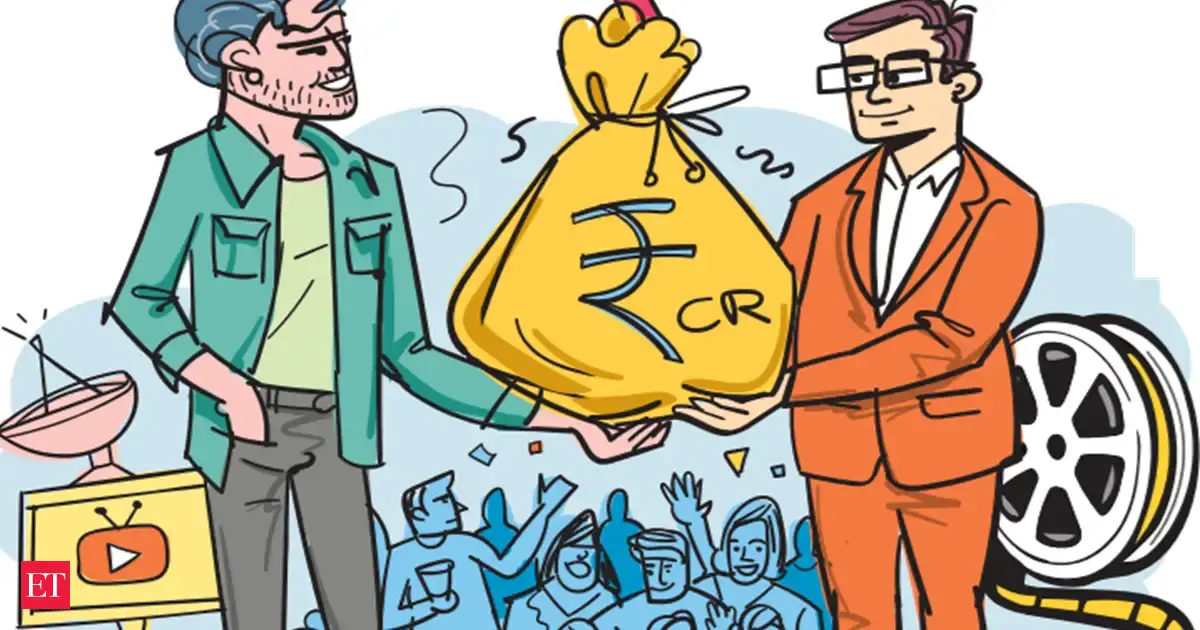
“While non-fiction shows appeal to a wider segment of audiences on TV, their availability was largely limited to weekends to tap movie and drama soap audiences. However, with the rising popularity of new non-fiction genres driven by streaming platforms, TV channels are also capitalising on this trend by extending their presence to weekdays and tempting a large segment of non-drama soap audiences to tune in daily,” said TAM Media CEO LV Krishnan.He added that non-fiction shows are a huge attraction for advertisers as they aggregate audiences essential for building brand campaign reach, and hence command a 35% to 75% premium for sponsorships.
“As brands plan future campaigns in a fragmented media space, non-fiction shows will continue to take a strong share of the advertising pie,” he noted.
“In India’s current media landscape, cricket remains the only male-targeted, mass-appeal offering that consistently dominates the Monday-to-Friday viewing cycle. Outside of that, non-fiction programming is largely weekend-led, leaving a clear weekday gap for male audiences,” said Nachiket Pantvaidya, Chief Content Officer, Sony Entertainment Television, Sony Marathi, and Movie Production.
Executives also say the strategy could help improve monetisation at a time when television advertising around fiction programming has softened. Pantvaidya said Wheel of Fortune has already seen strong monetisation on both television and digital platforms.
GECs have traditionally depended on five-days-a-week fiction formats, but younger audiences are gradually moving away from them forcing broadcasters to rethink their content strategies.
“Our bet is on interactive non-fiction and game formats. If you disrupt the audience’s relationship with the mobile phone, you risk losing their relationship with television as well. The opportunity is to create engagement across both screens,” he added.