











![JMA – Ninja & Deep Jandu [Official MV] Kaptaan](https://i.ytimg.com/vi/-dsfIh319s0/maxresdefault.jpg "JMA – Ninja & Deep Jandu [Official MV] Kaptaan")






The Centre has spent 28 per cent of its FY27 capital expenditure budget of Rs 12.21 trillion in the first three months against around 24.5 per cent during the corresponding period a year ago.

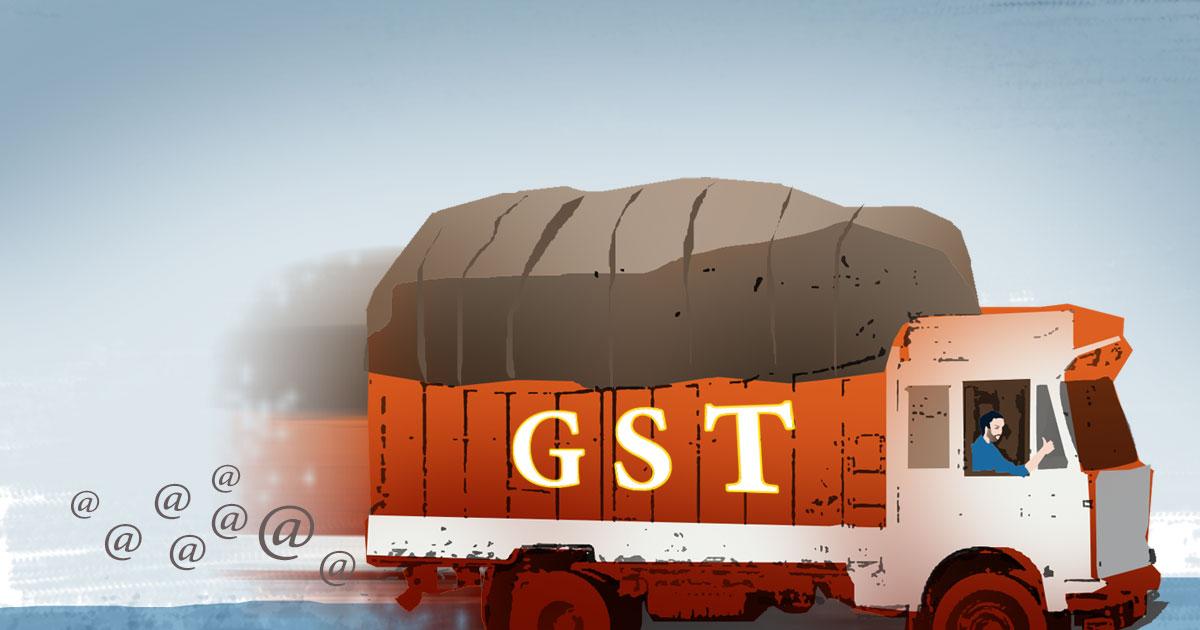
Illustration: Dominic Xavier/Rediff
FY28 Budget Exercise Begins
The ministry of finance has started the Union Budget exercise for the next financial year by asking all line ministries and departments to give realistic projections for FY27 revised estimates and FY28 estimates, a person privy to the development said.
Ministries have also been told to include proper expenditure estimation in their proposals to obviate the need for routine, frequent mid-year re-appropriations, said the person.
Ministries and departments have also been explicitly told to ensure that all allocations sought are in line with the approval of the competent authority, the person said.
Finance ministry also plans to start its annual pre-Budget consultations with various stakeholders from agriculture, small and medium enterprises, industry, social sector and others from October 12, 2026.
Usually, agriculture is the first sector that meets top officials in the finance ministry to put forward their proposals for inclusion in the Union Budget.
Key Points
- The finance ministry has asked ministries to submit realistic FY27 revised estimates and FY28 spending projections.
- Departments have been told to improve expenditure estimates and avoid frequent mid-year fund reallocations.
- Pre-Budget discussions with agriculture, MSMEs, industry and social sector stakeholders will begin from October 12, 2026.
- Fertiliser and food subsidy bills are expected to rise amid higher commodity prices linked to the West Asia crisis.
- Economists expect the FY28 Budget size to rise 4-5 per cent, with the fiscal deficit easing gradually toward 4 per cent.
Ministries Get Fresh Instructions
FY28 Union Budget is being prepared amid the West Asia crisis, which flared up after the FY27 Budget was presented on February 1. The conflict began on February 28.
The crisis has pushed up global prices of several commodities, including fertilisers, liquefied natural gas and also chemicals that are majorly shipped through the Strait of Hormuz, which remains at the centre of the US-Iran conflict.
Subsidy Bills Under Pressure
According to latest estimates, India has exhausted more than half of the Rs 1.70 trillion fertiliser subsidy budgeted for FY27.
The food subsidy bill is also projected to surpass the FY27 Budget Estimate of Rs 2.28 trillion and might touch Rs 2.5 trillion due to higher minimum support price and increased procurement of wheat and paddy.
Capital Spending Picks Up
Latest data from Controller General of Accounts (CGA) shows that the Centre received almost 29 per cent of its FY27 Budgeted Estimate of total receipts of around Rs 36.5 trillion in the first three months of FY27, which is slightly more than 27 per cent of the BE during the year-ago period.
When it comes to expenditure, the government has spent around 25.4 per cent of the Budget Estimate of Rs 53.4 trillion which is slightly more than 24.1 per cent of the same period last year.
The Centre has spent 28 per cent of its FY27 capital expenditure budget of Rs 12.21 trillion in the first three months against around 24.5 per cent during the corresponding period a year ago.
Fiscal Deficit Outlook
The overall size of the FY28 Budget could go up by about 4-5 per cent, said Madan Sabnavis, chief economist at Bank of Baroda.
The total spending estimated in the FY27 budget is Rs 53.5 trillion.
Capital expenditure is also likely to increase by the same measure in FY28, Sabnavis said.
On the fiscal deficit front, Sabnavis expects only a gradual correction in the FY28 Budget.
“While the deficit could come down from around 4.3 per cent to about 4 per cent, there is unlikely to be anything dramatic,” Sabnavis said.
According to Sabnavis, the FY28 Budget could therefore see modest fiscal consolidation.
There will be pressure this year from higher expenditure, particularly on subsidies, so there could be some slippage, he said.
“When I say 4 per cent, what I mean is that the fiscal deficit could be around 0.2-0.3 percentage points lower than the revised estimate (for FY27),” Sabnavis said.
He said there will be some advantage from a higher nominal GDP base.
Nominal GDP growth, according to Sabnavis, may not be 10 per cent but could be around 11 per cent because of inflation.
The government’s last monthly economic review, released in July 2026 for FY27, said that notwithstanding the uncertain global environment, the Indian economy sustained its growth momentum in the first quarter of FY27, supported by resilient domestic demand.

Feature Presentation: Ashish Narsale/Rediff