




















Another novel, “Blonde Roots,” is set in an alternative historical timeline in which Africans have enslaved Europeans, and was nominated for a major science-fiction award.
“Mr Loverman,” which centers on a closeted gay 70-something Antiguan Londoner, was an attempt to move beyond cliched images of Britain’s postwar Caribbean immigrants. It was recently made into a BBC television series starring Lennie James and Sharon D. Clarke.
Levelling the playing field
Her latest award is a one-off accolade marking the 30th anniversary of the annual Women’s Prizes for English-language fiction and nonfiction.
Women’s Prize founder Kate Mosse said Evaristo’s “dazzling skill and imagination, and her courage to take risks and offer readers a pathway into diverse and multifarious worlds over a 40-year career made her the ideal recipient.”
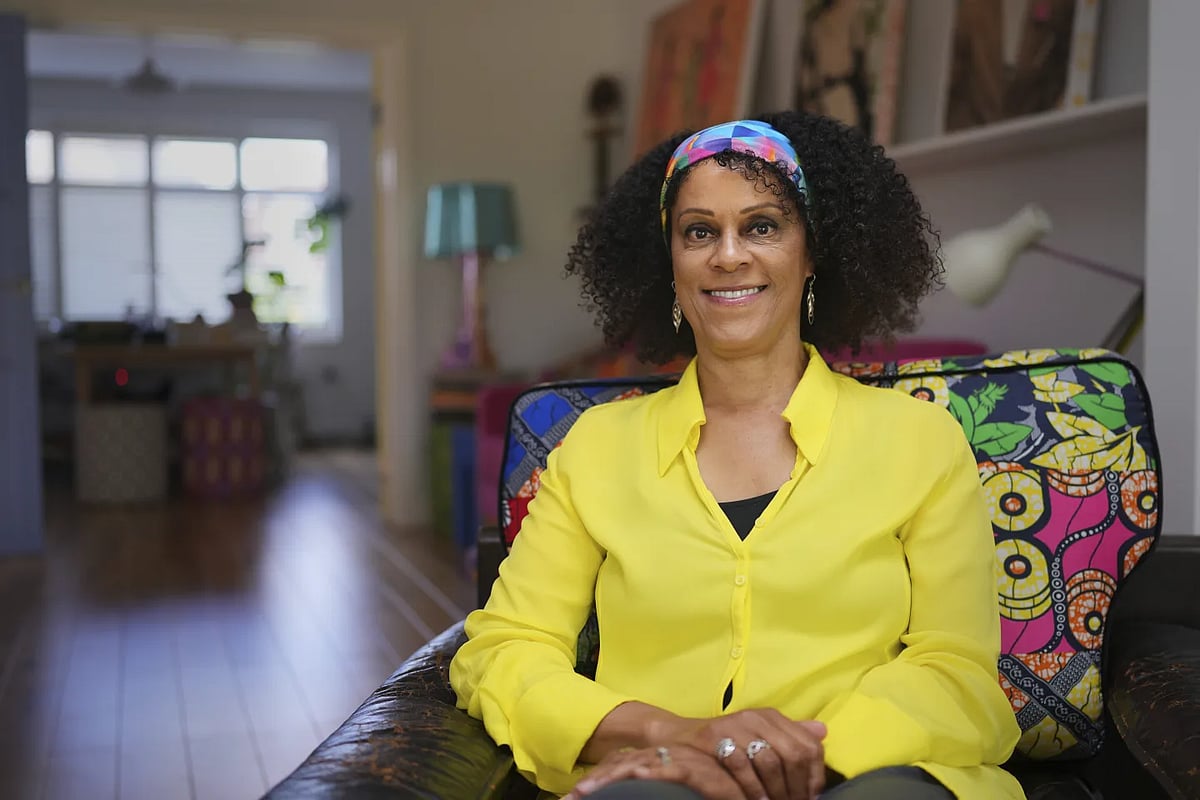
Evaristo, who teaches creative writing at Brunel University of London, plans to use the prize money to help other women writers through an as-yet undisclosed project.
She has long been involved with projects to level the playing field for under-represented writers, and is especially proud of Complete Works, a mentoring program for poets of color that she ran for a decade.
“I set that up because I initiated research into how many poets of color were getting published in Britain at that time, and it was under 1%” of the total, she said. A decade later, it was 10%.
“It really has helped shift the poetry landscape in the UK,” she said.
Partial progress
Evaristo followed “Girl, Woman, Other” with “Manifesto,” a memoir that recounts the stark racism of her 1960s London childhood, as well as her lifelong battle for creative expression and freedom.
If Evaristo grew up as an outsider, these days she is ensconced in the arts establishment: professor, Booker winner, Officer of the Order of the British Empire, or OBE, and president of the 200-year-old Royal Society of Literature.