













![JMA – Ninja & Deep Jandu [Official MV] Kaptaan](https://i.ytimg.com/vi/-dsfIh319s0/maxresdefault.jpg "JMA – Ninja & Deep Jandu [Official MV] Kaptaan")




4 min readAug 24, 2026 09:38 PM IST
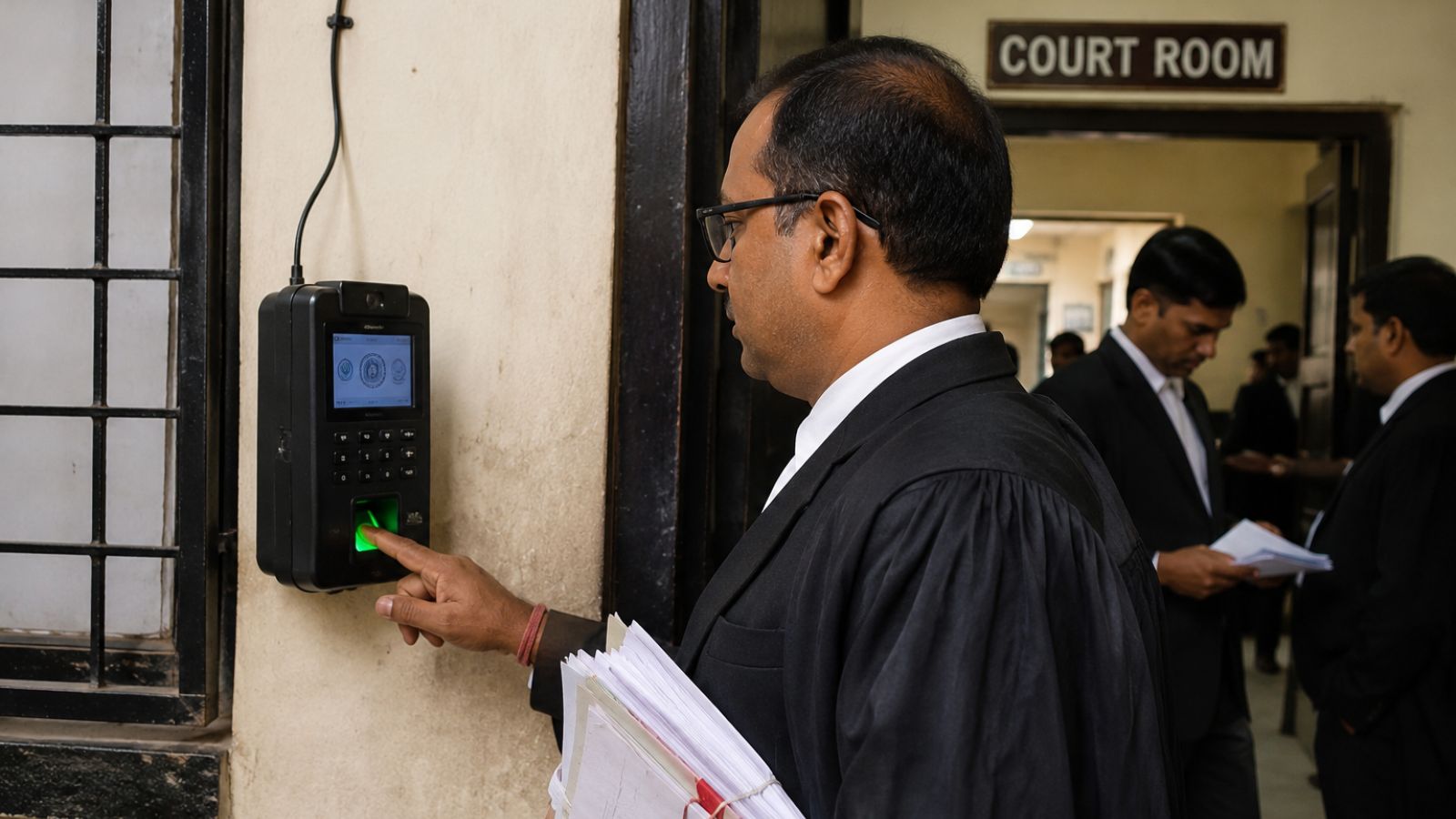
After the Delhi government’s move making biometric attendance compulsory did not go down well with several officials and staffers, prosecutors in the Capital last week approached the High Court challenging a circular of the Directorate of Prosecution (DoP) making Aadhaar Enabled Biometric Attendance System (AEBAS) mandatory without allegedly taking the “peculiar nature” of their duties into account.
On August 17, Justice Swarana Kanta Sharma disposed of a plea by the Delhi Prosecutors Welfare Association (DPWA) with a direction to the Centre and the Delhi government to consider their plea before the court as a representation and decide the same within four weeks, while giving an opportunity of hearing to the association.

The DPWA, through its secretary Rajesh Kumar, had moved the Delhi HC challenging a circular dated July 16 and another dated July 21 by the DoP that functions under the administrative control of the Home department of Delhi government. The July 16 circular notified that AEBAS was made applicable for public prosecutors, while the July 21 circular made AEBAS mandatory for all public prosecutors, additional public prosecutors and assistant public prosecutors serving under the DoP. This mandate, the association says, ignores “the peculiar nature of prosecutorial duties and the functioning of Criminal Courts”.
Following the circulars by DoP, the Home department too had directed implementation of AEBAS in district offices and court complexes on July 24 and 31, and also on August 3.
Contending that the system is “impractical having regard to the nature of their duties and that their presence is otherwise reflected in the court records and proceedings”, the DPWA sought before the court that the two circulars be quashed, or in the alternative, the implementation of the circulars be kept in abeyance while a “practical and court-centric attendance mechanism” be devised for public prosecutors.
Emphasising that the circulars were unreasonable, the DPWA has flagged that the mandatory biometric attendance has “placed an unnecessary administrative burden upon an already overburdened prosecutorial service”.
“Instead of facilitating the administration of criminal justice, they compel Public Prosecutors to spend valuable time reporting to the office, standing in long queues for biometric attendance and completing attendance formalities immediately before Court hours, thereby affecting timely appearance before Courts and compliance with judicial duties,” DPWA emphasised.
Story continues below this ad
With prosecutors constantly on the move, the DPWA says that they often have to simultaneously attend proceedings before multiple courts, attend urgent remand proceedings, conduct sessions trials and perform administrative duties on the same day. Since all prosecutors are required to report almost simultaneously before commencement of court, “congestion before attendance devices is inevitable”, the DPWA said, adding that “such delay would necessarily postpone commencement of criminal proceedings and adversely affect victims, witnesses, undertrial prisoners, police officials and functioning of criminal courts”.
Terming that the circulars’ mandate proceeds on an “erroneous assumption that the place of work of a Public Prosecutor is the administrative office of the Directorate of Prosecution”, the DPWA has said that “in reality, the workplace of a Public Prosecutor is the Court itself”.
Prior to the issuance of circulars, DPWA had made a representation to the department, opposing the move, and according to it, the department proceeded to implement the mandate “without considering the representations”.
The biometric attendance push came after Chief Minister Rekha Gupta found several senior staff members, including senior bureaucrats, “absent” from duty at the state GST office during a surprise inspection in April.
Story continues below this ad
Following this, the government made biometric attendance mandatory for employees across its departments.
The attendance is now reflected publicly on https://delhi.attendance.gov.in/. According to the dashboard, 43 government departments have been onboarded, including the DoP. On Tuesday, only one out of the 114 registered employees of the department marked attendance.