



















India
oi-Zainab Ashraf


India
is
preparing
to
make
history
with
the
Space
Docking
Experiment
(SpaDeX),
a
groundbreaking
mission
that
will
demonstrate
satellite
docking
in
space.
Scheduled
for
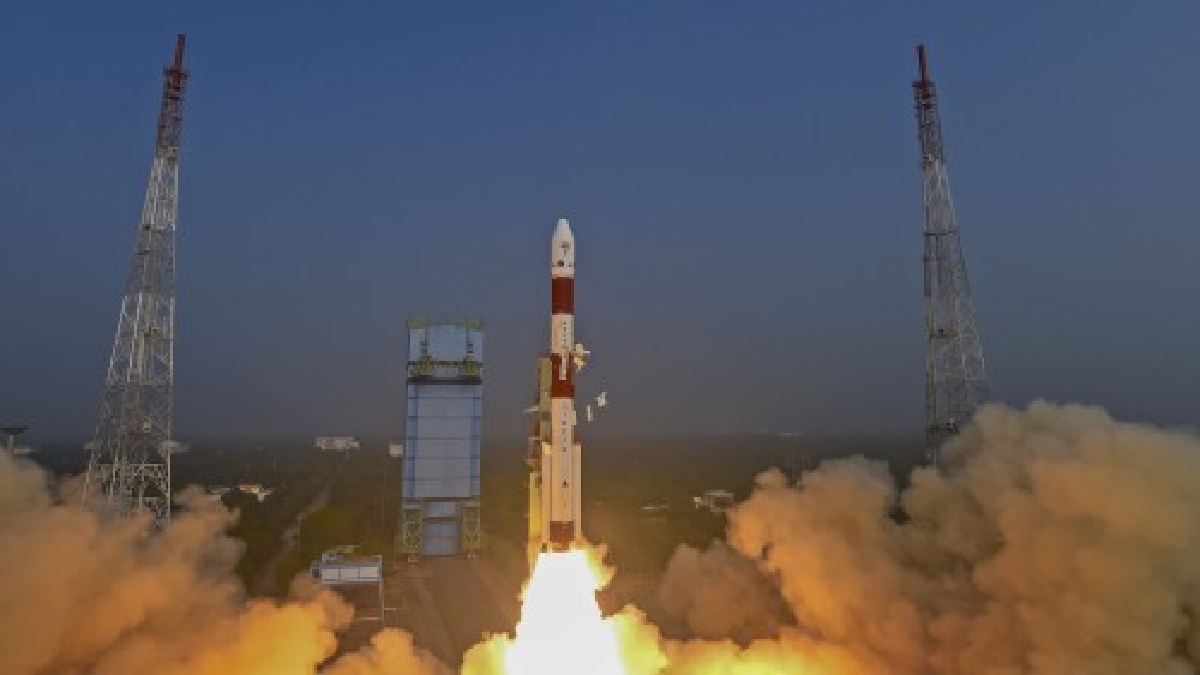
launch
on
December
30,
the
mission
is
a
major
step
forward
for
India’s
space
capabilities.
The
Indian
Space
Research
Organisation
(ISRO)
will
launch
two
specially
designed
satellites,
each
weighing
around
220
kilograms,
using
the
trusted
Polar
Satellite
Launch
Vehicle
(PSLV).
These
satellites,
named
Chaser
(SDX01)
and
Target
(SDX02),
will
attempt
to
dock
at
an
altitude
of
470
kilometres
above
Earth.

Significance
Of
SpaDeX
For
India
SpaDeX
is
far
more
than
a
technological
demonstration.
It
is
a
strategic
move
towards
several
ambitious
goals,
including:
1.
Supporting
the
Gaganyaan
human
spaceflight
programme
2.
Facilitating
future
missions
like
Chandrayaan-4
for
lunar
sample
returns
3.
Preparing
for
the
Bharatiya
Antariksh
Station
(BAS),
India’s
proposed
space
station
ISRO
has
developed
an
innovative
docking
system
aligned
with
international
standards,
reflecting
India’s
progress
in
space
technology.
The
PSLV’s
fourth
stage,
POEM-4,
will
also
host
24
scientific
experiments,
maximising
the
mission’s
research
potential.
SpaDeX
For
Global
Importance
Successful
execution
of
SpaDeX
will
make
India
the
fourth
country,
after
Russia,
the
United
States,
and
China,
to
master
docking
technology.
This
achievement
will
position
India
as
a
key
player
in
global
space
exploration.
SpaDeX
also
demonstrates
a
cost-effective
approach
to
advancing
space
operations,
enabling
satellite
servicing,
formation
flying,
and
complex
infrastructure
development.
As
the
countdown
begins,
this
mission
promises
to
be
a
defining
moment,
showcasing
India’s
growing
role
in
space
exploration
and
paving
the
way
for
future
breakthroughs.