






















As winter sets in, many of us brace ourselves for a familiar cycle of persistent coughs, stubborn colds, sore throats, and lingering fevers. While it is easy to blame a weakened immune system or the dropping temperatures, the root causes go far deeper than just cold weather. From poorly ventilated indoor spaces and dry winter air to gnawing viruses and hand-hygiene habits, several hidden factors keep us falling sick repeatedly.

Catching one cold right after another makes winter feel endless. Beyond chilly temperatures, our indoor habits, viral activity, and changing environmental conditions work together to make us far more vulnerable to seasonal bugs. (Image: Canva)

To escape the cold, we spend hours indoors with closed windows and doors. According to NIH studies, stagnant indoor air traps respiratory droplets from coughing or talking, drastically increasing the transmission of airborne viruses among family members or coworkers. (Image: Canva)
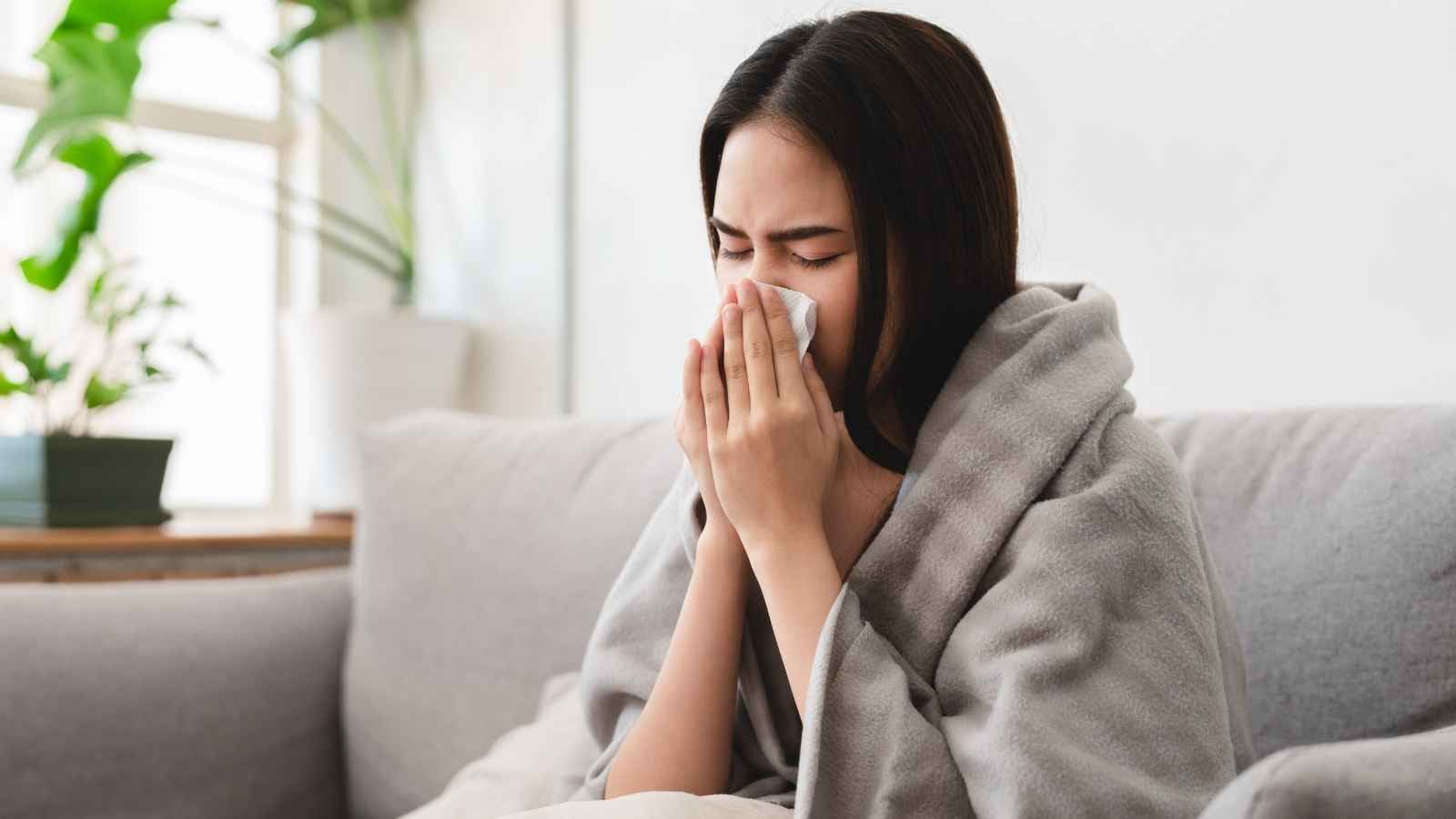
Winter air carries very little moisture, drying out the protective lining inside your nose and respiratory tract. This natural defense barrier weakens in dry conditions, allowing cold and flu viruses to enter your body much more easily. (Image: Canva)

Winter brings a surge of various pathogens, including seasonal flu, RSV, and common cold strains. Recovering from one viral infection provides zero immunity against a completely different strain, making back-to-back illnesses a frustrating reality. (Image: Canva)

Touching contaminated surfaces and rubbing your eyes or nose invites germs straight inside. Washing your hands thoroughly with soap and water for at least 20 seconds remains one of the simplest ways to block winter infections. (Image: Canva)

Defend your health by letting fresh air into your rooms daily, wearing masks in crowded indoor spots, getting restorative sleep, eating nutrient-rich whole foods, and drinking plenty of water to keep your body resilient. (Image: Canva)

Consulting your physician about the annual flu vaccine can significantly lower your risk of contracting severe seasonal influenza. It serves as an extra shield of protection during peak winter infection months. (Image: Canva)

If your illnesses are unusually frequent, linger for weeks, or are accompanied by high fevers, severe breathing difficulties, and extreme fatigue, stop waiting and consult a doctor right away instead of relying on home care. (Image: Canva)