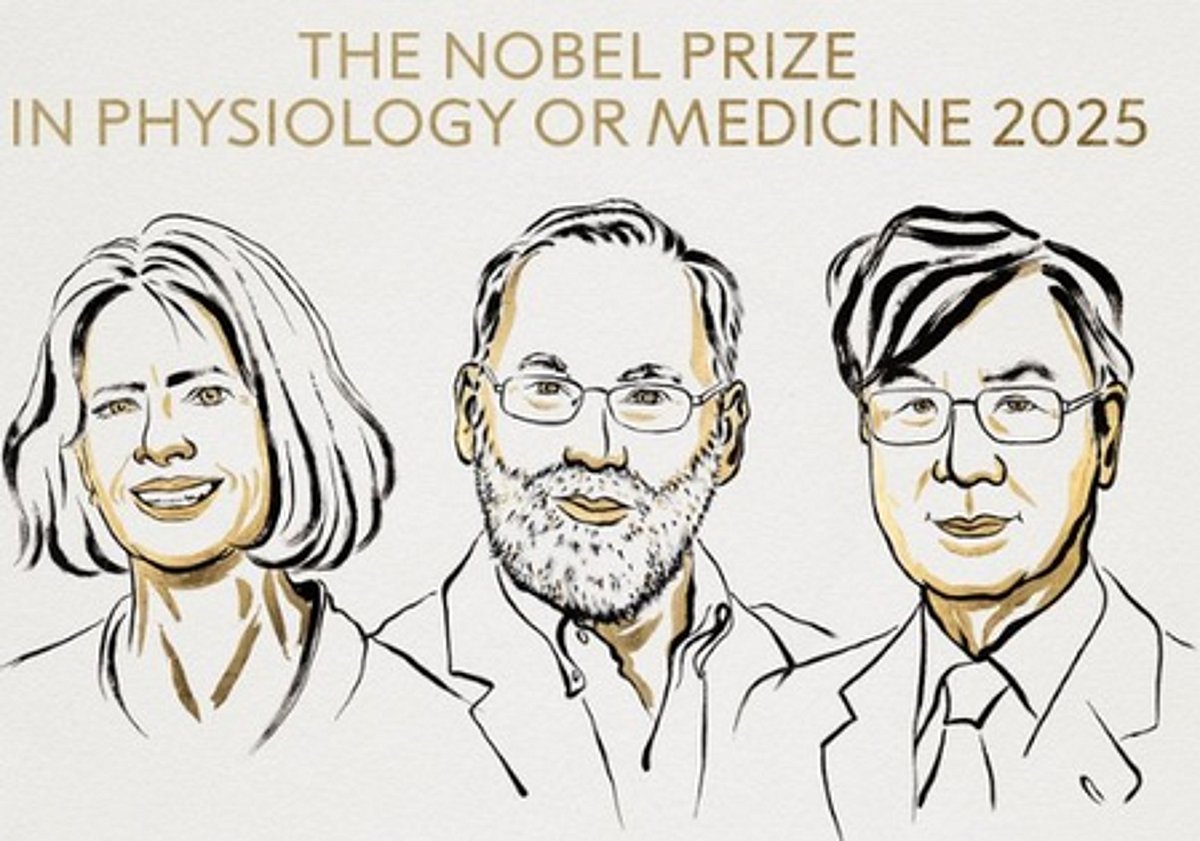

















In simple terms, this breakthrough explains how the immune system “knows when to stop.” Just as brakes prevent a car from speeding out of control, regulatory T cells keep the immune response balanced. Without them, the system can either go too far and attack healthy cells, or hold back too much, allowing infections and cancers to grow.
Think of your immune system as a vigilant security force that protects your body from invaders like viruses and bacteria. But just like any good security team, it also needs rules to make sure it doesn’t attack its own citizens — in this case, your healthy cells.
Earlier research had shown that during early development, the body removes immune cells that might attack its own tissues. This process, known as central tolerance, acts like a training school for the immune system.
The breakthrough
The new Nobel-winning discovery reveals that there is a second layer of control, known as peripheral immune tolerance, which operates outside this training system — in the body’s tissues. In this layer, a special type of cell called a regulatory T cell (Treg) works like an internal “brake.” These cells monitor immune activity and prevent overreactions that could damage healthy cells.
At the heart of this process is a gene called FOXP3, which acts as a key switch for the development and function of regulatory T cells. If this gene is defective, the “brake system” fails, and the immune system can mistakenly attack the body — leading to autoimmune diseases such as type-1 diabetes, lupus, multiple sclerosis, and rheumatoid arthritis.
In simple terms, the scientists discovered how the immune system keeps itself under control and why this mechanism sometimes breaks down. Their findings explain why some people develop autoimmune diseases and open new doors for potential treatments.