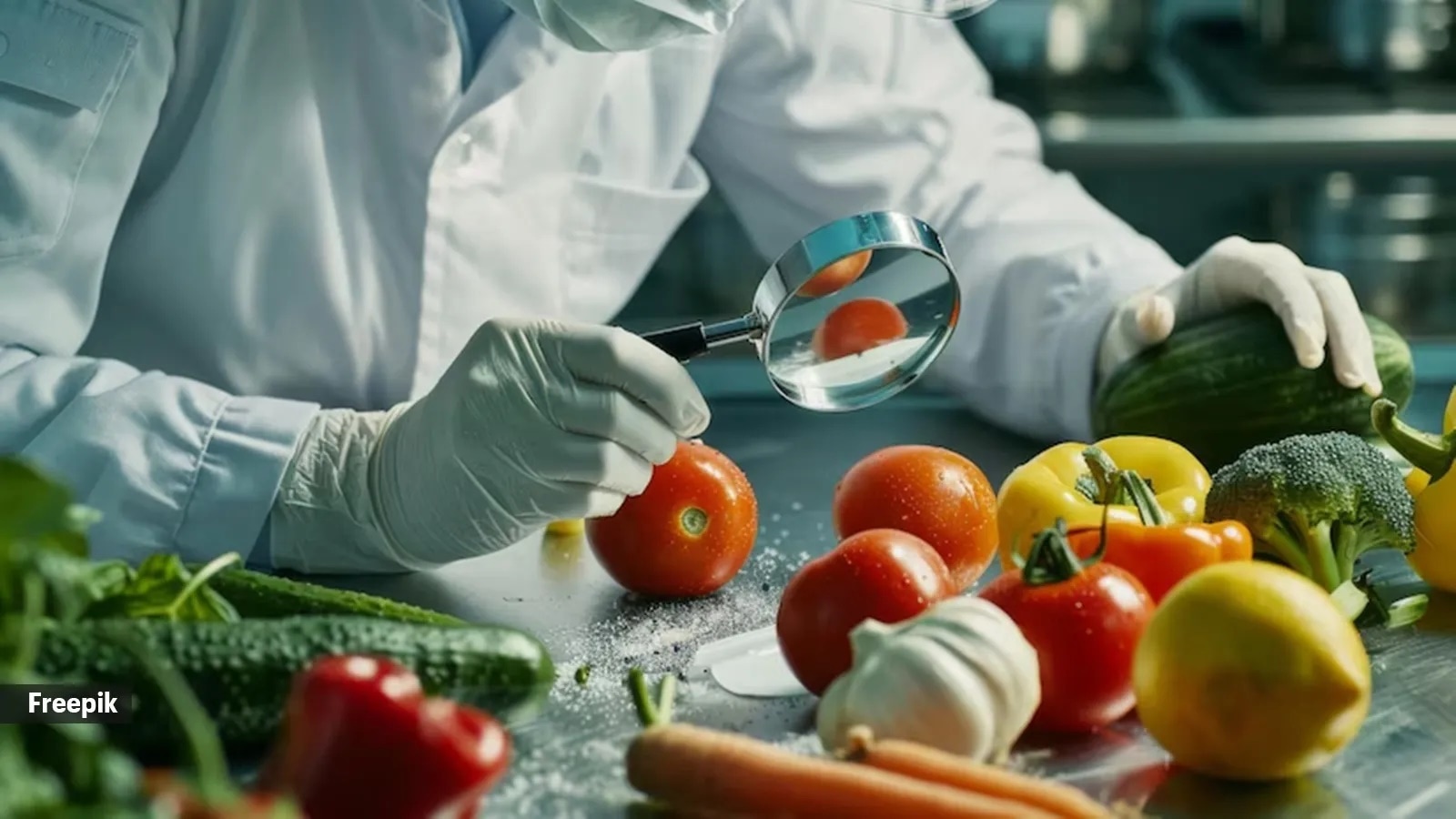



















In a move to introduce stringent hygiene measures in restaurants and eateries, Uttar Pradesh Chief Minister Yogi Adityanath has mandated food establishments to ensure both chefs and waiters wear masks and gloves while on duty. It will also be mandatory for hotels and restaurants to install CCTV cameras. This comes amid reports of food adulteration, including incidents of spitting and mixing of urine in eatables in the state, according to PTI.
Adityanath said the presence of human waste in food items was “disgusting” and ordered strict action against those who adulterate food items with human waste or dirty things, PTI quoted an official statement.

Former Rashtrapati Bhavan chef Montu Saini told indianexpress.com that such measures have already been implemented in accordance with the order of the Food Safety and Standards Authority of India. “The FSSAI has also established guidelines for medical check-ups of those handling food to ensure food safety and hygiene,” said Chef Saini.
According to FSSAI’s 2017 Safe Food Handling & Hygiene Booklet for Food Handlers
Food workers are required to keep themselves immaculately clean. “All food handlers must wear appropriate, clean attire, a face mask, gloves, a head covering, and footwear, all of which must be provided by the food business operator. The food business operator must also ensure that food handlers always cover their heads while working and use only hygienic protective clothes. Street shoes should not be worn while handling and preparing food in the kitchen,” the website reads.

It adds that proper hand washing facilities should be available along with a continuous supply of water, soap, paper towels/tissue rolls/hand dryers, or hand sanitiser. “All food handlers must use soap and water. Food handlers must wash their hands before and after handling food and, especially after using toilets, handling garbage, touching raw food of animal origin, touching animals, and touching toxic substances like disinfectants, cleaners, pesticides, etc.,” it says.
Why is it necessary to follow these practices?
Chef Saini said that good personal hygiene ensures food served to consumers is safe to eat. “These safety steps ensure that foodborne illnesses do not spread owing to lapses,” pointed out Saini, while emphasising that equal care needs to be adhered to in terms of storage of raw materials.
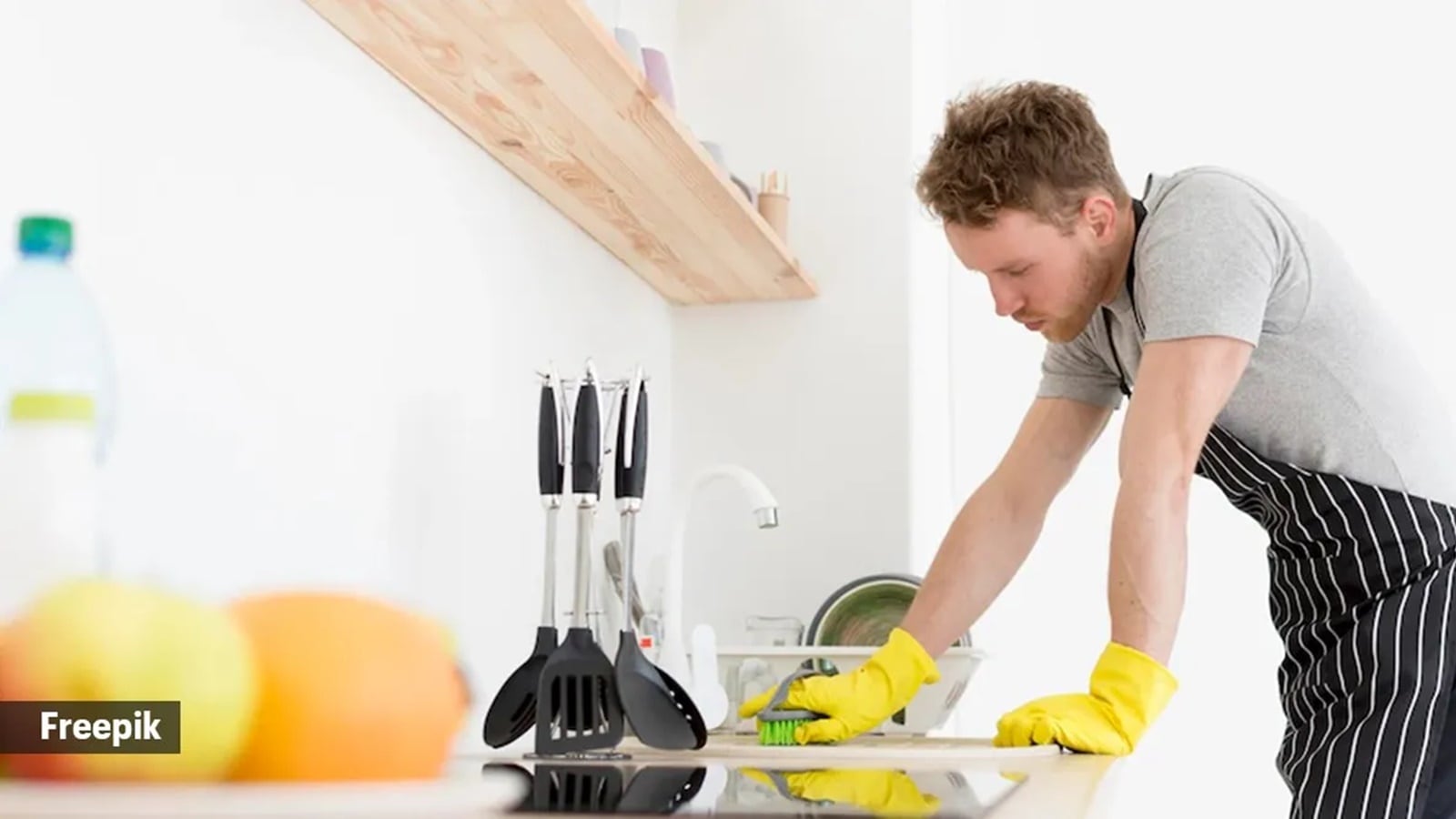 Food safety also includes hygiene practices in the cooking premises (Source: Freepik)
What more to note?
Garima Goyal, a clinical dietitian, shared that it’s also necessary to follow food packaging measures to avoid contamination. A few measures she suggested include:
– Food vendors should use suitable packaging material that is environmentally friendly and does not pose a health risk. Packaging materials like paper, plastic bags, food wraps, and aluminum foil should not be re-used to avoid cross-contamination.
– Insulated containers should be used for food items. The process helps minimise bacterial contamination.
– Perishable food items that cannot be put in refrigerators while travelling outside should be kept cold by putting in freezer gel packs or a frozen box.
– One should serve food in materials like stainless steel, dry leaves, or glass vessels to avoid germs and bacteria from entering.
DISCLAIMER: This article is based on information from the public domain and/or the experts we spoke to. Always consult your health practitioner before starting any routine.
📣 For more lifestyle news, click here to join our WhatsApp Channel and also follow us on Instagram