











![JMA – Ninja & Deep Jandu [Official MV] Kaptaan](https://i.ytimg.com/vi/-dsfIh319s0/maxresdefault.jpg "JMA – Ninja & Deep Jandu [Official MV] Kaptaan")






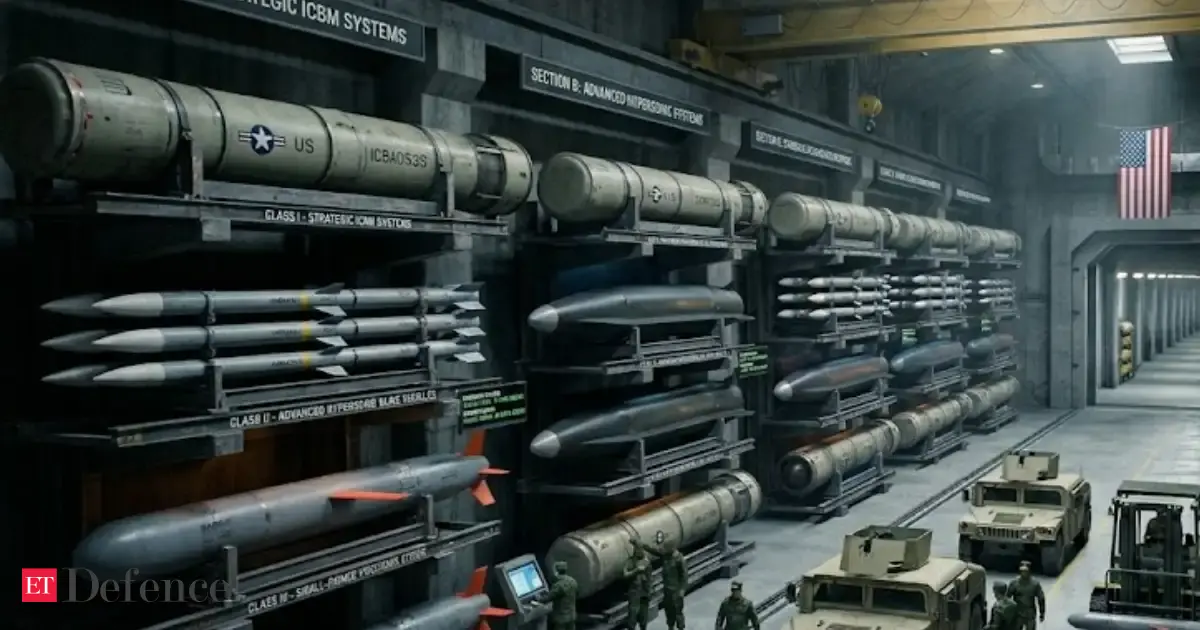
US missile stockpile depletion during Iran conflict, CSIS analysis
| Missile system | Estimated usage |
| Precision Strike Missiles | At least 45 percent |
| THAAD interceptor missiles | At least 50 percent |
| Patriot air defence interceptors | Nearly 50 percent |
| Tomahawk missiles | Approximately 30 percent |
| Joint Air-to-Surface Standoff Missiles | More than 20 percent |
| SM-3 missiles | About 20 percent |
| SM-6 missiles | About 20 percent |
Replenishment timelines and production limits
Officials and analysts told CNN that despite Pentagon contracts to expand production capacity, replacing these systems is expected to take around three to five years. Some estimates suggest that full replenishment of certain missile inventories could take up to four to five years, depending on system type and production scale.
Also Read: Indian Air Force Haryana unit stopped Pakistani missile aimed at Delhi during Op Sindoor last year, check Barak-8 features
Officials and CSIS experts told CNN that although the Pentagon has signed contracts to expand missile production, the timeline for replenishment remains long. Replacement of these systems is expected to take between three and five years even with increased manufacturing capacity. Some systems may require up to four to five years to be fully replaced.
The report also notes that near-term deliveries remain limited due to historically small procurement orders, despite recent efforts to boost production.

Readiness concerns for future conflicts
CSIS experts warned that while the US is likely to maintain sufficient munitions for ongoing operations against Iran in the short term, current stockpiles may not be adequate for a potential conflict with a near-peer adversary such as China. The analysis concludes that inventories are unlikely to return to pre-war levels for several years.
Mark Cancian, a retired US Marine Corps Colonel and co-author of the CSIS report, told CNN that heavy missile use has created a temporary vulnerability in the western Pacific. He said replenishment could take one to four years, with additional time needed to expand inventories to required levels.
Pentagon response and political context
Pentagon spokesman Sean Parnell told CNN that the US military has sufficient resources to operate at the direction of the President and continues to maintain a strong arsenal of capabilities.
President Donald Trump has also stated that the US is not facing weapon shortages, while acknowledging requests for additional funding for missile production. He said the administration aims to ensure continued readiness and preserve high-end munitions.
Warnings before and during conflict
Military leaders, including Chairman of the Joint Chiefs of Staff Gen. Dan Caine, had earlier cautioned that a prolonged conflict could strain US weapons stockpiles, particularly those supporting allies such as Israel and Ukraine.
Some lawmakers have also expressed concern about missile usage rates and long-term replenishment challenges, highlighting the scale of Iranian missile and drone capabilities and the need to ensure adequate US air defence supplies.