















The deal said to be under discussion would include a 60-day truce, the release of some hostages held by Hamas in return for hundreds of Palestinian prisoners, a surge of humanitarian aid into Gaza, and a road map toward talks on a lasting ceasefire.
Many in Prime Minister Benjamin Netanyahu’s coalition oppose such a phased deal. Israel has pressed ahead with plans to mobilize tens of thousands of reservists for an expanded offensive.
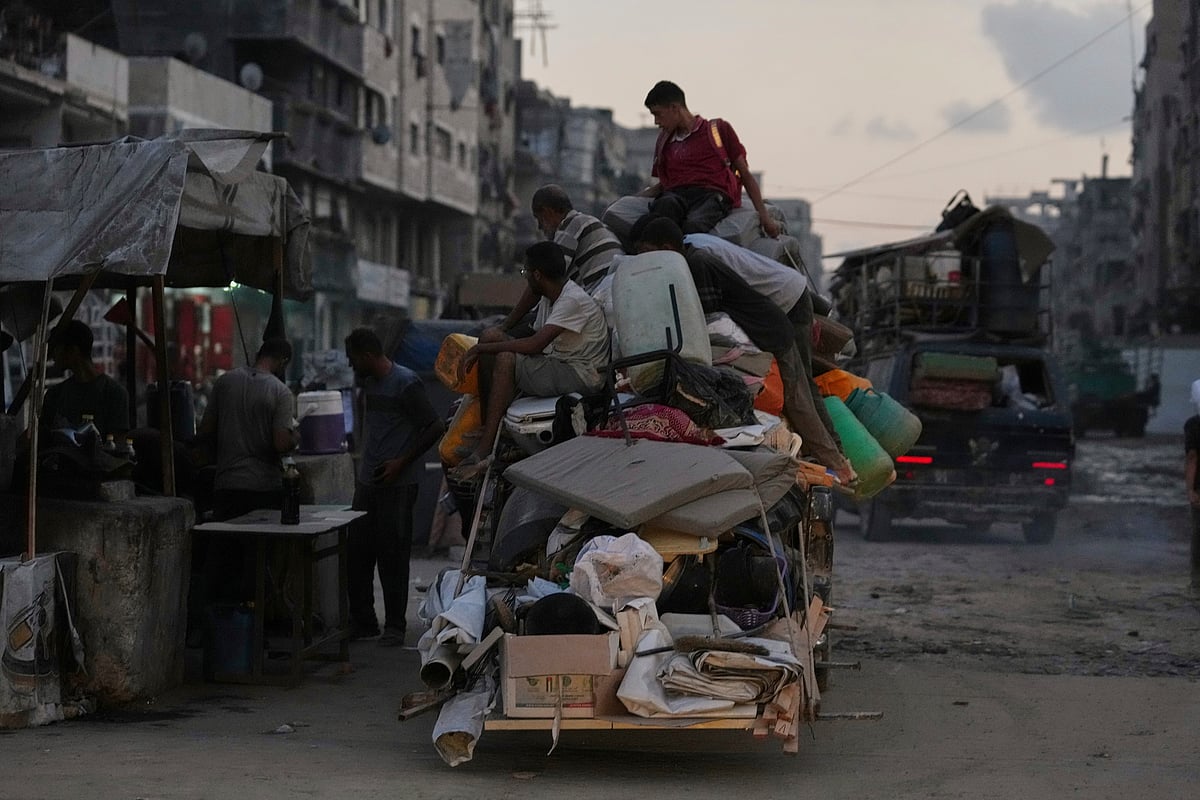
On Wednesday, hospitals reported at least 10 casualties, including one near an aid distribution site in central Gaza and at a displacement camp in southern Gaza.
An Israeli strike killed three people, including a child and a woman, and injured 21 others when it hit displaced people’s tents in Khan Younis overnight on Wednesday, the Kuwait Specialized Field Hospital said. Three separate Israeli strikes killed at least six others in Khan Younis, Nasser Hospital said on Wednesday.
Israel’s military did not immediately respond to questions about the strikes. Its military offensive has killed more than 62,819 Palestinians, according to Gaza’s Health Ministry, which does not say how many were fighters or civilians but says around half were women and children.
The ministry is part of the Hamas-run government and staffed by medical professionals. The U.N. and independent experts consider it the most reliable source on war casualties. Israel disputes its figures but has not provided its own.
Hamas-led militants abducted 251 people and killed around 1,200 people, mostly civilians, in the Oct. 7, 2023, attack that triggered the war. Most of the hostages have been released in ceasefires or other deals but 50 remain inside Gaza, around 20 of them believed by Israel to be alive.
Protests have swelled in Israel, with families of hostages and their supporters urging a ceasefire. The government argues that a broadened offensive is the best way to bring them home and cripple Hamas’ capacity to launch such attacks again.