

















Life transitions and mental health
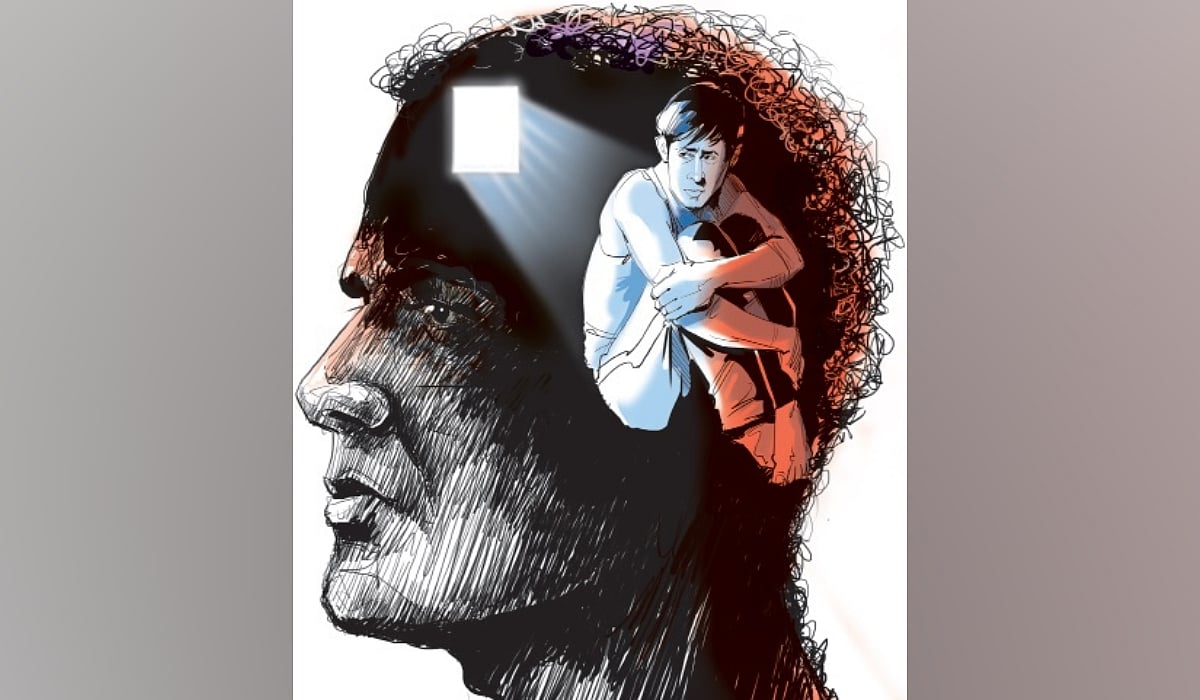
Significant life changes, including marriage, divorce, or the loss of loved ones, can disrupt social networks and create stress, amplifying loneliness. Mental health issues like depression and anxiety also play a role, as they reduce self-esteem and confidence, leading to isolation. Physical health challenges, such as chronic illnesses or disabilities, further limit opportunities for social engagement.
Economic and digital factors
Urbanisation has created densely populated but individualistic environments where community ties are weak. The rise of social media has also transformed interactions, favouring online communication over face-to-face connections, which often diminishes the quality of relationships.
The impact
Loneliness profoundly affects both mental and physical health:
Mental health: Loneliness contributes to depression, anxiety, and cognitive decline, including risks of dementia due to a lack of mental stimulation and chronic stress.
Physical health: Studies link loneliness to cardiovascular issues such as high blood pressure, heart disease, and weakened immunity. Stress-related sleep disturbances, such as insomnia, are also common.
Behavioral consequences: Loneliness can lead to substance abuse, unhealthy eating habits, and reduced physical activity. Social withdrawal becomes more common, further straining relationships and exacerbating isolation.
Increased mortality risk: Loneliness is now recognised as a serious risk factor for early mortality, akin to smoking or obesity.