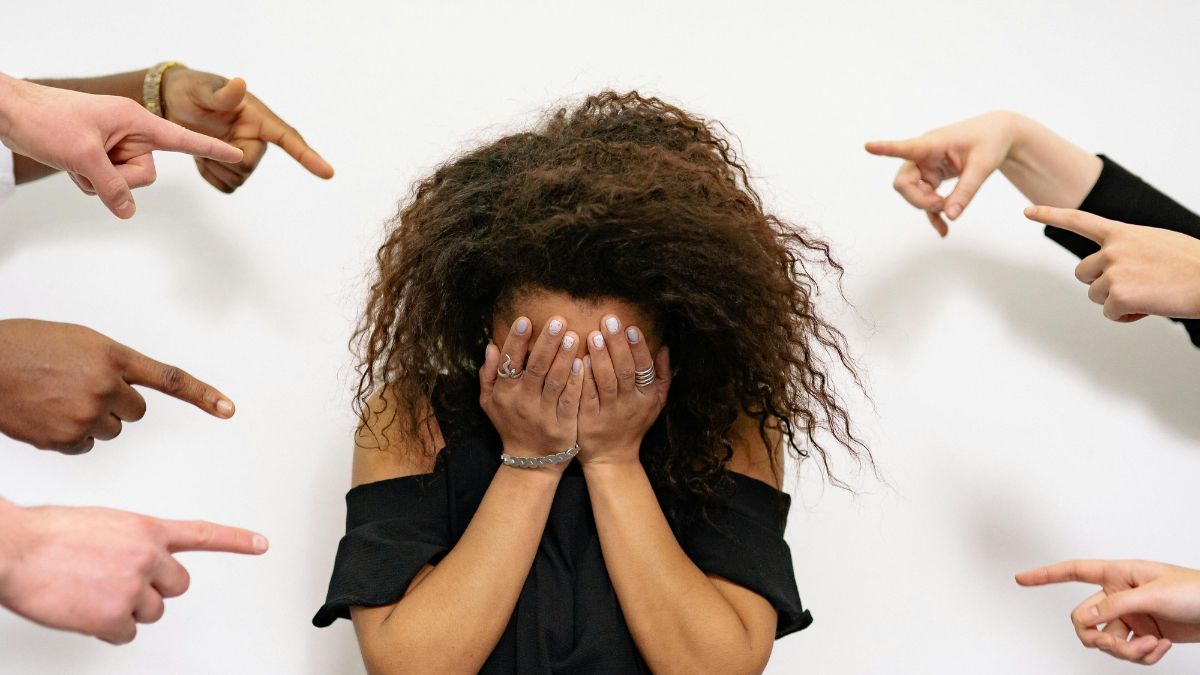
















Bullying hurts more than just feelings. A child psychiatrist explains when kids should push back, why self-defence matters, and how schools can support them.
Bullying continues to be one of the toughest challenges children face in schools today. Parents often struggle with a critical question: Should my child fight back, or walk away? While many encourage ignoring or reporting bullies, others believe that standing up, and sometimes even physically, helps children build confidence.
To address this sensitive issue, Dr. Pavitra Shankar, Associate Consultant – Psychiatry at Aakash Healthcare, shares her expert perspective. Her advice is crucial for parents trying to guide their children through schoolyard conflicts.
Also read: Expert says children too have panic attacks, ways to reduce anxiety
Standing up to bullies: Why confidence matters for kids
Dr. Shankar explains that ignoring physical aggression may not always protect children.
“In my opinion, yes, kids should fight back. Children feel better when they stand up for themselves and are less likely to be targeted the next time.”
From her clinical experience, bullies often repeat their behaviour if they sense no resistance.
“If a bully learns that they can shove or hit another child without resistance, they often repeat the behaviour. But if the child pushes back, the aggressor quickly realises they cannot get away with it.”
For children, this act of self-defence can boost confidence and reduce repeated targeting.
Self-defence vs violence: Understanding the fine line
While Dr Shankar supports self-defence, she makes an important distinction:
“I do not advocate violence, nor do I suggest children should initiate fights or respond excessively. What I do believe is that there is a place for self-defence. Pushing back against someone who has intentionally hurt them is completely acceptable.”
This approach empowers children to set healthy boundaries without encouraging aggression. Parents should guide children to recognise the difference between defending themselves and starting a fight.
Also read: Bullying: How it can lead to mental distress and suicide in children
How schools can support children facing bullying
Empowering children is only part of the solution. Schools must take responsibility for ensuring safety.
- Create clear anti-bullying policies
- Encourage children and bystanders to report incidents
- Reduce the invisibility of bullying by open discussion
“Schools should support children who resist physical aggression by not punishing them. If someone reacts by pushing or hitting back when they are physically attacked, they should not be punished,” says Dr. Shankar.
She adds that even bullies should sometimes be guided rather than punished harshly, especially if it’s a one-time incident. Reflection and behavioural correction should be the first step.
Teaching respect, resilience, and healthy boundaries
At its core, this conversation isn’t about promoting fighting. It’s about teaching resilience, courage, and balance.
“The goal is not to promote fighting, but to teach children self-respect, courage, and healthy boundaries.”
For parents, this means:
- Teaching children safe self-defence
- Encouraging them to report bullying
- Helping them recognise when to walk away
- Reminding them that standing up doesn’t mean turning violent
Bullying is an emotional challenge for both children and parents. With expert guidance, children can learn to set healthy boundaries, defend themselves when necessary, and grow into confident individuals who know the value of respect.