








![JMA – Ninja & Deep Jandu [Official MV] Kaptaan](https://i.ytimg.com/vi/-dsfIh319s0/maxresdefault.jpg "JMA – Ninja & Deep Jandu [Official MV] Kaptaan")






The Reserve Bank of India’s Monetary Policy Committee (MPC) opted to maintain the status quo on interest rates, with minutes revealing that the West Asia crisis and its potential impact on inflation and economic growth were primary concerns influencing the decision.

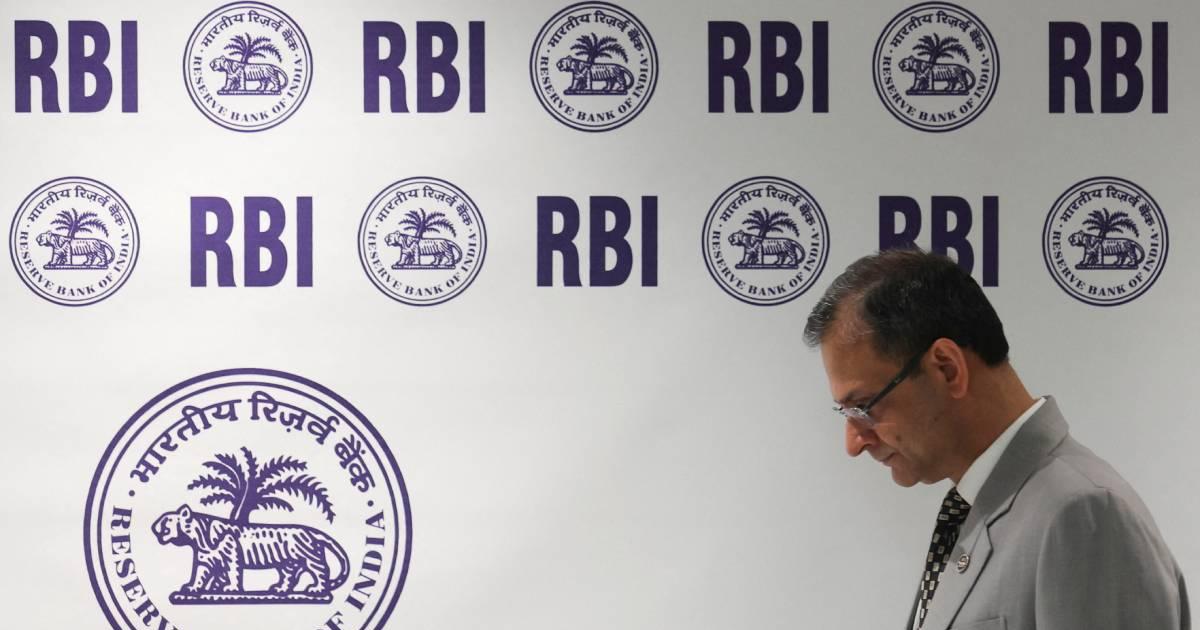
IMAGE: Reserve Bank of India Governor Sanjay Malhotra. Photograph: Francis Mascarenhas/Reuters
Key Points
- The RBI’s Monetary Policy Committee (MPC) unanimously voted to keep the benchmark repurchase rate unchanged at 5.25 per cent due to uncertainties from the West Asia conflict.
- RBI Governor Sanjay Malhotra highlighted that the West Asia conflict poses significant challenges to the Indian economy through exports, commodity supplies, elevated energy prices, and disrupted trade flows.
- MPC members expressed concerns that prolonged geopolitical uncertainties could lead to supply chain disruptions, posing downside risks to growth and upside risks to inflation.
- The global economic outlook, which was buoyant earlier, has deteriorated significantly due to the West Asia conflict, impacting international energy prices and global trade.
- Prudence dictates a status quo on monetary policy action in the current highly uncertain economic environment, with risks of policy mistakes heightened amidst the uncertainty.
Uncertainties triggered by the West Asia crisis and its impact on inflation, as well as growth, weighed on the RBI monetary setting panel members’ decision as they voted for the status quo on interest rates this month, according to the MPC meeting minutes released on Wednesday.
Following the three-day meeting, the RBI’s Monetary Policy Committee (MPC) kept its key policy rate unchanged on April 8, adopting a cautious wait-and-watch stance as policymakers assessed the fallout from the Iran conflict on energy supplies, inflation and growth.
RBI’s Stance Amidst Geopolitical Tensions
RBI Governor Sanjay Malhotra headed a six-member MPC voted unanimously to keep the benchmark repurchase rate at 5.25 per cent, flagging heightened uncertainty after the West Asia conflict drove crude prices sharply higher, a weak rupee and disrupted trade flows.
The RBI’s policy stance was retained at neutral.
Malhotra opined that the West Asia conflict poses challenges to the Indian economy through a number of channels — exports, supply of critical commodities, elevated energy and other commodity prices, remittances, uncertainty, and subdued global demand.
Overall, geopolitical uncertainties have intensified, with the conflict widening its spread over the last month, he said.
As a result, supply chain disruptions, which may take longer to subside fully and restore the logistics network, pose downside risks to the growth and upside risks to inflation.
“As for monetary policy, this represents a supply shock. The underlying inflation pressures, minus the shock, are contained.
“If the conflict remains unresolved for a long duration, it can make the task of central banks arduous in their endeavour to rein in inflation expectations while minimising growth sacrifice,” the minutes quoted Malhotra as saying.
MPC Members’ Perspectives
MPC member and RBI Deputy Governor Poonam Gupta opined that under the circumstances, central banks need to continue to play a conducive role in supporting the productive requirements of the economy.
“Constant vigil is warranted while waiting to ascertain the persistence of the supply shock, if any,” she said.
RBI executive director and rate-setting panel member Indranil Bhattacharyya noted that the global economic outlook, which was buoyant till the February MPC meeting, has deteriorated significantly after the outbreak of the West Asia conflict.
The consequent disruption in the logistics network has not only triggered a sharp increase in international energy prices, but it has also choked global trade flows, particularly those transiting through the Strait of Hormuz, which accounts for about half of India’s energy imports, he said.
While three members of the MPC are RBI officials, the other three are nominated by the government.
The external members are Nagesh Kumar (director and chief executive, Institute for Studies in Industrial Development, New Delhi); Saugata Bhattacharya (economist, Mumbai) and Ram Singh (director, Delhi School of Economics, Delhi).
Economic Outlook and Policy Prudence
According to the minutes, Kumar said the April 2026 MPC meeting is taking place against the backdrop of the West Asia conflict, dramatically clouding the economic outlook for the global economy with significant spillovers for the Indian economic outlook for 2026-27.
At the time of the February 2026 MPC meeting, the outlook for the Indian economy seemed to have brightened considerably with the conclusion of the long-pending EU-India FTA negotiations on 27 January, the withdrawal of high Trump tariffs on exports to the US in February, and boosted by the Union Budget 2026-27 proposals, while inflation remained benign.
In the current highly uncertain economic environment, prudence requires a status quo on monetary policy action, he said.
Bhattacharya said that despite tentative indications of a cessation of hostilities in the West Asia conflict and a consequent easing of tight global financial conditions, uncertainty regarding persisting dislocations of global supply chains remains heightened.
He further said monetary policy cannot influence energy prices, but can facilitate the process of economic adjustment in a way that sustainably achieves inflation targets.
“For me, the risks of a policy mistake have heightened amidst this uncertainty.
“Arguments for increasing the policy rate in anticipation of higher inflation are as risky as cutting rates in response to a fear of lower growth. Quantifying the glide path along a precise timeline is not an exact science,” Bhattacharya added.
Ram Singh noted that the turmoil in the Strait of Hormuz is a drag on growth directly through oil supply disruptions and their effect on demand. This, along with disruptions in key shipping lines, has dampened the growth prospects of the global economy and Indian exports.
As of April 2026, the real GDP growth forecast for 2026-27 in Q1 is at 6.8 per cent, Q2 at 6.7 per cent, Q3 at 7.0 per cent, and Q4 at 7.2 per cent.
The real GDP growth for 2026-27 is projected at 6.9 per cent, with downside risks increasing as the conflict persists.
“As per my assessment, the growth forecast is lower by 50-60 bps as of now due to the West Asia conflict,” Singh said, as he voted in favour of the status quo on repo rate.
Background
Uncertainties triggered by the West Asia crisis and its impact on inflation, as well as growth, weighed on the RBI monetary setting panel members’ decision as they voted for the status quo on interest rates this month, according to the MPC meeting minutes released on Wednesday.
Following the three-day meeting, the RBI’s Monetary Policy Committee (MPC) kept its key policy rate unchanged on April 8, adopting a cautious wait-and-watch stance as policymakers assessed the fallout from the Iran conflict on energy supplies, inflation and growth.
RBI Governor Sanjay Malhotra headed a six-member MPC voted unanimously to keep the benchmark repurchase rate at 5.25 per cent, flagging heightened uncertainty after the West Asia conflict drove crude prices sharply higher, a weak rupee and disrupted trade flows.
The RBI’s policy stance was retained at neutral.
Malhotra opined that the West Asia conflict poses challenges to the Indian economy through a number of channels — exports, supply of critical commodities, elevated energy and other commodity prices, remittances, uncertainty, and subdued global demand.
Overall, geopolitical uncertainties have intensified, with the conflict widening its spread over the last month, he said.
As a result, supply chain disruptions, which may take longer to subside fully and restore the logistics network, pose downside risks to the growth and upside risks to inflation.
“As for monetary policy, this represents a supply shock.
“The underlying inflation pressures, minus the shock, are contained.
“If the conflict remains unresolved for a long duration, it can make the task of central banks arduous in their endeavour to rein in inflation expectations while minimising growth sacrifice,” the minutes quoted Malhotra as saying.
MPC member and RBI Deputy Governor Poonam Gupta opined that under the circumstances, central banks need to continue to play a conducive role in supporting the productive requirements of the economy.
“Constant vigil is warranted while waiting to ascertain the persistence of the supply shock, if any,” she said.
RBI executive director and rate-setting panel member Indranil Bhattacharyya noted that the global economic outlook, which was buoyant till the February MPC meeting, has deteriorated significantly after the outbreak of the West Asia conflict.
The consequent disruption in the logistics network has not only triggered a sharp increase in international energy prices, but it has also choked global trade flows, particularly those transiting through the Strait of Hormuz, which accounts for about half of India’s energy imports, he said.
While three members of the MPC are RBI officials, the other three are nominated by the government.
The external members are Nagesh Kumar (director and chief executive, Institute for Studies in Industrial Development, New Delhi); Saugata Bhattacharya (Economist, Mumbai) and Ram Singh (director, Delhi School of Economics, Delhi).
According to the minutes, Kumar said the April 2026 MPC meeting is taking place against the backdrop of the West Asia conflict, dramatically clouding the economic outlook for the global economy with significant spillovers for the Indian economic outlook for 2026-27.
At the time of the February 2026 MPC meeting, the outlook for the Indian economy seemed to have brightened considerably with the conclusion of the long-pending EU-India FTA negotiations on 27 January, the withdrawal of high Trump tariffs on exports to the US in February, and boosted by the Union Budget 2026-27 proposals, while inflation remained benign.
In the current highly uncertain economic environment, prudence requires a status quo on monetary policy action, he said.
Bhattacharya said that despite tentative indications of a cessation of hostilities in the West Asia conflict and a consequent easing of tight global financial conditions, uncertainty regarding persisting dislocations of global supply chains remains heightened.
He further said monetary policy cannot influence energy prices, but can facilitate the process of economic adjustment in a way that sustainably achieves inflation targets.
“For me, the risks of a policy mistake have heightened amidst this uncertainty. Arguments for increasing the policy rate in anticipation of higher inflation are as risky as cutting rates in response to a fear of lower growth. Quantifying the glide path along a precise timeline is not an exact science,” Bhattacharya added.
Ram Singh noted that the turmoil in the Strait of Hormuz is a drag on growth directly through oil supply disruptions and their effect on demand. This, along with disruptions in key shipping lines, has dampened the growth prospects of the global economy and Indian exports.
As of April 2026, the real GDP growth forecast for 2026-27 in Q1 is at 6.8 per cent, Q2 at 6.7 per cent, Q3 at 7.0 per cent, and Q4 at 7.2 per cent.
The real GDP growth for 2026-27 is projected at 6.9 per cent, with downside risks increasing as the conflict persists.
“As per my assessment, the growth forecast is lower by 50-60 bps as of now due to the West Asia conflict,” Singh said, as he voted in favour of the status quo on repo rate.