








![JMA – Ninja & Deep Jandu [Official MV] Kaptaan](https://i.ytimg.com/vi/-dsfIh319s0/maxresdefault.jpg "JMA – Ninja & Deep Jandu [Official MV] Kaptaan")






Punjab’s government deaddiction and rehabilitation centres report a sharp rise in admissions, with 164% growth in 2025 and strong OOAT clinic uptake, reflecting broader acceptance of formal treatment under the Yudh Nasheyan Virudh initiative and related pillars of prevention, treatment, and enforcement.
India
-Oneindia Staff

Punjab’s government-run de-addiction and rehabilitation centres have recorded a sharp rise in admissions, indicating growing acceptance of formal treatment for substance-use disorders. Admissions at government de-addiction centres increased from 9,577 in 2024 to 25,290 in 2025, registering a rise of over 164%. More than 14,000 people had already been admitted till July 2026.
The increase comes after the launch of the Punjab government’s ‘Yudh Nasheyan Virudh’ campaign in March 2025, with treatment and rehabilitation forming key pillars of the state’s anti-drug strategy. Government rehabilitation centres also witnessed a significant increase in admissions, from 2,644 in 2024 to 8,574 in 2025, a growth of more than 224%. Over 5,800 people had been admitted to these centres by July 2026.
Punjab’s government deaddiction and rehabilitation centres report a sharp rise in admissions, with 164% growth in 2025 and strong OOAT clinic uptake, reflecting broader acceptance of formal treatment under the Yudh Nasheyan Virudh initiative and related pillars of prevention, treatment, and enforcement.
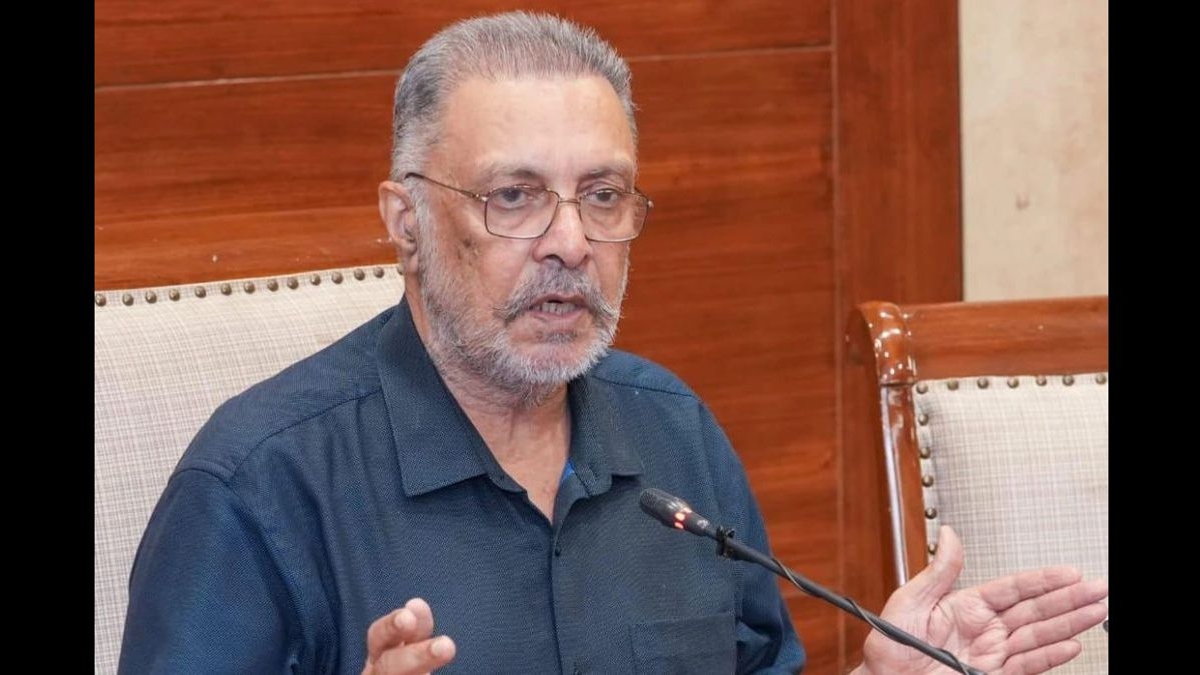
The state’s outpatient treatment network has also expanded. New registrations at Outpatient Opioid-Assisted Treatment (OOAT) clinics rose from 13,033 in 2024 to 17,702 in 2025, with more than 12,500 new registrations recorded till August this year. Health and Family Welfare Minister Dr Balbir Singh said the rise in admissions was among the most encouraging indicators of the campaign, suggesting that more individuals and families were coming forward to seek institutional support.
He said the government’s strategy rests on three pillars-action against drug traffickers, treatment and rehabilitation of affected people, and prevention among children-with the broader objective of helping people overcome addiction and return to healthier lives. The state also said that, as of August 27, more than 11,000 people had been granted immunity under Section 64A of the NDPS Act, which provides legal protection in specified cases involving drug dependence and treatment.