














Fuel prices in India continue to climb, with petrol and diesel seeing another hike, impacting consumers amid ongoing global energy concerns.

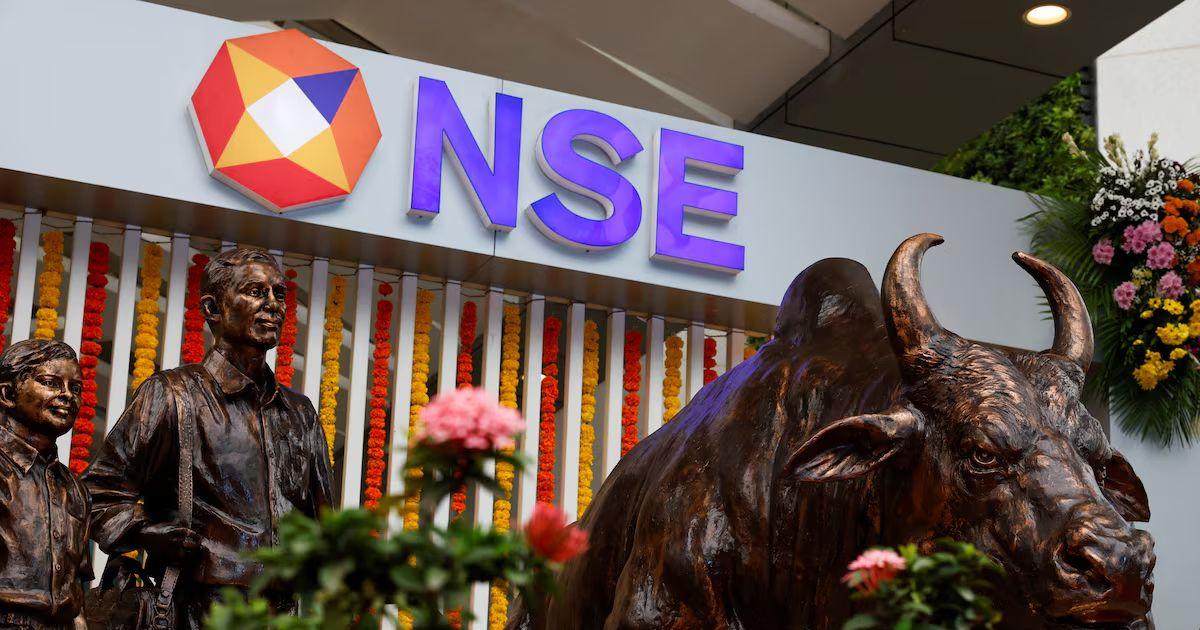
IMAGE: This is the third fuel price increase in India since May 15. Photograph: ANI Photo
Key Points
- Petrol prices in Delhi increased by 87 paise to Rs 99.51 per litre.
- Diesel prices in Delhi rose by 91 paise to Rs 92.49 per litre.
- State-owned oil companies are passing on elevated energy prices due to the West Asia conflict.
- Fuel prices have increased by almost Rs 5 per litre in total.
Petrol and diesel prices were raised by 87-91 paise per litre on Saturday, taking the cumulative increase in retail fuel rates to nearly Rs 5 a litre in under 10 days as state-owned firms passed on soaring international oil prices.
Alongside, compressed natural gas (CNG) prices were raised by Re 1 per kg, marking the third increase in recent days and taking the cumulative hike to Rs 4 per kg.
The latest revision pushed petrol prices higher by 87 paise per litre and diesel by up to 91 paise across the country, according to industry sources.


This is the third increase in CNG prices, and together with the earlier hikes of Rs 2 per kg on May 15 and Re 1 per kg on May 17, it takes the cumulative increase to Rs 4 per kg. On all three occasions, private fuel retailers like Nayara Energy swiftly matched the price increases announced by their state-owned rivals, raising petrol and diesel rates by a similar quantum. The latest increases came on top of hikes effected earlier by private retailers ahead of the first fuel price revision on May 15 by state-run oil companies.
Impact on Fuel Retailers and Consumers
Nayara Energy had raised petrol and diesel prices by Rs 5 and Rs 3 per litre, respectively, in March, while Shell increased petrol prices by Rs 7.41 a litre and diesel by as much as Rs 25 per litre from April 1.
Jio-BP, the fuel retailing joint venture of Reliance Industries Ltd and BP Plc, has, however, moved rates at its pumps in tandem with PSUs.
After Saturday’s increase, petrol at PSU pumps in Mumbai now costs Rs 108.49 per litre and diesel Rs 95.02, and Kolkata prices rose to Rs 110.64 and Rs 97.02, respectively.
In Chennai, petrol is priced at Rs 105.31 and diesel at Rs 96.98. Prices vary across states due to local taxes.
State-owned Indian Oil Corporation (IOC), Bharat Petroleum Corporation Ltd (BPCL) and Hindustan Petroleum Corporation Ltd (HPCL) together control 90 per cent of India’s fuel market.
Global Factors and Government Response
The back-to-back increases come after global crude oil prices surged more than 50 per cent since late February, following US-Israeli strikes on Iran and disruptions to shipments through the Strait of Hormuz, a critical global oil transit route.
Fuel retailers had kept pump prices low despite rising input costs, a move the government said was aimed at shielding consumers from inflation.
Opposition parties, however, accused the government of delaying price revisions until after key state elections.
The May 15 increase came after the ruling Bharatiya Janata Party (BJP) expanded its electoral footprint by winning three of five state and UT elections, including West Bengal.
Despite the hikes, fuel retailers continue to absorb significant losses.
Petroleum Ministry’s Joint Secretary Sujata Sharma had earlier this week stated that the May 15 increase reduced losses by about a fourth, but state-run oil firms were still losing around Rs 750 crore per day.
According to Crisil, oil marketing companies were losing about Rs 10 per litre on petrol and Rs 13 per litre on diesel even after the earlier hike.
Petrol and diesel prices are now at their highest levels since May 2022.
Rates had remained frozen since April 2022 except for a Rs 2-per-litre cut in March 2024 ahead of national elections.
Economic Implications and Conservation Efforts
The fuel price increases come amid broader efforts by the government to contain India’s oil import bill and reduce fuel consumption.
Prime Minister Narendra Modi, last week, urged citizens and government departments to conserve fuel, encourage remote working and reduce non-essential travel as elevated energy prices pressure foreign exchange reserves and threaten to widen the current account deficit.
Several state governments have already directed departments to curb travel and reduce office attendance.
Compressed natural gas (CNG) prices have also risen by Rs 3 per kg in two instalments within this period.
Industry officials said the latest revisions appeared calibrated to partially ease pressure on oil companies without triggering a sharp inflation shock, though they acknowledged that the increases would add to price pressures.
India’s retail inflation accelerated to 3.48 per cent in April from 3.40 per cent in March, while wholesale inflation climbed to a 42-month high of 8.3 per cent, driven largely by higher fuel and energy costs.