








![JMA – Ninja & Deep Jandu [Official MV] Kaptaan](https://i.ytimg.com/vi/-dsfIh319s0/maxresdefault.jpg "JMA – Ninja & Deep Jandu [Official MV] Kaptaan")


Last Updated:
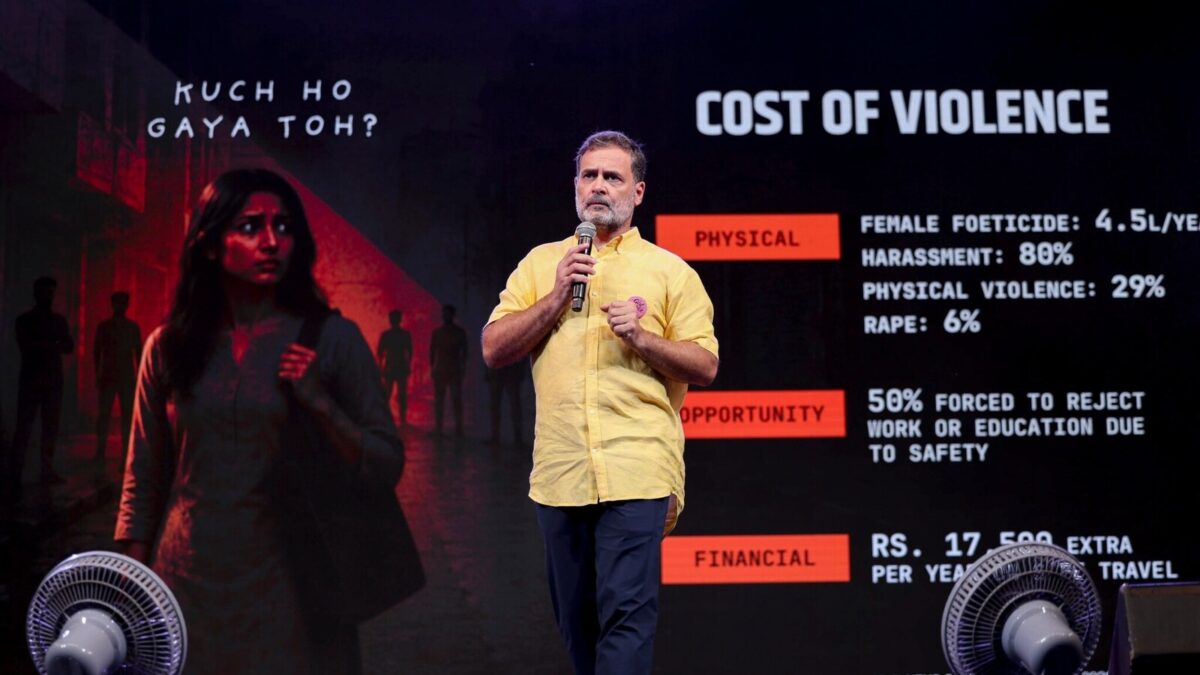
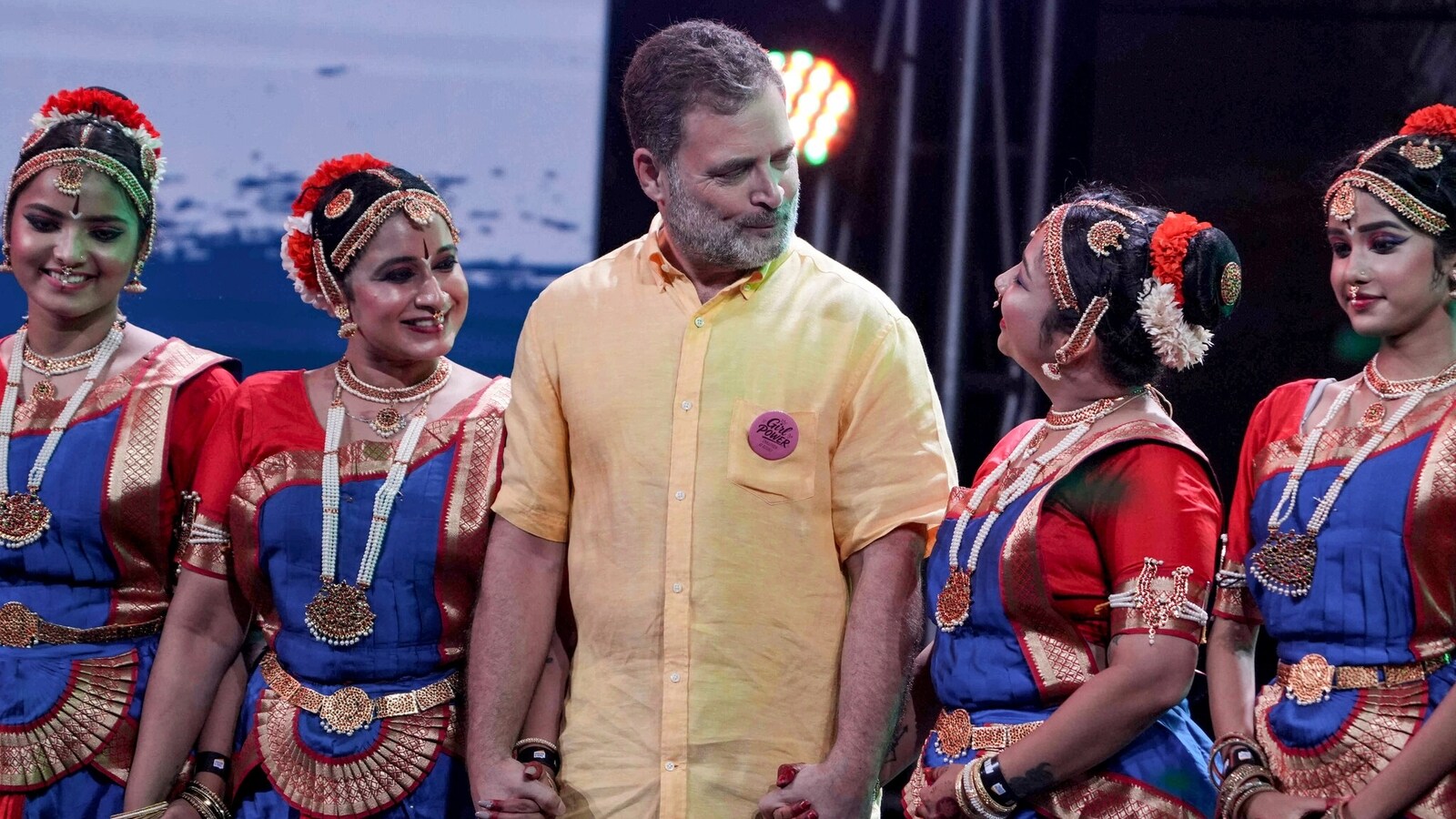
Speaking at the female-focused edition of his Chhatron Ki Goonj programme in Pune, Rahul Gandhi said women should have the freedom to decide the direction of their own lives




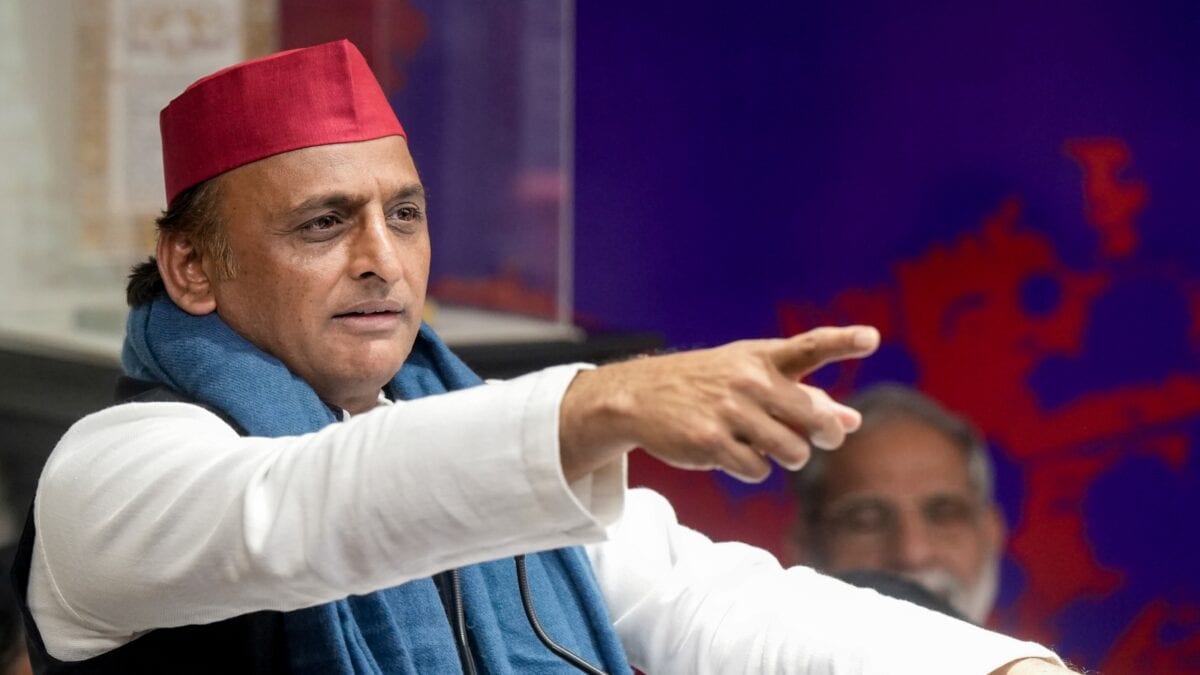
During the interaction, Gandhi highlighted several challenges faced by women, including violence, disrespect, social control and limited opportunities in education, employment and public life. Image/PTI
Congress leader and Leader of Opposition in the Lok Sabha Rahul Gandhi has called for women to break free from social, economic and psychological restrictions, arguing that a woman’s identity must not be reduced to her roles as a daughter, wife, mother or sister.
Speaking at the female-focused edition of his Chhatron Ki Goonj programme in Pune on Saturday, Gandhi said women should have the freedom to decide the direction of their own lives.
“The woman belongs to herself first,” Gandhi said, placing individual identity and autonomy ahead of traditional family roles.
Gandhi targets Manusmriti over women’s status
Gandhi also sharply criticised the Manusmriti, referring to its prescriptions concerning women’s dependence on male relatives. He described the idea that women should remain under the authority of their fathers, husbands or sons as unacceptable and argued that such thinking has contributed to restrictive social attitudes.
VIDEO | Pune: Addressing ‘ Chhatron Ki Goonj programme’ Congress MP and Lok Sabha LoP Rahul Gandhi says, “The Manusmriti, says, in childhood a female belongs to her father. In youth she belongs to her husband. When her Lord is dead, she belongs to her sons. A woman must never be… pic.twitter.com/Bdfs20txeC— Press Trust of India (@PTI_News) August 22, 2026
His remarks were framed around the event’s central theme of “breaking the cage”—a metaphor for the social expectations and controls that, he said, prevent women from reaching their full potential.
Gandhi stressed that there is nothing inherently wrong with being a daughter, sister, wife or mother. The problem, he argued, arises when those roles become the boundaries of a woman’s identity.
From safety to opportunity, barriers remain
During the interaction, Gandhi highlighted several challenges faced by women, including violence, disrespect, social control and limited opportunities in education, employment and public life.
Rather than delivering a conventional political speech, he said he wanted to listen to young women and understand their experiences, concerns and ambitions.
He described India’s women as one of the country’s greatest strengths, pointing to the scale and diversity of their aspirations. His emphasis was on self-belief and the freedom to make personal choices about careers, relationships and the future.
A political message with a wider social argument
The Pune event also carried clear political undertones. Gandhi’s criticism of the Manusmriti and his broader attack on patriarchal thinking fit into the Congress leader’s continuing emphasis on social equality and individual rights.
For the young women gathered at the event, however, his central message was broader than party politics: social expectations should not become a cage, and family relationships should not determine the limits of a woman’s freedom.
By putting women’s autonomy at the centre of his Pune interaction, Gandhi sought to turn a familiar political debate over tradition and social hierarchy into a more personal question—who gets to decide what a woman’s life should look like?
Key Questions Answered
 Ask News18
The Manusmriti is criticised for its prescriptions regarding women’s dependence on male relatives, stating that women should never be independent and must be protected by their father in childhood, husband in youth, and sons in old age. It is also alleged to promote caste discrimination in education.
Ask News18About the Author

Pathikrit Sen Gupta is a Senior Associate Editor with News18.com and likes to cut a long story short. He writes sporadically on Politics, Sports, Global Affairs, Space, Entertainment, And Food. He tra…Read More
August 23, 2026, 03:12 IST
Read More