












![JMA – Ninja & Deep Jandu [Official MV] Kaptaan](https://i.ytimg.com/vi/-dsfIh319s0/maxresdefault.jpg "JMA – Ninja & Deep Jandu [Official MV] Kaptaan")



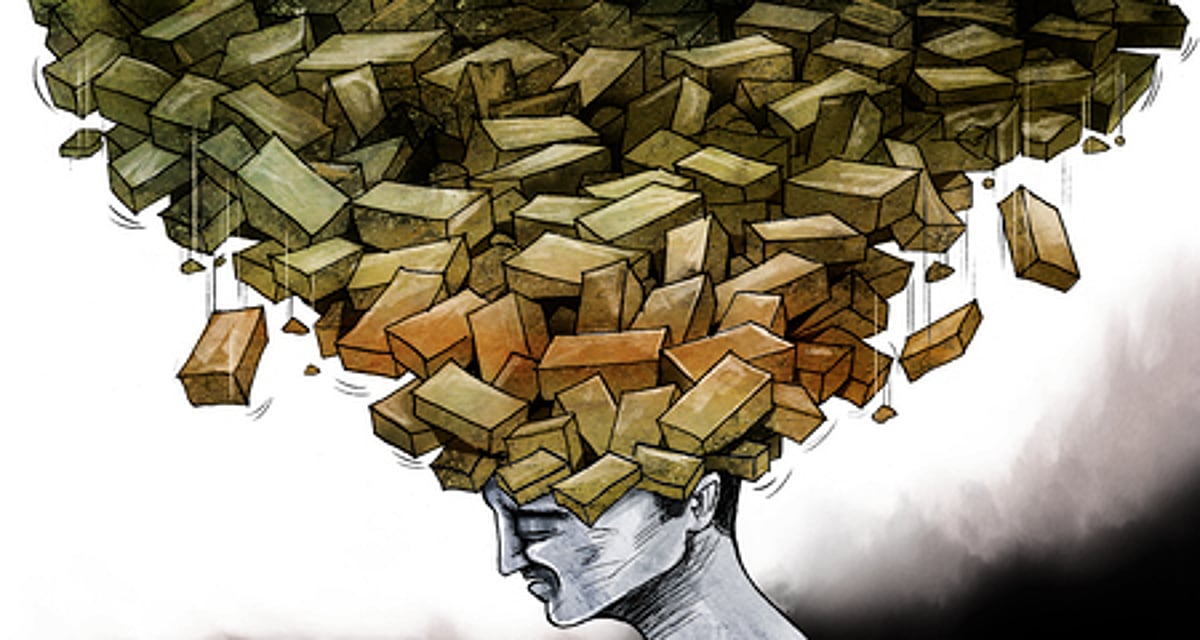
Meanwhile, Professor Kishore pointed out to three components including triggers, patterns and socio demographic profile through which pressure on students in higher education can be identified.
He said, “Parents expect their child to perform well in academics because they are providing everything. This itself is a primary pressure on students. But what if a child is not interested to pursue a particular course. So parents must be mindful what children want to pursue or do.”
He added, “Children might develop anxiety, attention deficit disorder and other mental health issues. They might showcase signs of withdrawal, addiction to social media, addiction to substance abuse and more. Both parents and children must understand, how is it possible to become a topper among 100 acheivers in an institution.”
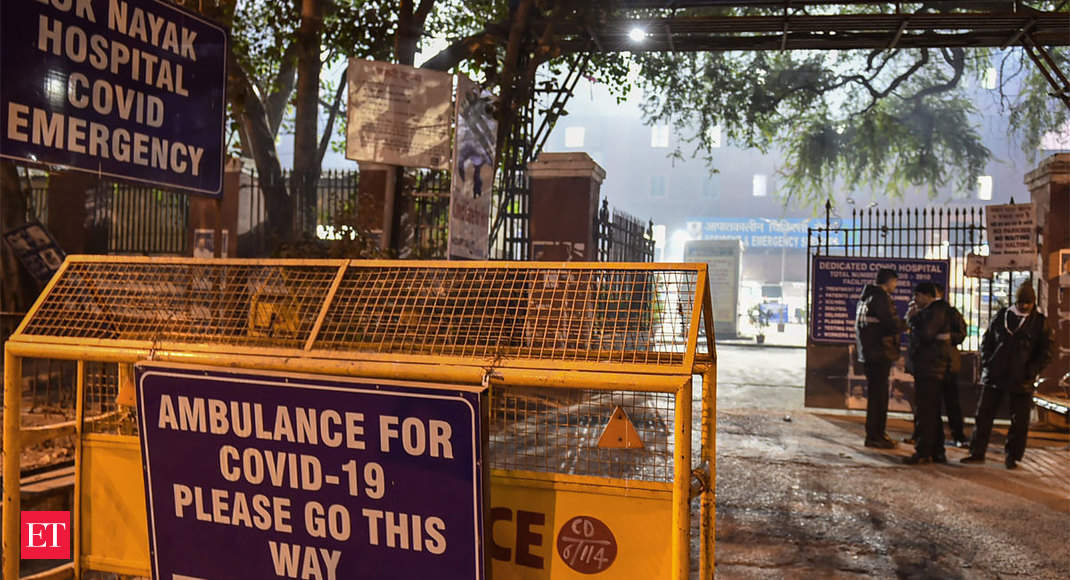
Adding to this conversation, Rakesh highligted how a pandemic like COVID-19 impacted the young minds for three years and its effects are seen even today.
He said, “The lockdown during COVID transformed all our lives. It shrinked features like attending classes and meeting friends into one small space within home. As a result, instead of learning to develop skills and competencies, the young minds had to learn to adapt to the new routine at home. The effects of this formal lockdown can be seen even today. Students have lost the sense of social space and being part of the community.”
Professor Kishore emphasised that in the current scenario, one must pause, reflect and seek help to move forward. He said, “Institutions, administration, peer group and family have a bigger role to play in helping students cope up with their stress and pressure in higher education.”