














India
oi-Gaurav Sharma


Senior
Janata
Dal
(United)
leader
KC
Tyagi
stepped
down
as
the
party’s
national
spokesperson
on
Sunday.
In
his
resignation
letter,
Tyagi
mentioned
“personal
reasons” for
his
decision.
However,
insiders
suggest
that
the
move
was
prompted
by
the
party’s
dissatisfaction
with
his
recent
statements.
Rajiv
Ranjan
Prasad
will
take
over
as
the
new
national
spokesperson,
according
to
party
general
secretary
Afaq
Ahmed
Khan.
Sources
within
JD(U)
indicated
that
Tyagi’s
comments,
particularly
on
the
Israel-Palestine
conflict,
were
not
aligned
with
the
party’s
stance.
He
had
called
for
India
to
halt
arms
supplies
to
Israel
and
advocated
for
peace
and
a
ceasefire
in
Gaza.

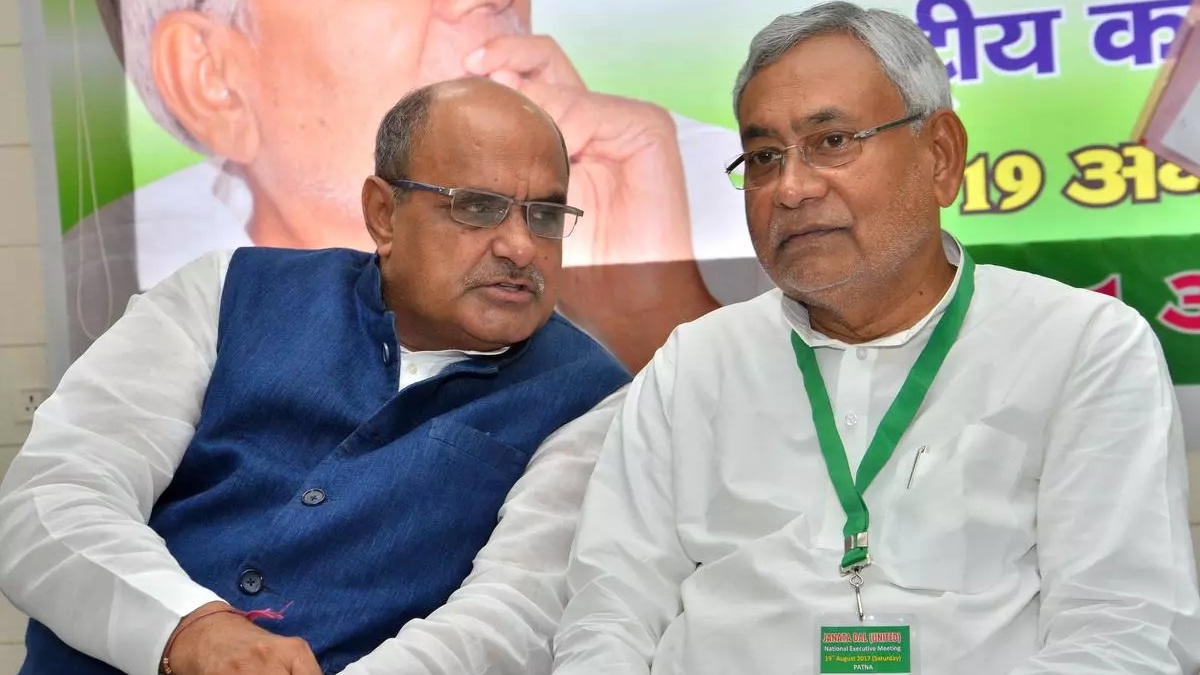
Tyagi
and
Nitish
Kumar
Statements
Without
Consultation
Party
sources
claimed
that
Tyagi
often
made
statements
without
consulting
senior
leaders.
His
remarks
on
various
issues,
including
the
Supreme
Court’s
decision
regarding
SC/ST
and
lateral
entry
jobs
under
UPSC,
were
cited
as
examples
of
this
behaviour.
These
actions
reportedly
led
to
internal
discussions
about
differences
within
the
National
Democratic
Alliance
(NDA).
According
to
sources,
Tyagi’s
habit
of
presenting
his
personal
views
as
those
of
the
party
created
friction.
This
pattern
of
behaviour
was
seen
as
problematic
by
the
leadership,
contributing
to
their
displeasure.
Leadership’s
Displeasure
The
resignation
comes
at
a
time
when
JD(U)
is
in
power
in
Bihar
under
Chief
Minister
Nitish
Kumar.
The
leadership’s
dissatisfaction
with
Tyagi’s
independent
statements
appears
to
have
been
a
significant
factor
in
his
decision
to
step
down.
Tyagi’s
comments
on
sensitive
issues
like
the
Israel-Palestine
conflict
and
domestic
policies
without
prior
discussion
within
the
party
were
seen
as
deviations
from
the
official
line.
This
led
to
concerns
about
maintaining
a
unified
stance
on
key
matters.
The
change
in
spokespersons
marks
a
shift
in
how
JD(U)
aims
to
manage
its
public
communications.
With
Rajiv
Ranjan
Prasad
stepping
into
the
role,
it
remains
to
be
seen
how
this
will
impact
the
party’s
messaging
strategy
moving
forward.
The
developments
highlight
ongoing
challenges
within
political
parties
regarding
individual
expression
versus
collective
representation.
As
JD(U)
navigates
these
dynamics,
maintaining
cohesion
will
be
crucial
for
its
leadership.