





















This analysis isn’t just wrong—it’s analytically bankrupt. And understanding why reveals the most important story about entertainment economics in the world’s most populous nation.
Also Read: Stars aligning for a reel good 2026 in Bollywood
The arithmetic is sobering. Start with 145 crore Indians. Remove 35 crore children under 13—functionally outside the theatre-going demographic. Apply the economic filter: 65% of households earn under Rs 2.5 lakh annually. A single theatre outing—tickets, travel, refreshments—represents two to three days of household income. That eliminates another 45-50 crore adults.
Now infrastructure: India operates 9,500 screens versus China’s 80,000 and America’s 40,000. That’s 6.5 screens per million Indians against 57 in China and 120 in the US. Rural India—65% of the population—gets barely 15% of screens.

The true addressable theatrical market? Approximately 15-18 crore people—roughly 10-12% of the total population. That’s the real denominator against which success must be measured.
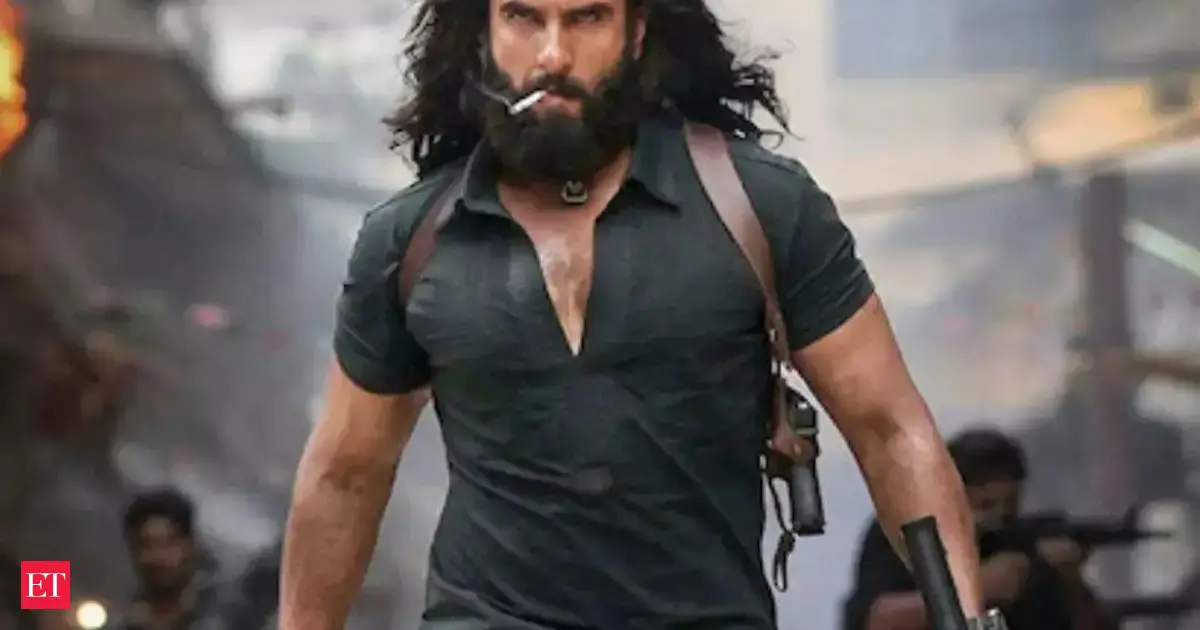
Also Read: Akshaye Khanna to return as Rehman Dakait in ‘Dhurandhar 2? Viral leaks about selective reshooting by Aditya Dhar sparks speculationsAgainst this denominator, Dhurandhar’s numbers transform. At Rs 150-200 average ticket price, Rs 1,250 crore translates to 6-8 crore footfalls—representing 35-55% market penetration. With repeat viewers, unique viewer reach approaches half the addressable market. This isn’t underwhelming. This is market dominance.
To achieve comparable penetration in America—where 230 million people have reasonable theatrical access—a film would need 80-125 million tickets. Only Avatar and Avengers: Endgame have done it. Dhurandhar, measured correctly, approaches that conversation.
The economics reveal a sophisticated new Bollywood playbook. After exhibitor shares and ancillary rights—Netflix’s ~Rs 240 crore streaming deal, satellite, music—producer revenue reaches approximately Rs 950 crore. Net profit after the Rs 330 crore production budget and Rs 125 crore marketing: roughly Rs 495 crore.
Jio Studios’ Rs 280 crore investment (84.8% equity) yields Rs 420 crore in profit—a 1.5x return before downstream synergies across JioCinema and Network18. Director Aditya Dhar’s B62 Studios turns Rs 25 crore into Rs 58 crore (2.3x). But Ranveer Singh’s hybrid actor-investor model delivers the headline: his Rs 25 crore equity stake plus Rs 50 crore acting fee generates Rs 88 crore total—a 3.5x return that signals the future of talent economics in India.
The strategic insight: theatrical is now the marketing funnel. A hit generates cultural salience that drives OTT viewership, satellite ratings, and music streaming for decades. Theatrical is the marketing. Ancillary is the profit.
For global executives watching from Los Angeles and New York, the message is clear: India’s theatrical market is structurally smaller than population figures suggest. But within that addressable market, the right content achieves penetration rivaling Hollywood’s best—operating with 18 times fewer screens per capita.
When analysts dismiss Bollywood for reaching “only” 5-7% of India, they reveal more about their own analytical limitations than the market they purport to understand. Dhurandhar is India’s Avatar moment—not for the visual effects, but for exposing a market long obscured by lazy population arithmetic.
The next blockbuster will be measured differently. That may be Dhurandhar’s most lasting contribution.
The writer is a former managing director at Levi Strauss & Co. (US & Canada)