

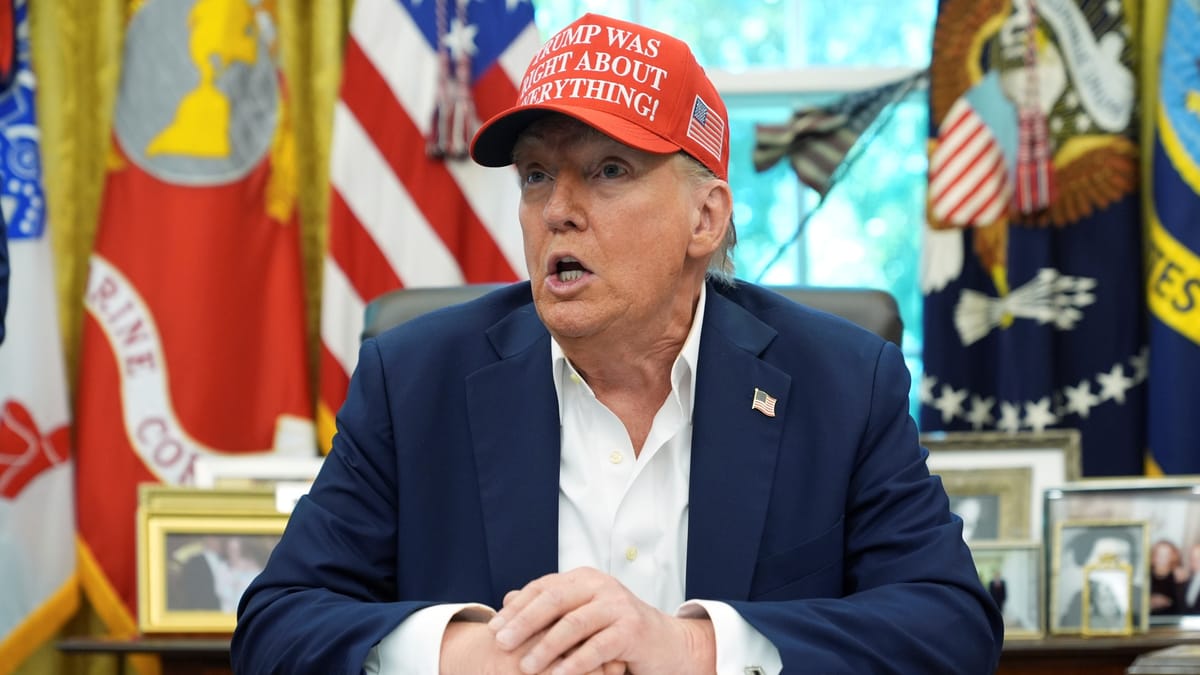

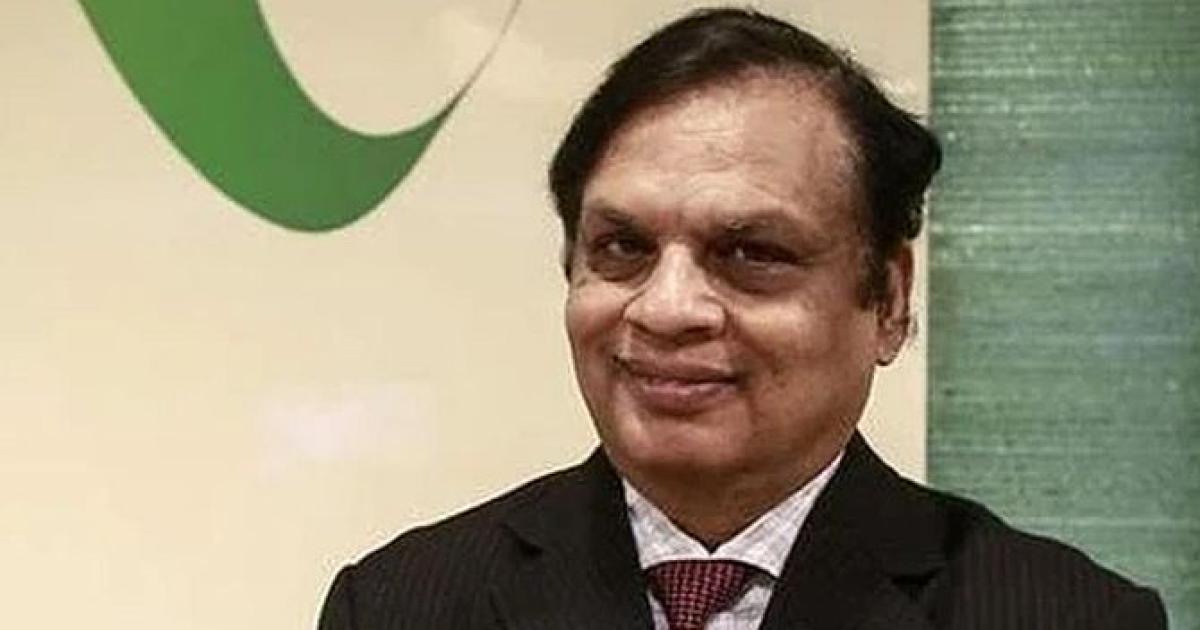












Finance Minister Nirmala Sitharaman revealed that India-US trade agreement negotiations have reached a ‘plateau’, suggesting limited room for further concessions from either nation, as the US seeks to address its trade deficit with India.

Photograph: Francis Mascarenhas/Reuters
Key Points
- Finance Minister Nirmala Sitharaman indicated that India-US trade agreement negotiations have reached a ‘plateau’, with minimal room for further concessions.
- A key aspect of India-US trade relations is the imbalance in India’s favour, which the US aims to reduce.
- Sitharaman noted a global trend where tariffs are increasingly being ‘weaponised’ to address trade imbalances, moving beyond their traditional role as negotiation instruments.
- The Finance Minister questioned whether India could adopt a similar tariff-based approach to address its exponentially growing trade imbalance with China.
- Sitharaman also highlighted the India-EU trade deal as a significant example of India’s approach to negotiating and finalising trade agreements in a challenging global environment.
Finance Minister Nirmala Sitharaman on Monday said negotiations for the India-US trade agreement are still underway, but both sides appear to have reached a “plateau”, with limited room for further concessions from either side.
“The agreement’s negotiations are still ongoing, although we like to believe that both sides have reached a plateau beyond which giving or taking might be very, very difficult. But maybe, if there is room to operate from, both sides would do it,” she said at the Munich Security Conferencein New Delhi.
Addressing Trade Imbalances
Sitharaman said a predominant feature of India-US trade relations is the trade imbalance in India’s favour, with the US seeking to reduce its deficit.
“Naturally, the deficit is there on their side, or the balance is unfavourable for the US, so they would want to reduce that imbalance,” she said, adding that Washington would seek to make up, from its perspective, for what it believes it has lost over the years.
Drawing a comparison with India’s trade relationship with China, Sitharaman said trade imbalances have traditionally been addressed through negotiations, with countries seeking greater market access for their goods and services.
However, she said tariffs are increasingly being used as a tool to address trade imbalances.
“Now the imbalance is being sought to be addressed through other means, where, as you rightly said, tariffs have become weaponised.
“Tariff was an instrument of negotiation, and tariff had a certain framework within which you would apply it.
“Today, the framework is there, but tariffs are going,” she said.
She questioned whether India could adopt a similar approach in dealing with China, given the significant trade imbalance between the two countries.
“The trade imbalance with China for India, for instance, since 2014, has been growing exponentially.
“So, when you’re talking of trade and trade imbalance being the sole criteria to reduce the imbalance, to what extent beyond negotiation can you go?” she wondered.
Recent Developments and Future Outlook
Last week, US Trade Representative Jamieson Greer said the United States and India were working to finalise a bilateral trade deal, but an agreement was not imminent, even as he indicated that President Donald Trump and Prime Minister Narendra Modi may hold another phone call “very soon” to assess progress.
Addressing a press conference after the G20 Trade Ministers’ Meeting in Milwaukee, Greer said the two sides identified the issues that remained unresolved and were working towards an agreement.
“We had a very constructive conversation, Minister Goyal and myself. Our staff is meeting right now since they’re in the country, and we’re here,” Greer had said.
Greer met Commerce and Industry Minister Piyush Goyal on the sidelines of the G20 Trade Ministers’ meeting on September 30 evening and had a “productive discussion” on the early conclusion of a mutually beneficial interim trade agreement.
India-EU Trade Deal
On the India-EU trade deal, Sitharaman observed that it is a standing example of how India is negotiating and finalising trade deals.
The Finance Minister said that calling it the Mother of all deals is absolutely appropriate, for it is going to be an agreement between people totalling two billion, and one and a quarter of the world’s trade is going to be covered, and one and a quarter of global GDP is covered through this agreement.
“Ultimately you’re tailoring the agreement to keep national interest alive but to survive in a very challenging global environment where no WTO-related laws have been left to be respected,” she said, adding that everybody’s broken the law.