


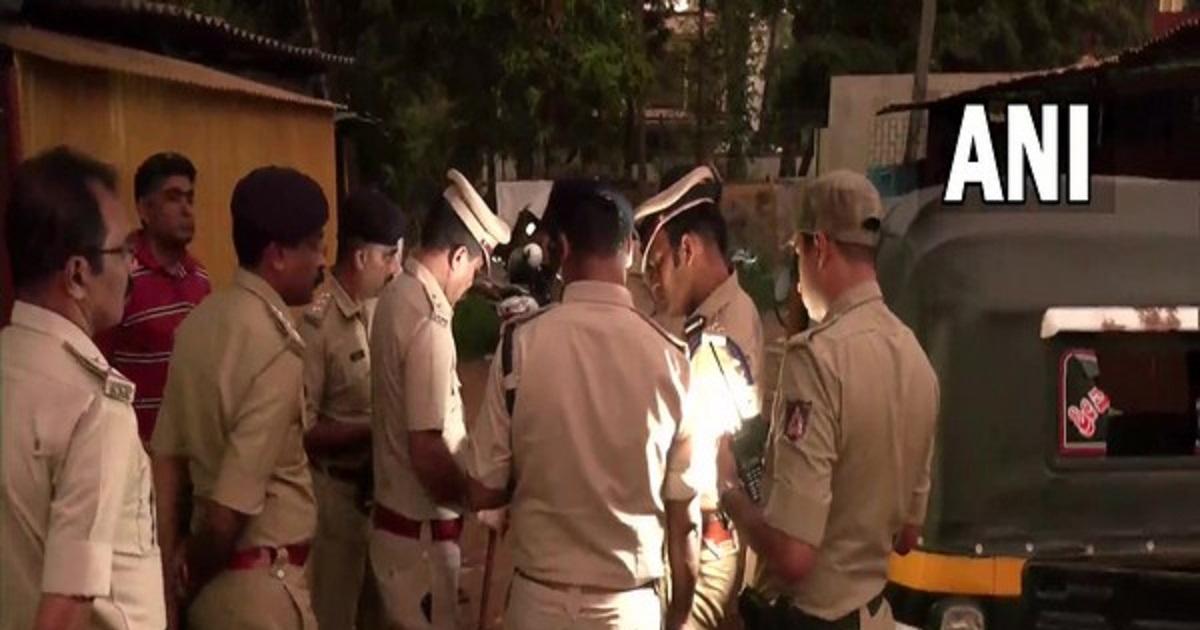









A day after Punjab Police submitted a detailed response regarding the Atishi video controversy, the Delhi legislative assembly has issued a fresh communique to Punjab director general of police (DGP) Gaurav Yadav, seeking further records and reports from the Jalandhar Police Commissionerate.

The letter, dated January 23 and issued by the secretary of the Delhi assembly, says that the previous reply from the Punjab Police chief, along with comments from the Jalandhar Commissioner of Police, has been placed before Speaker Vijender Gupta. The assembly noted that specific information and documents requested in an earlier notice on January 10 are still required for further directions.
The Punjab Police have now been directed to provide copies of the original complaint, the FIR, reports from social media experts and the technical cell, and the findings of the Punjab Forensic Science Laboratory (FSL) by January 28.
In its earlier submission, the Punjab DGP’s office and the Jalandhar Police justified the registration of the FIR, asserting that forensic analysis confirmed the video was manipulated. They maintained that the term “Guru” was never uttered by Atishi and was instead inserted into the footage to inflame religious sentiments in Punjab.
Punjab Police argued that legislative privilege was not breached because the edited clips were circulated outside the House on social media platforms and were not published under the authority of the Delhi assembly.
The row began following an FIR registered by the Jalandhar commissionerate police on January 7, based on a complaint by AAP leader Iqbal Singh Bagga.
Bagga alleged that the edited video was maliciously circulated by political leaders, including Delhi BJP minister Kapil Mishra and leaders from the Congress and the Shiromani Akali Dal (SAD). The case was filed under Sections 196(1) (promoting enmity) and 353 (public mischief) of the Bharatiya Nyaya Sanhita, alongside provisions of the IT Act.
During court proceedings in Jalandhar to seek the removal of the video from social media, police submitted that social media experts initially used the Gemini AI tool to detect alterations, followed by a comprehensive audit at the state FSL in Mohali. The FSL report, based on auditory and spectrographic examination, concluded that the captions were deliberately added to attribute words to Atishi that were never spoken.
On January 15, the court of the chief judicial magistrate observed that the circulation of the video posed a threat to public order and religious harmony. Invoking the Information Technology Rules, 2021, the court directed Meta, X, and Telegram to remove the content associated with the flagged URLs.