







![JMA – Ninja & Deep Jandu [Official MV] Kaptaan](https://i.ytimg.com/vi/-dsfIh319s0/maxresdefault.jpg "JMA – Ninja & Deep Jandu [Official MV] Kaptaan")





India
oi-Saumya Joshi


The
All
India
Congress
Committee
(AICC)
is
grappling
with
the
fallout
from
its
disappointing
performance
in
the
Haryana
Assembly
elections,
where
the
party
suffered
a
significant
defeat.
Kumari
Selja,
General
Secretary
of
the
AICC
and
Member
of
Parliament
from
Sirsa,
expressed
disbelief
over
the
scale
of
the
loss,
stating,
“It’s
unbelievable
how
badly
we
lost.”

She
has
placed
the
blame
squarely
on
the
shoulders
of
the
Haryana
unit’s
leadership,
particularly
criticizing
the
party’s
strategic
decisions
and
internal
factionalism
that
ultimately
hindered
the
campaign.
Criticism
of
Party
Leadership
In
a
scathing
assessment
of
the
party’s
handling
of
the
election,
Selja
named
key
figures
responsible
for
the
dismal
performance,
including:
-
Deepak
Babaria:
Haryana’s
party
affairs
in-charge. -
Udai
Bhan:
President
of
the
Pradesh
Congress
Committee. -
Bhupinder
Singh
Hooda:
Congress
Legislature
Party
leader
and
influential
figure
in
Haryana
politics. -
Deepender
Hooda:
Bhupinder
Hooda’s
son
and
Rohtak
MP.
Selja
accused
this
group
of
monopolizing
the
campaign
efforts
and
failing
to
leverage
the
groundwork
established
by
Rahul
Gandhi.
She
stated
that
their
strategies
and
decisions
did
not
resonate
with
the
electorate,
leading
to
a
loss
of
support
across
various
voter
segments.
Failure
to
Leverage
Groundwork
Selja
emphasized
the
importance
of
capitalizing
on
the
momentum
created
by
Rahul
Gandhi,
suggesting
that
the
state
unit
missed
a
crucial
opportunity
to
connect
with
voters.
“The
state
unit
of
the
party
failed
to
capitalize
on
the
ground
created
by
Rahul
Gandhi
ji,” she
remarked,
indicating
that
the
leadership
did
not
effectively
engage
with
the
electorate
or
heed
the
concerns
of
local
party
workers.
Selja
further
lamented
her
exclusion
from
the
campaign
process,
questioning,
“Then
why
did
they
not
let
me
campaign?
Why
did
they
monopolize
ticket
distribution?”
She
expressed
frustration
over
being
sidelined
and
indicated
that
her
silence
during
the
campaign
was
not
a
lack
of
opinion
but
rather
a
reflection
of
the
internal
power
dynamics
within
the
party.
Factionalism
and
Internal
Discontent
The
intense
factionalism
within
the
Haryana
Congress
unit
came
to
the
forefront
in
the
weeks
leading
up
to
the
elections.
Selja
acknowledged
that
many
party
workers
felt
ignored
and
unrepresented,
which
contributed
to
the
internal
strife.
Despite
raising
concerns
about
the
sidelining
of
grassroots
members,
Selja
reported
that
the
leadership
remained
unresponsive.
Critique
of
Strategic
Decisions
Selja
criticized
the
so-called
“strategists” behind
the
campaign
for
their
poor
decision-making,
stating,
“The
farce
of
a
strategists’
team
that
was
created
and
eventually
controlled
by
these
people
has
shown
the
results
today.”
She
emphasized
that
the
leadership’s
reliance
on
their
assessments
and
surveys
was
misguided
and
that
they
underestimated
the
electorate’s
sentiments.
The
results,
which
saw
many
candidates
selected
by
Bhupinder
Hooda
lose
their
seats,
reflected
the
disconnect
between
the
party’s
leadership
and
its
base.
Selja
noted
that
numerous
party
workers
who
had
been
promised
tickets
turned
rebellious
on
election
day,
undermining
the
party’s
efforts.
Allegations
of
EVM
Tampering
As
the
dust
settles
on
the
electoral
defeat,
the
Congress
party
has
also
raised
serious
allegations
regarding
the
integrity
of
the
election
process
itself.
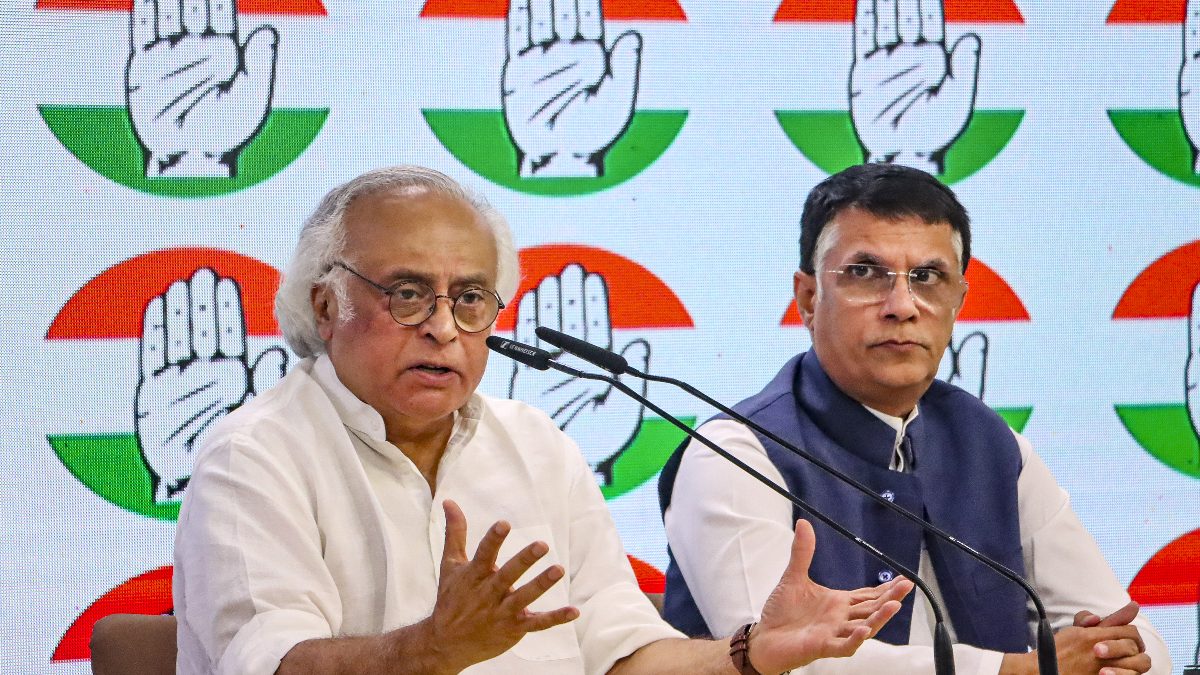
Jairam
Ramesh,
the
party’s
General
Secretary
and
Communications
in-charge,
stated
that
they
received
multiple
complaints
about
the
counting
process
and
the
functioning
of
electronic
voting
machines
(EVMs)
in
at
least
three
districts-Hisar,
Mahendragarh,
and
Panipat.
Ramesh
conveyed
the
party’s
disbelief
at
the
election
results,
describing
them
as
“totally
unexpected,
surprising,
and
counter-intuitive.”
He
asserted
that
the
results
contradicted
the
party’s
ground-level
assessments,
which
had
indicated
a
favourable
reception
from
voters.
Rejection
of
Election
Results
The
Congress
party
has
firmly
rejected
the
outcome
of
the
Haryana
Assembly
elections,
accusing
the
BJP
of
manipulating
the
electoral
process
to
undermine
the
will
of
the
people.
Ramesh
referred
to
the
results
as
a
“victory
of
subversion
of
people’s
will
and
subversion
of
the
democratic
process.”
He
emphasized
the
party’s
intention
to
compile
the
complaints
regarding
EVM
malfunctions
and
present
them
to
the
Election
Commission.
Earlier,
Ramesh
wrote
to
the
Commission,
alleging
delays
in
uploading
up-to-date
trends
on
the
poll
panel’s
website,
which
he
claimed
raised
concerns
about
transparency
in
the
counting
process.
The
Election
Commission
dismissed
these
allegations
as
“irresponsible”
and
“unfounded,”
labeling
them
as
part
of
a
“malafide
narrative.”
Election
Dynamics
and
Voter
Sentiment
The
election
results
showcased
a
significant
turnaround
for
the
BJP,
which
overcame
early
trends
that
had
favored
Congress.
Ultimately,
the
BJP
secured
39
seats
and
led
in
ten
more,
positioning
them
comfortably
above
the
halfway
mark
of
46
seats.
This
shift
indicates
a
considerable
change
in
voter
sentiment,
particularly
among
key
demographics
that
historically
supported
Congress.
Conclusion:
The
Road
Ahead
for
Congress
The
electoral
setback
in
Haryana
has
exposed
deep-seated
issues
within
the
Congress
party,
highlighting
the
need
for
introspection
and
accountability
among
its
leadership.
Kumari
Selja’s
candid
critique
underscores
the
challenges
posed
by
factionalism
and
a
disconnect
between
the
party’s
leadership
and
its
grassroots
workers.
Moving
forward,
the
Congress
party
must
address
these
internal
conflicts
and
re-establish
trust
among
its
members
while
ensuring
that
it
adequately
represents
the
voices
of
its
constituents.
As
the
party
navigates
serious
allegations
regarding
the
electoral
process,
its
ability
to
respond
effectively
to
these
challenges
will
be
crucial
in
regaining
credibility
and
support
in
future
elections.