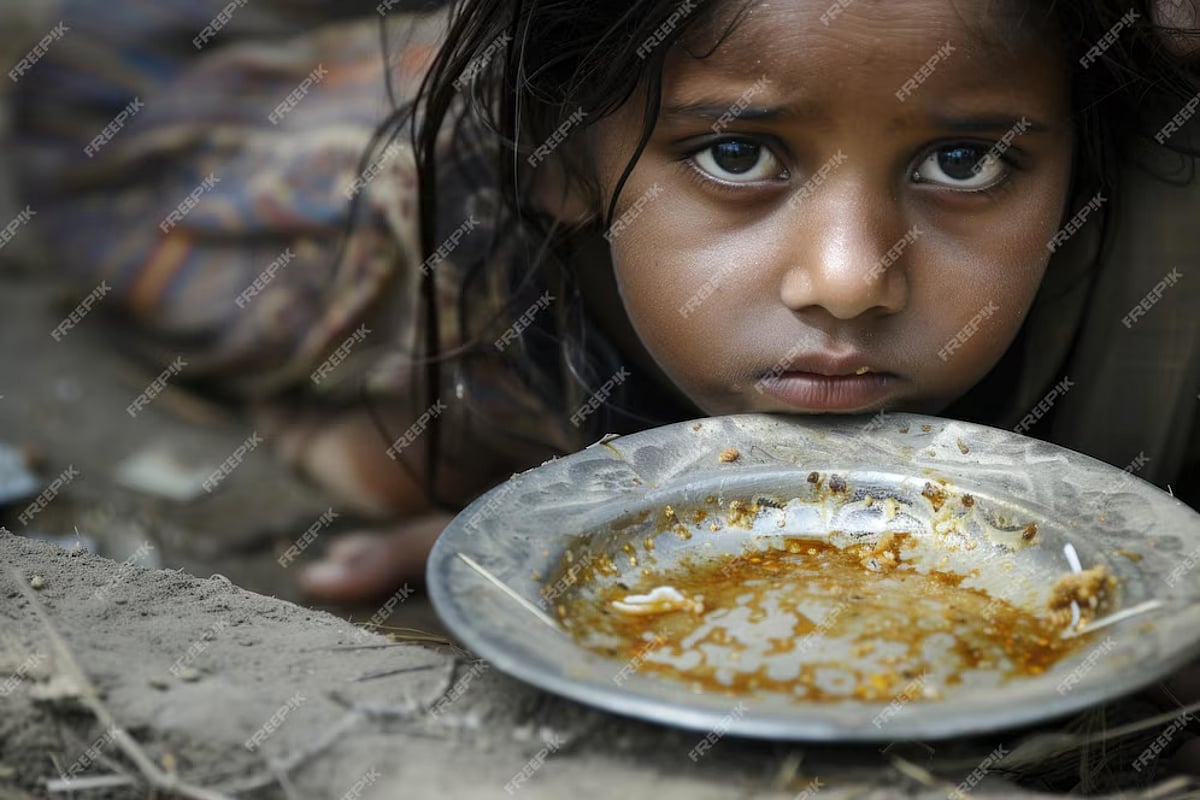














The PM POSHAN Abhiyaan(Mid-Day Meal Scheme) is the flagship programme that provides nutritious meals to children as an incentive to come to school, significantly improving their nutritional status and educational outcomes. It has the distinction of being the largest school feeding programme in the world, with over 118 million beneficiary children.
As an excellent example of policy innovation, PM POSHAN also leverages the power of collective action by adopting the much-admired Public-Private Partnership (PPP) model for programme implementation. The result is a robust ecosystem, with the government, NGOs/civil society organisations (CSOs), corporates and philanthropists coming together to feed millions of children every school day. Advocacy efforts of this programme can serve to enhance similar interventions in other regions of the world.
Collaborative efforts such as these will reinforce global solidarity as nations and organisations work together to combat classroom hunger and malnutrition in line with global and national development goals. In promoting a healthier and more educated future generation, international partnerships will greatly contribute to two critical UN Sustainable Development Goals (SDGs) — SDG 2 (Zero Hunger) and SDG 4 (Quality Education).
Successfully leveraging the power of global partnerships will help address socioeconomic issues, with an emphasis on the sharing of knowledge, resources and expertise by designing and implementing impactful solutions. This is particularly true in the context of child nutrition and, subsequently, child health and education. After all, the progress of a society corresponds with the quality of life that it has to offer to its children — the flagbearers of tomorrow.
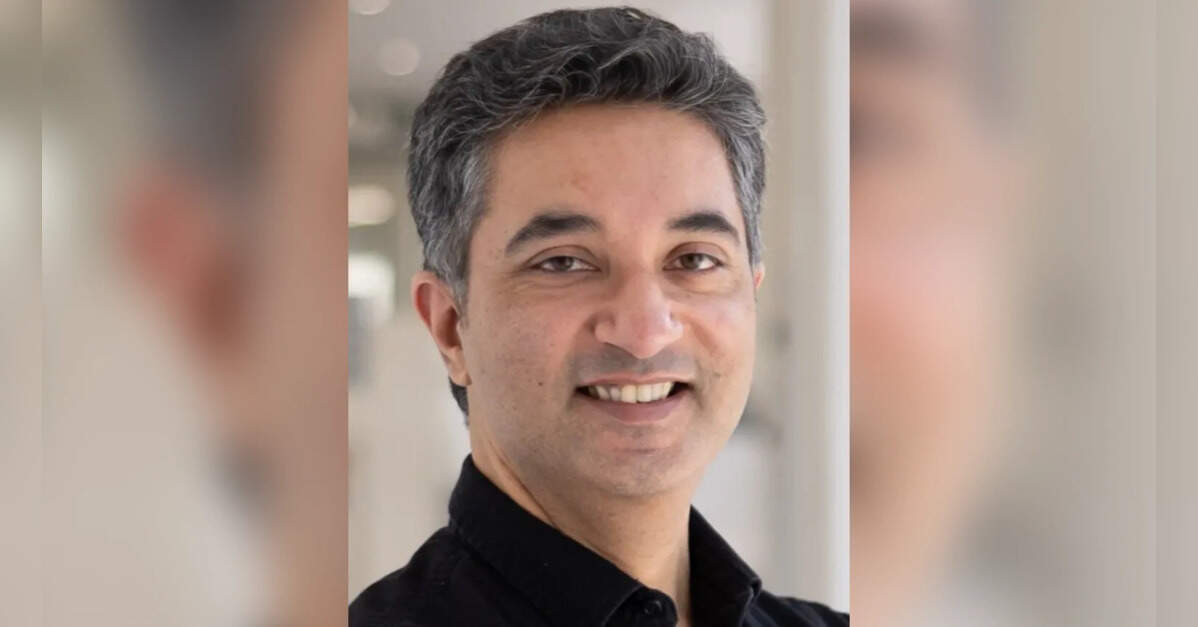
(The author is Chief Executive Officer at The AkshayaPatra Foundation)