

















Last Updated:
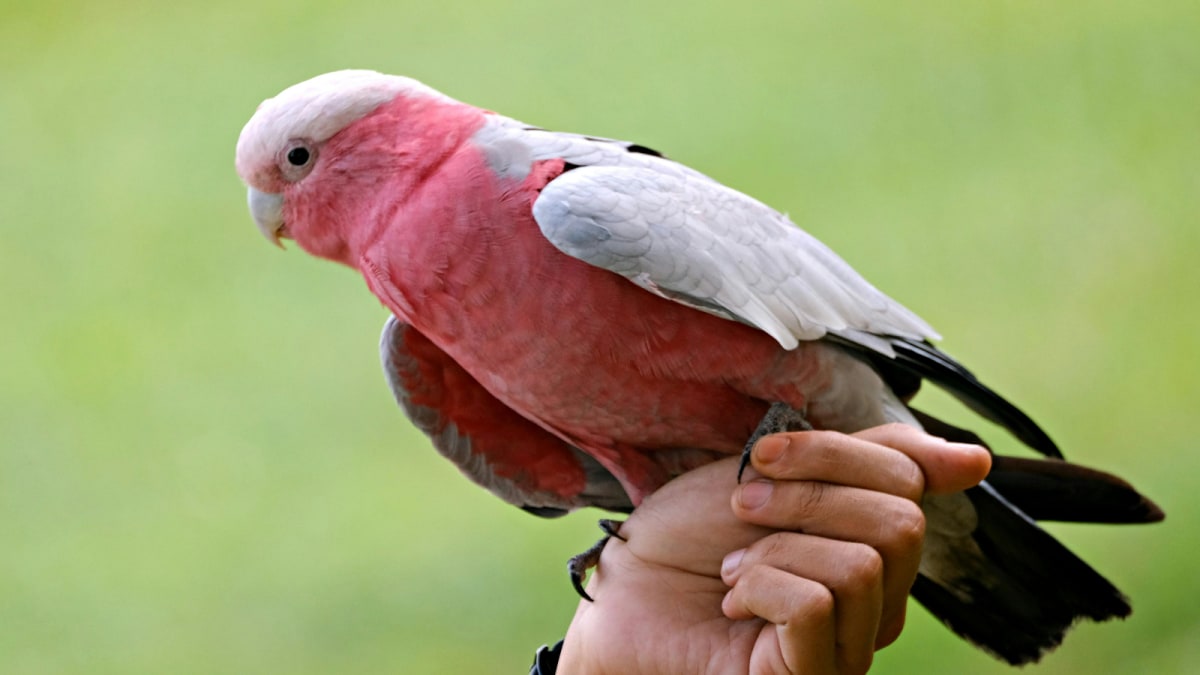
Researchers found that masturbation is widespread among birds and should be viewed as a natural and healthy part of their sexual behaviour.




The findings showed that masturbation occurs across a wide range of bird species and among both sexes.
In societies where masturbation is often surrounded by stigma and misconceptions, a new scientific study is challenging long-held taboos — not among humans, but in the animal kingdom.
Researchers have found that masturbation is widespread among birds and should be viewed as a natural and healthy part of their sexual behaviour rather than an abnormal response to captivity or stress.
The study, led by Chloe Heys of the University of Lancashire and co-authored by researchers from the University of Oxford, Swansea University and the University of Liverpool, compiled data from scientific literature as well as observations provided by bird keepers and breeders through surveys and online communities.
The findings showed that masturbation occurs across a wide range of bird species and among both sexes. While male birds were more frequently observed engaging in the behaviour, females were also found to masturbate. According to the study, 55 per cent of recorded cases involved males, compared to 36 per cent involving females.
Researchers also found little difference between age groups. Juvenile birds were almost as likely as adults to engage in masturbation, suggesting the behaviour is not limited to sexually mature individuals.
One of the study’s most notable findings challenges a common assumption about captive birds. Dr Chloe Heys, an evolutionary ecologist, said the research found no evidence that masturbation is a negative consequence of confinement.
“Despite assumptions that masturbation among captive birds such as parrots is a result of their often solitary living conditions, our study shows it is natural, healthy and widespread across diverse bird species, even in different environments,” she said.
Dr Matilda Brindle, an evolutionary biologist at the University of Oxford and co-author of the study, said the findings add to growing evidence that non-reproductive sexual behaviours are common throughout the animal kingdom.
Do Other Animals Masturbate?
Masturbation has previously been documented in a variety of species, including dolphins, marine iguanas, Cape ground squirrels, horses, penguins and several primates such as chimpanzees, gibbons and Japanese macaques.
The researchers say the study contributes to a broader understanding of animal behaviour and challenges the notion that sexual behaviours are solely linked to reproduction.
About the Author

Saurabh Verma covers general, national and international day-to-day news for News18.com as a Chief Sub-editor. He keenly observes politics. You can follow him on Twitter –twitter.com/saurabhkverma19
London, United Kingdom (UK)
Read More