





![JMA – Ninja & Deep Jandu [Official MV] Kaptaan](https://i.ytimg.com/vi/-dsfIh319s0/maxresdefault.jpg "JMA – Ninja & Deep Jandu [Official MV] Kaptaan")






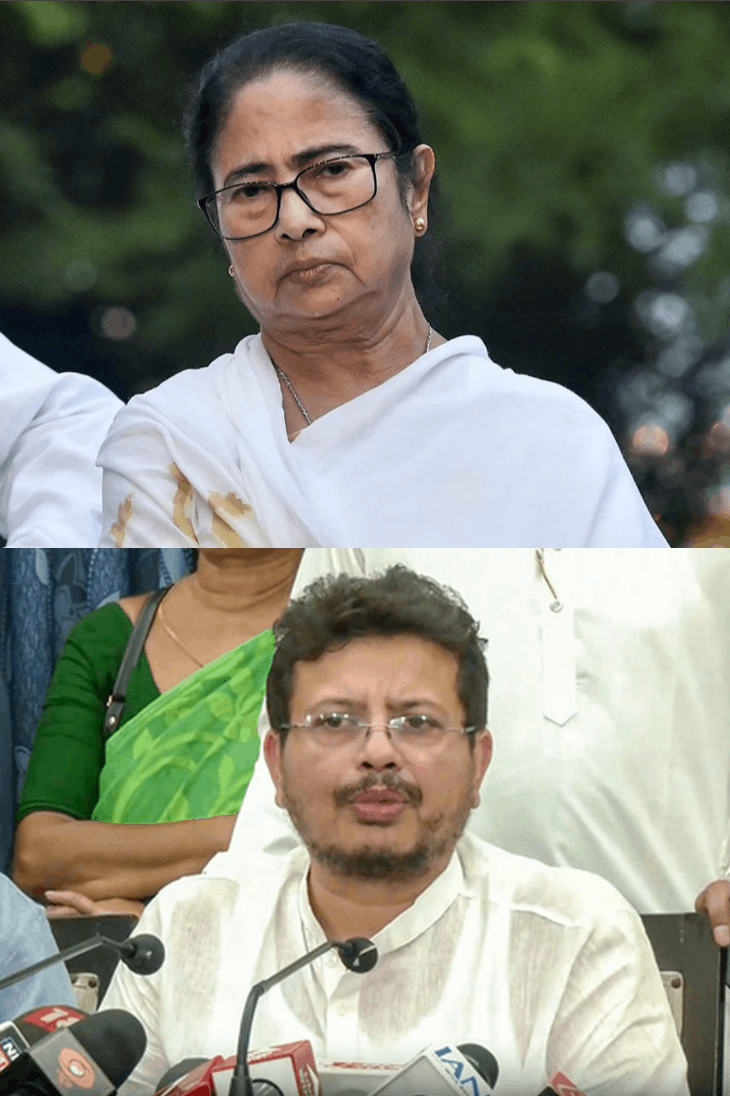
On March 24, when chief minister Mamata Banerjee was on her way to north Bengal to launch her party’s election campaign, Suvendu Adhikari, Bharatiya Janata Party (BJP) legislator and leader of the opposition in the state legislative assembly promised to deliver her a ‘gift’.

On that day, Bangshibadan Barman, a Rajbanshi leader who heads one of the factions of the Greater Cooch Behar Peoples’ Association (GCPA), Arghya Roy Pradhan, a two-time Trinamool Congress (TMC) MLA from Cooch Behar district, and Girija Shankar Roy, a local Rajbanshi leader and a close aide of Barman, joined the BJP in the presence of Adhikari and Samik Bhattacharya, state BJP president.
The importance of the Rajbanshi community
The Rajbanshi community is the largest Schedule Caste (SC) group in the state. According to the 2011 census, the Scheduled Caste (SC) population of West Bengal stands at 21.4 million, which is around 23.5% of the state’s 90.1 million population. There are around 60 Hindu sub-castes that come under the SC category. Of these, the three major ones are the Rajbanshi, who account for 18.4 % of the total SC population, the Namasudra (17.4 %) and the Bagdi (14.9%).
“The Rajbanshi community is very much aware and knows who would actually work for them. Till date we have supported the TMC. The state government has developed the Rajbanshi Bhasha Academy and set up multiple schools. But only the Centre can include the Rajbanshi language in the eighth schedule. Also, our talks with the TMC for some assembly seats had failed to take off,” Barman told HT.
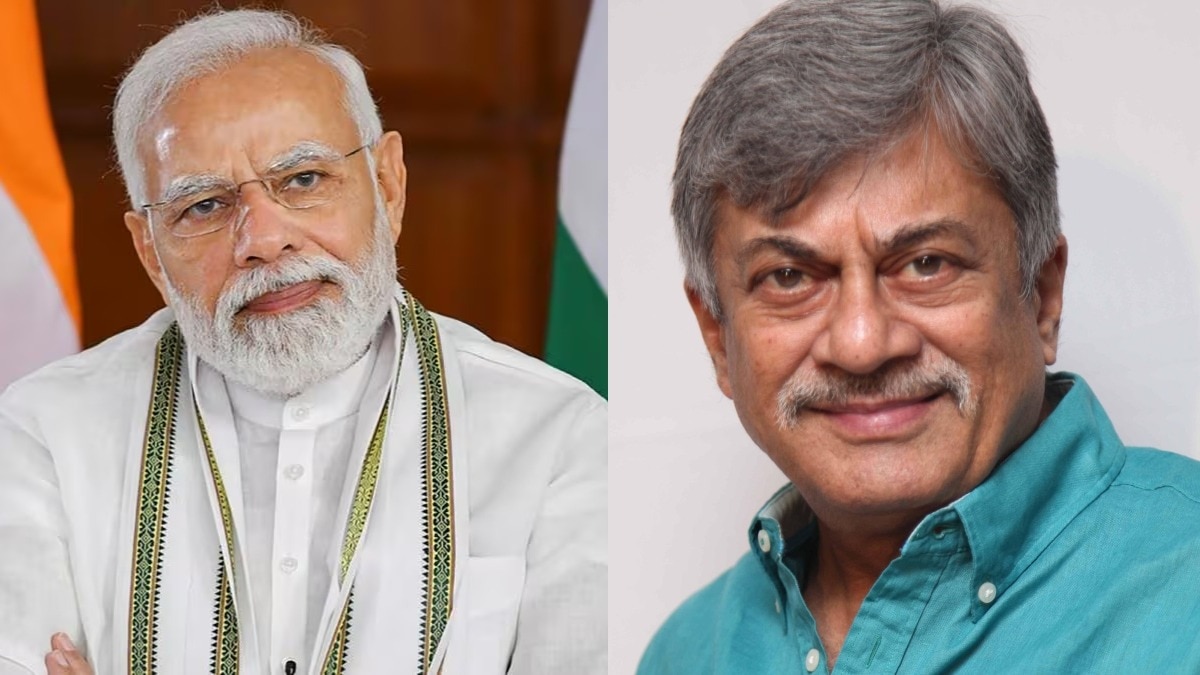
The development came weeks after Ananta Maharaj, BJP’s Rajya Sabha MP, shared stage with Banerjee on February 21 during the International Mother Language Day when the TMC-government conferred the state’s highest civilian award Banga Bibhushan on him.
Soon after receiving the award, Maharaj, who heads a faction of the GCPA, slammed the BJP and accused it of not doing enough for the community.
“I am pained within. We have always been humiliated and deprived. There is no limit to it. We have lost everything. BJP isn’t doing anything,” Maharaj, whose official name is Nagendra Ray, told reporters after accepting the award.
The outburst prompted the BJP to send two cabinet ministers, Gajendra Singh Shekhawat and Bhupender Yadav, to reach out to Ray at his residence in Cooch Behar.
On April 1, however, an announcement by TMC national general secretary Abhishek Banerjee fuelled more speculation. Banerjee was campaigning for Harihar Das, whom the party has fielded from Sitalkuchi, an assembly seat reserved for the SC in Cooch Behar.
“Das is the TMC’s candidate, Mamata Banerjee’s candidate. He is well-educated, young, a school teacher by profession, chairman of the Rajbanshi Bhasha Academy and a representative of the TMC’s developments. Above all he is also Ananta Maharaj’s candidate,” Banerjee said while addressing an election rally in Sitalkuchi.
The Rajbanshi factor
Political experts said that the Rajbanshi community, concentrated in north Bengal, can influence election results in around 20 assembly seats in five districts in the region – Cooch Behar, Alipurduar, Jalpaiguri, North Dinajpur and South Dinajpur. All five districts go to polls in the first phase on April 23.
The changing political equations has intensified the tug-o-war over the Rajbanshi vote bank in north Bengal between the TMC and the BJP.
While addressing an election rally at Baghmundi in West Bengal’s Purulia district last week, Union home minister Amit Shah promised that the BJP, would take up the task of including the Rajbanshi language in the Eighth Schedule of the Constitution.
“The BJP has decided that immediately after coming to power (in West Bengal) would take up the task of including Rajbanshi and Kurmali languages in the eighth schedule. Kurmali and Rajbanshi are among the major languages spoken in West Bengal, Assam and Jharkhand,” Shah said.
The BJP manifesto, which was released last week, also made the same promises – the BJP government in the state would work in collaboration with the Centre to include Rajbanshi and Kurmali languages in the Eighth Schedule. It also states that the party would prioritise the cultural legacy of regional icons by honouring the history and contributions of figures such as Thakur Panchanan Barma, a Rajbanshi leader and social reformer.
Past electoral trends
Of the 21 seats in Cooch Behar, Jalpaiguri and Alipurduar, where this community is concentrated, the BJP was ahead of the TMC in at least 18 assembly seats in the 2019 Parliamentary Elections. In the 2021 assembly polls, the BJP won 16 of the 21 seats. In the 2024 Lok Sabha polls, the TMC regained some of lost ground and BJP led only in 13 seats.
“There are several small equations and micro-management issues, which if not tackled at the right time and in the right manner may not give the desired results,” Nisith Pramanik, former BJP MP from Cooch Behar, recently said in an interview, referring to the politics of the region.
The TMC, in its campaign, has highlighted what it has done for the community in its 15-year tenure including setting up the Panchanan Barma University, the Rajbanshi Bhasha Academy, setting up 200 Rajbanshi primary schools and giving financial assistance of ₹1000 per month to Bhawaiya folk singers.
The Kamtapur movement
In the late 1990s and early 2000s, it was primarily the Kamtapur Liberation Organisation (KLO), led by members of the community, which carried out an agitation demanding a separate Kamtapur state to be carved out of Assam and north Bengal.
After the KLO’s influence faded, the statehood agitation of the GCPA demanding a separate state gained momentum. In 2005 three policemen and two GCPA supporters were killed in a clash. Several leaders including Barman was jailed for around six years.
The TMC, soon after coming to power in 2011, released many of the jailed leaders as part of Banerjee’s electoral promise to release political prisoners.
“Rajbanshis have always been an important factor in north Bengal. It is impossible to wrest some of the seats in the region without the support of this community. Hence, all the parties make a beeline to woo this community and keep them in good faith. But with equations changing it has to be seen which way the community’s vote shifts this time,” said Kartick Das, head of political science department of Panchanan Barma University in Cooch Behar.