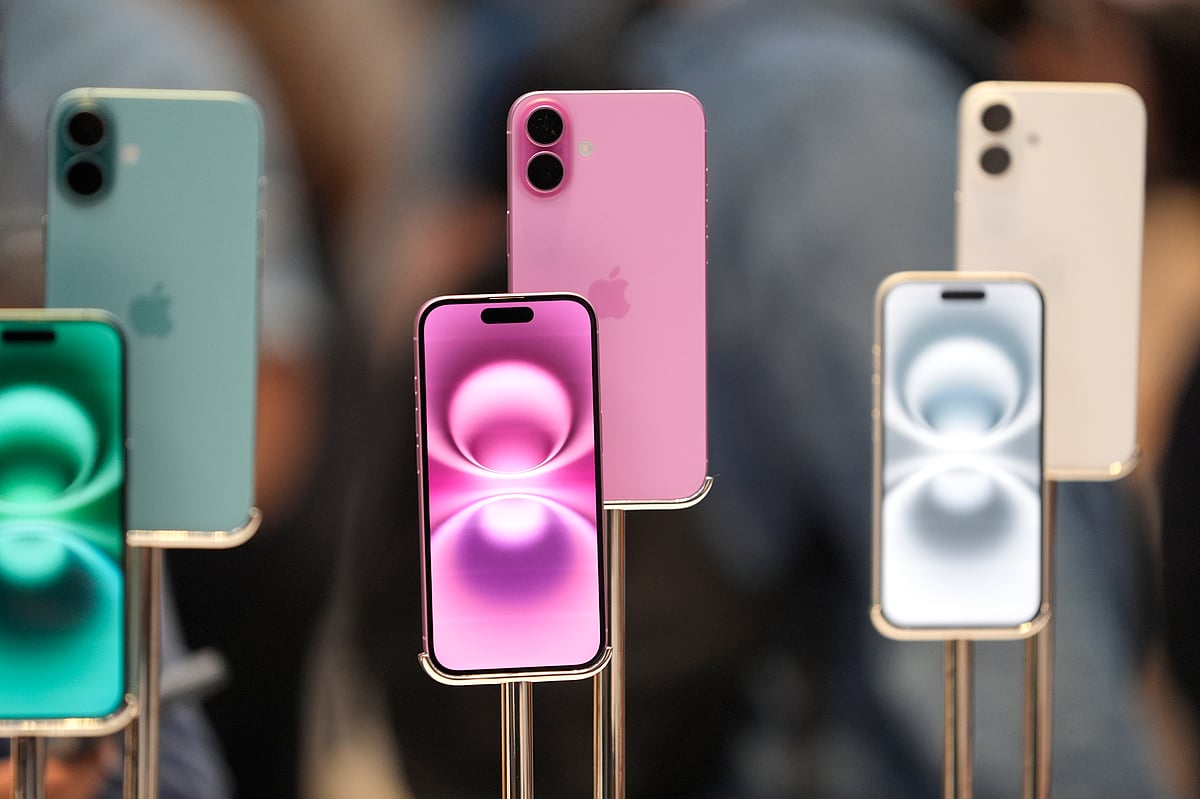


















Because most iPhones currently in use around the world don’t have the computer chip needed for Apple’s AI, the technology is expected to drive huge demand for the new models during the holiday season and into next year, too. That’s the main reason why Apple’s stock price has soared 18% since the Cupertino, California, previewed its AI strategy at a conference in early June. The run-up has increased Apple’s market value by about USD 500 billion, catapulting it closer to becoming the first U.S. company to be worth USD 4 trillion.
Apple will give investors their first glimpse at how the iPhone 16 is faring Thursday when the company posts quarterly financial information for the July-September quarter — a period that includes the first few days the new models were on sale.
Demand for the high-end iPhone 15 models ticked upward as prices for them fell and the excitement surrounding Apple’s entrance into the AI market ramped up, according to an assessment of the smartphone market during the most recent quarter by the research firm International Data Corp.
Apple’s iPhone shipments rose 3.5 percent from the same time last year to 56 million worldwide during the July-September period, second only to Samsung, according to IDC. The question now is whether Apple’s gradual release of more AI will cause owners of older iPhones to splurge on the new models during the holidays, “future-proofing their purchases for the long term,” said IDC analyst Nabila Popal.
Also on Monday, Apple said that with the software update some AirPods wireless headphones can be used as hearing aids.
An estimated 30 million people — 1 in 8 Americans over the age of 12 — have hearing loss in both ears. Millions would benefit from hearing aids but most have never tried them, according to the National Institute on Deafness and Other Communication Disorders.