










It all began with a boy from Madras in 1988. Thirty-eight years after Viswanathan Anand became the country’s first grandmaster, Indian chess touched a historic milestone.
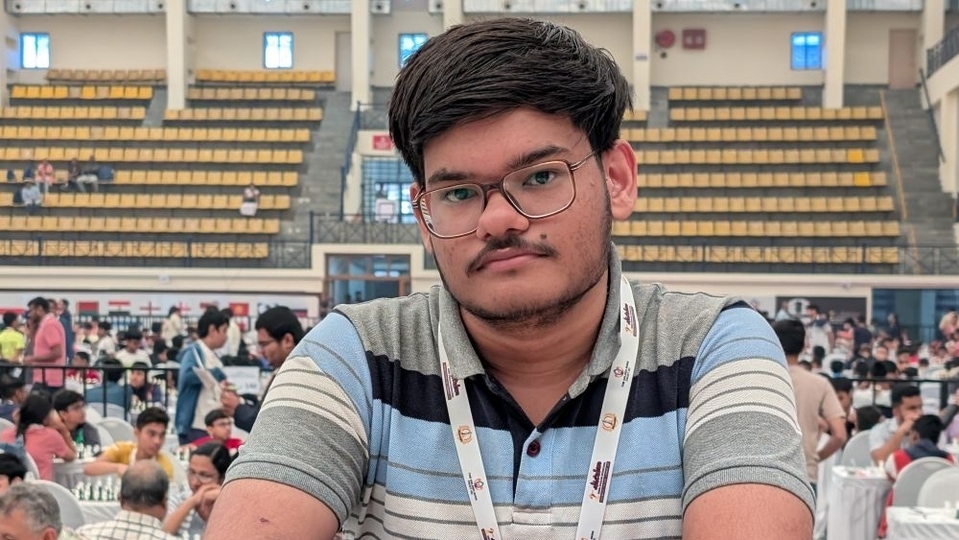
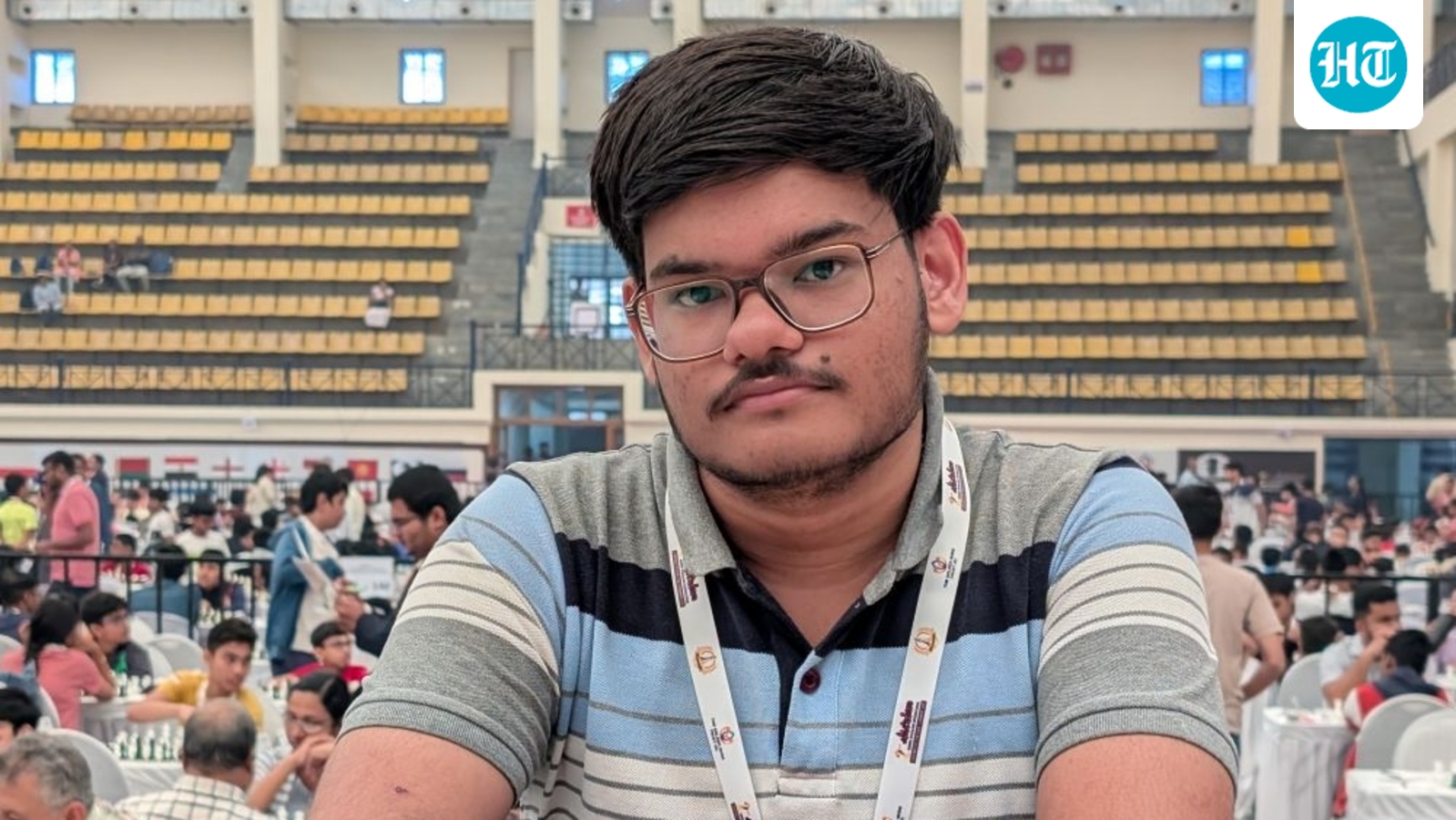
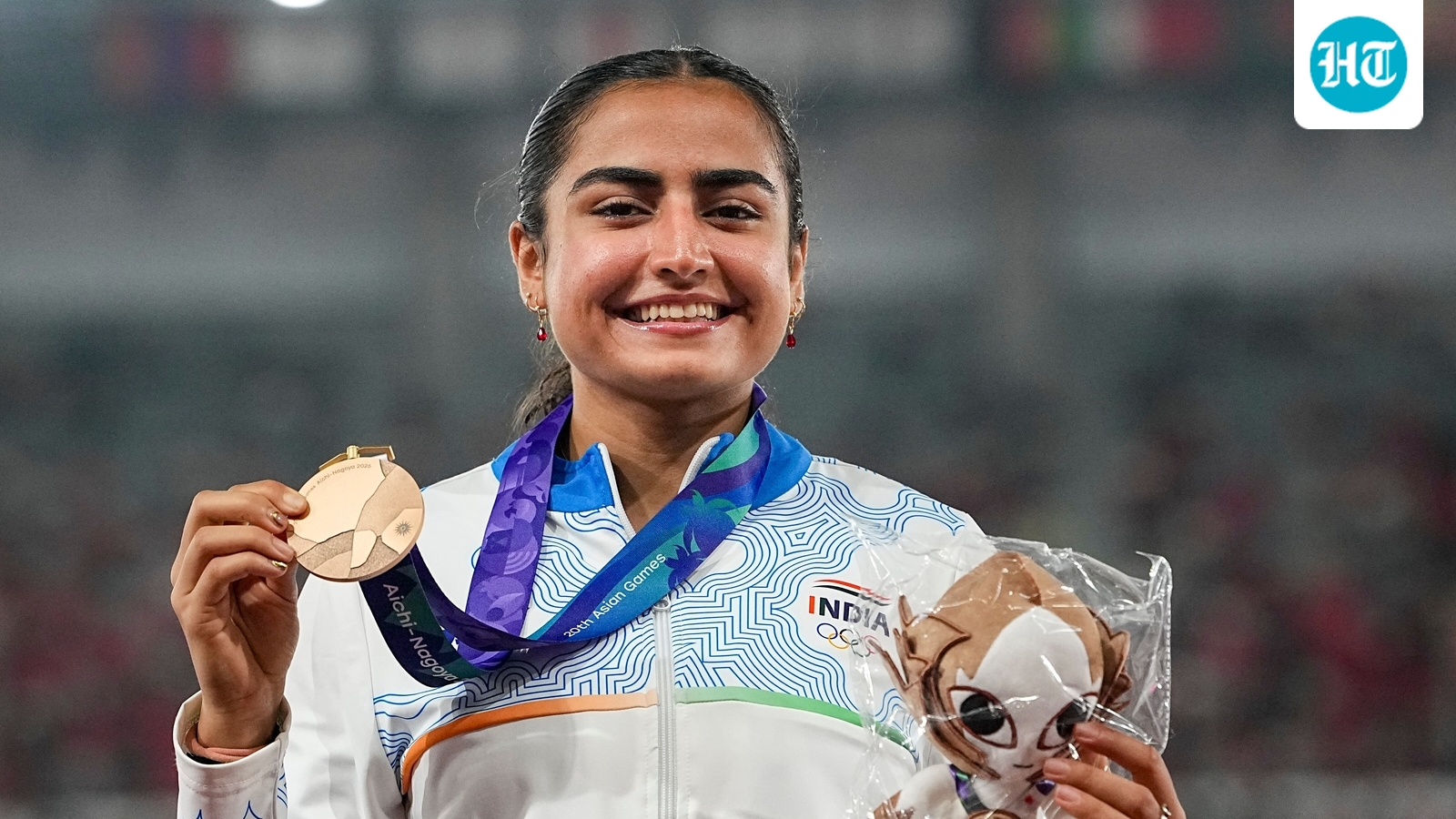
On Sunday, as the country lit up for Diwali, Anuj Shrivatri offered Indian chess another reason to celebrate. The 22-year-old won the 7th ASEAN Plus Individual Open Chess Championship in the Philippines with a score of 7/9 to become India’s 100th grandmaster, and the first from Madhya Pradesh.
Of the 100 grandmasters, 38 are from Tamil Nadu.
“I think it’s a remarkable milestone, the pace especially says a lot,” Anand told HT. “I think we were at 30 grandmasters 15 years ago. I remember distinctly, just before the Chennai Olympiad, I was thinking, well, if during the 2022 Olympiad, we became 75, that would be nice, because it would match the year of our independence. Four years later, we are at 100. It’s a nice moment to sit back and feel satisfied.”
Also Read: ‘This is just the beginning’: Harita Bhadra picks up pace as full-time athlete
Anand’s defining role in Indian chess’ rise and dominance bears mention. He arrived on the chess scene when it was a Soviet bastion. He went on to become a five-time world champion and spurred generations of Indians to take up chess as a career.
During the pandemic Anand set up his academy, WestBridge Anand Chess Academy (WACA), which offers training assistance to the country’s brightest names in the sport. Reigning world champion, D Gukesh, is its product.
It took nearly a decade for India’s count of grandmasters to go from one to three. The journey from 50-100, though, unfolded at a dizzying pace. This year alone, nine grandmasters arrived.
At the forefront of this grandmaster boom is a generation of ambitious young players backed by a bunch of gritty parents and coaches. Players like R Praggnanandhaa, Gukesh, Arjun Erigaisi and Nihal Sarin came through the ranks in their tweens and early teens, part of a wave for whom the grandmaster title was no longer the ultimate goal but an early milestone.
Their eye-popping feats – from a teenage Praggnanandhaa defeating world No.1 Magnus Carlsen five times in rapid and blitz games in 2022 and reaching the Fide World Cup final the following year, to Gukesh making history to become world champion at 18 – have made the improbable seem achievable.
The landmark tally of Indian grandmasters also includes women who have broken barriers along the way.
Koneru Humpy became India’s first female grandmaster at 15, more than two decades ago. Harika Dronavalli followed, with R Vaishali and Divya Deshmukh the latest to join the ranks, taking India’s count of female grandmasters to four. They were preceded by women who challenged entrenched prejudices, held their own in a predominantly male sport and helped open doors for generations who followed.
It can be argued that the path to becoming a grandmaster is both harder and easier now, with an abundance of training resources, powerful chess engines, online courses, databases, and norm tournaments available to aspiring players. While these tools have democratized access to high-quality instruction and made it possible for talented players from around the world to improve more efficiently than ever before, the overall standard of competition has risen dramatically since virtually every serious player has access to similar resources.
There’s also the small matter of being able to afford travel to overseas tournaments, particularly in Europe, in pursuit of GM norms (three grandmaster norms are required). Aside from being able to work with a GM coach and have access to the best learning tools.
For many, seeing the journey through to the grandmaster title is a hugely expensive proposition. Accounts of families having had to sell assets and property or turn to crowdfunding to keep their child’s grandmaster dreams alive, abound.
Currently, India has only one player – Praggnanandhaa in the top 10, with three others making up the country’s presence in the top 20, and a total of 13 Indians figuring in the top 100. It bears mention that the reigning world champion, world junior champion, women’s World Championship challenger, and Women’s World Cup champion are Indians.
For years, Anand was Indian chess’s lone grandmaster. Today, he is the first of 100.