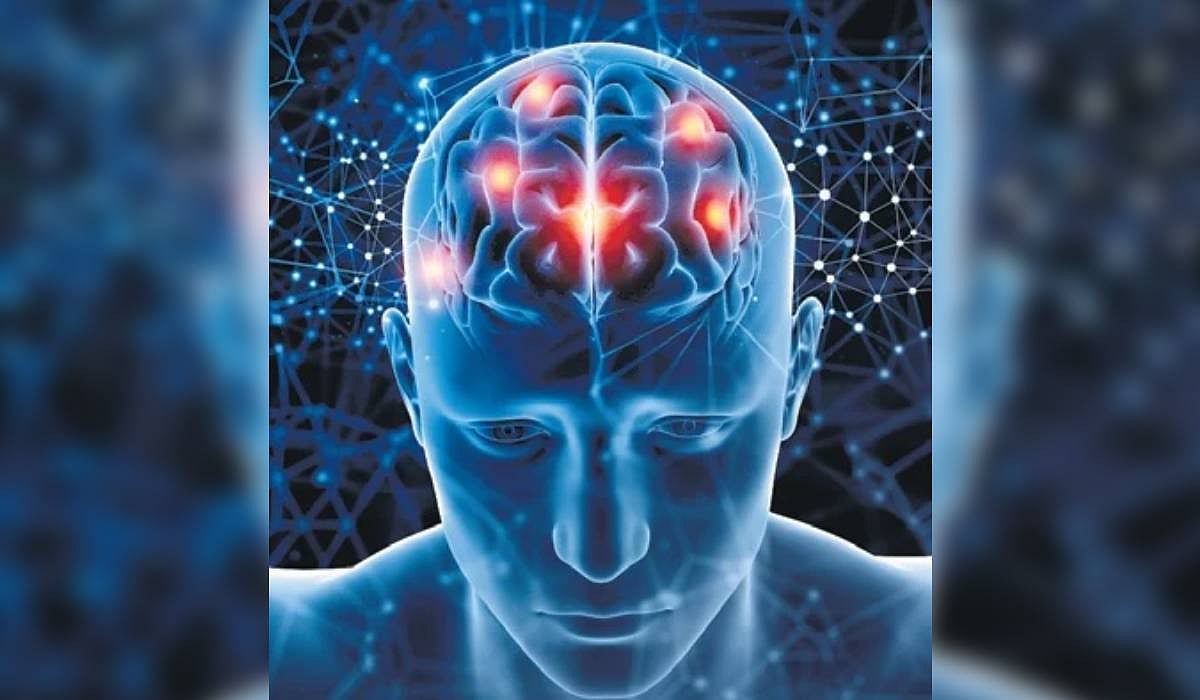


















Sources at AIIMS Rishikesh confirm that the Psychiatry OPD is diagnosing two to three suspected cases of Tourette Syndrome every month. The syndrome primarily affects the basal ganglia circuit in the brain, often linked to impulse control disorders.
Dr. Gupta further noted that in many cases, the frontal cortex circuit in the brain is also compromised. “While this condition is typically observed in children—who start swearing without reason and exhibit strange behaviors—we are now seeing it manifest prominently in older age groups,” he said.
While clinical evaluation is the primary diagnostic tool, doctors sometimes require advanced imaging. “Although clinical examination confirms the diagnosis, we sometimes need MRI and CT scans of the brain to rule out other issues,” Dr. Gupta added, noting that no definitive physical cause for the disorder has yet been established.
The impact of these involuntary actions on daily life is significant. Dr. Nisha Singla, a Senior Psychiatrist at the District Hospital, emphasized the psychological toll. “Tourette Syndrome is eroding the self-confidence of those affected,” Dr. Singla remarked. “Patients often curse due to anxiety or other triggers, only to feel deep regret afterward. This behavior is genuinely outside their control.” Dr. Singla recounted interactions with her patients, “Many of the individuals who come to me express confusion, stating they have absolutely no idea why they are doing it.”