
















International
oi-Saumya Joshi


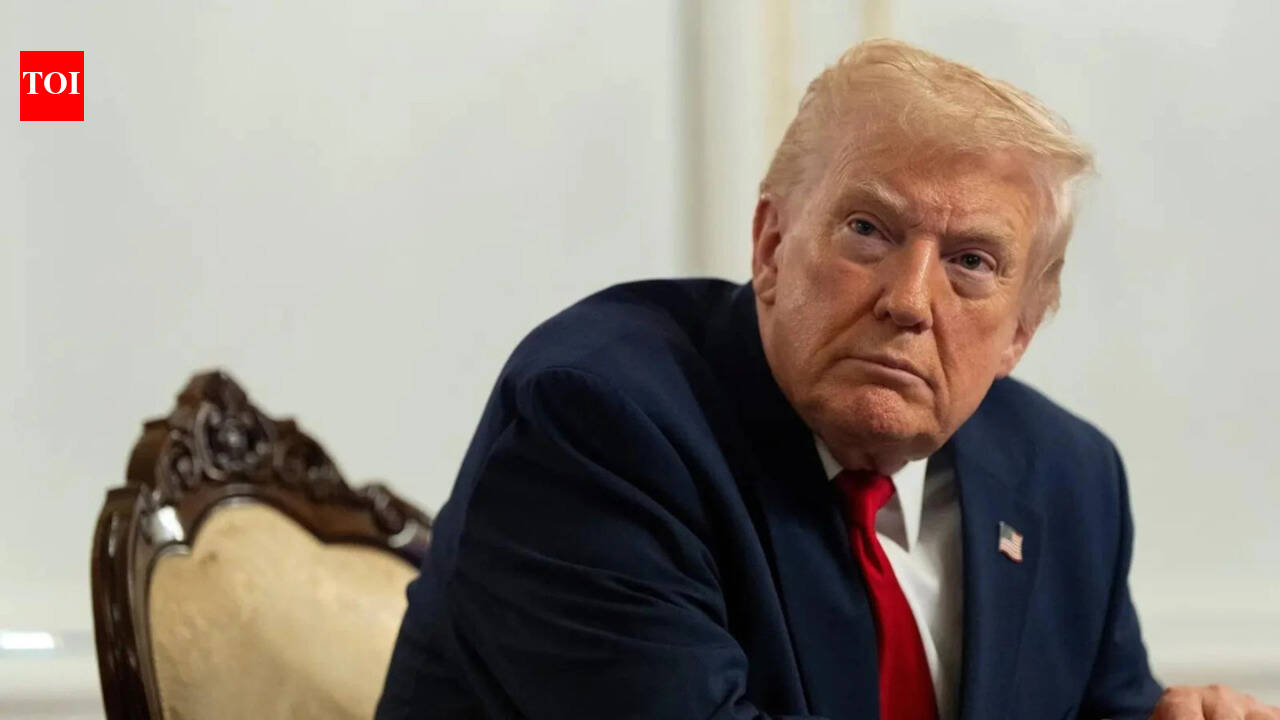
Former
President
Donald
Trump
has
announced
plans
to
end
birthright
citizenship
as
part
of
his
renewed
focus
on
immigration,
should
he
return
to
the
White
House
on
January
20,
as
reported
by
NDTV.
Here’s
an
in-depth
look
at
what
birthright
citizenship
entails
and
whether
Trump
has
the
legal
authority
to
alter
it.

What
Is
Birthright
Citizenship?
Birthright
citizenship
is
a
principle
enshrined
in
the
14th
Amendment
of
the
U.S.
Constitution,
ratified
in
1868.
The
Citizenship
Clause
explicitly
states:
“All
persons
born
or
naturalized
in
the
United
States
and
subject
to
the
jurisdiction
thereof,
are
citizens
of
the
United
States
and
of
the
State
wherein
they
reside.”
This
means
anyone
born
on
U.S.
soil
automatically
becomes
a
citizen,
regardless
of
their
parents’
immigration
status.
The
Immigration
and
Nationality
Act
of
1952
reinforces
this
definition.
Currently,
children
born
in
the
U.S.
to
undocumented
immigrants
are
considered
citizens
by
the
government.
Are
There
Exceptions?
Yes,
there
are
specific
exclusions:
Children
born
to
foreign
diplomats
with
diplomatic
immunity
do
not
qualify
for
U.S.
citizenship
because
they
are
not
considered
under
U.S.
jurisdiction.
What
Does
the
Supreme
Court
Say?
The
Supreme
Court
has
never
directly
addressed
whether
birthright
citizenship
applies
to
the
children
of
undocumented
immigrants.
However,
precedent
exists
from
the
1898
Wong
Kim
Ark
case,
in
which
the
Court
ruled
that
the
son
of
lawful
Chinese
immigrants
was
a
U.S.
citizen
because
he
was
born
on
American
soil,
as
reported
by
NDTV.
In
contrast,
an
1884
ruling
concerning
Native
Americans-who
were
then
members
of
sovereign
tribes-stated
they
were
not
U.S.
citizens
as
they
fell
outside
U.S.
jurisdiction.
This
changed
in
1924
when
Congress
granted
citizenship
to
all
Native
Americans.
Opposition
to
Birthright
Citizenship
Critics
argue
that
the
“subject
to
the
jurisdiction” clause
in
the
14th
Amendment
excludes
children
of
undocumented
immigrants.
Prominent
Republican
lawmakers,
including
Senators
Lindsey
Graham
and
Tom
Cotton,
have
introduced
bills
to
redefine
birthright
citizenship.
Their
proposals
suggest
citizenship
should
only
apply
if
at
least
one
parent
is
a
U.S.
citizen,
permanent
resident,
or
military
member,
as
reported
by
NDTV.
However,
most
legal
scholars
dismiss
this
interpretation,
noting
that
undocumented
immigrants
are
subject
to
U.S.
laws,
unlike
diplomats
who
have
immunity.
Can
Trump
End
Birthright
Citizenship
by
Executive
Order?
Legally,
this
is
highly
contentious.
The
U.S.
Constitution
grants
Congress
the
authority
to
regulate
citizenship,
and
no
president
has
previously
attempted
to
redefine
it
through
executive
orders.
Trump
could
issue
an
executive
order
stipulating
that
at
least
one
parent
must
meet
specific
criteria,
such
as
being
a
U.S.
citizen
or
permanent
resident,
to
confer
citizenship.
This
could
lead
to
agencies
withholding
passports
or
benefits
from
those
who
do
not
meet
the
new
requirements,
as
per
media
report.
However,
legal
experts
predict
such
an
order
would
face
immediate
challenges
in
federal
courts,
likely
leading
to
an
injunction.
Ultimately,
the
issue
could
escalate
to
the
Supreme
Court,
which
may
then
clarify
the
extent
of
birthright
citizenship
protections.
What
Would
It
Take
to
Change
Birthright
Citizenship?
If
the
courts
uphold
birthright
citizenship
as
a
constitutional
right,
amending
the
Constitution
would
be
the
only
path
to
change
it.
This
would
require
a
two-thirds
majority
in
both
houses
of
Congress
and
ratification
by
three-fourths
of
state
legislatures-a
lengthy
and
politically
challenging
process.
The
last
constitutional
amendment
was
in
1992,
as
per
media
reports.
Conclusion
Birthright
citizenship
is
deeply
rooted
in
U.S.
constitutional
history,
and
altering
it
would
face
significant
legal
and
procedural
hurdles.
While
Trump’s
proposal
could
ignite
a
legal
battle,
its
success
would
likely
depend
on
future
Supreme
Court
rulings
and,
potentially,
a
constitutional
amendment.