
















International
-Saumya Joshi


Donald
Trump’s
triumph
in
the
2024
US
elections
has
sparked
significant
reactions
across
the
country,
particularly
within
the
Indian
diaspora.
The
former
president’s
victory,
which
saw
him
securing
swing
states
and
leading
in
the
popular
vote,
has
set
the
stage
for
potential
Republican
dominance
in
both
the
Senate
and
the
House
of
Representatives.
This
shift
could
pave
the
way
for
a
more
cohesive
political
agenda,
with
key
areas
such
as
immigration,
gun
access,
healthcare,
and
housing
likely
to
be
on
the
Republican
radar.
At
the
same
time,
Vice
President
Kamala
Harris,
in
her
concession
speech
at
Howard
University,
reassured
the
nation
with
a
promise
of
a
peaceful
transfer
of
power,
reflecting
the
democratic
spirit
of
the
United
States
despite
the
heated
election
battle.

For
the
Indian
diaspora
in
the
US,
the
election
results
have
been
met
with
a
variety
of
emotions,
ranging
from
optimism
to
apprehension.
The
community,
with
a
deep
interest
in
the
outcome,
is
grappling
with
how
Trump’s
policies
could
shape
their
future
in
America.
Support
for
Trump’s
Re-election:
A
Focus
on
Domestic
Issues
A
segment
of
the
Indian
community
is
celebrating
Trump’s
victory,
particularly
those
who
believe
his
domestic
policies
will
address
issues
they
feel
were
inadequately
handled
during
President
Biden’s
term.
Many
are
hopeful
that
Trump
will
bring
an
end
to
conflicts
abroad,
such
as
the
wars
in
Ukraine
and
Palestine,
while
focusing
on
domestic
economic
issues,
including
unemployment
and
taxes.
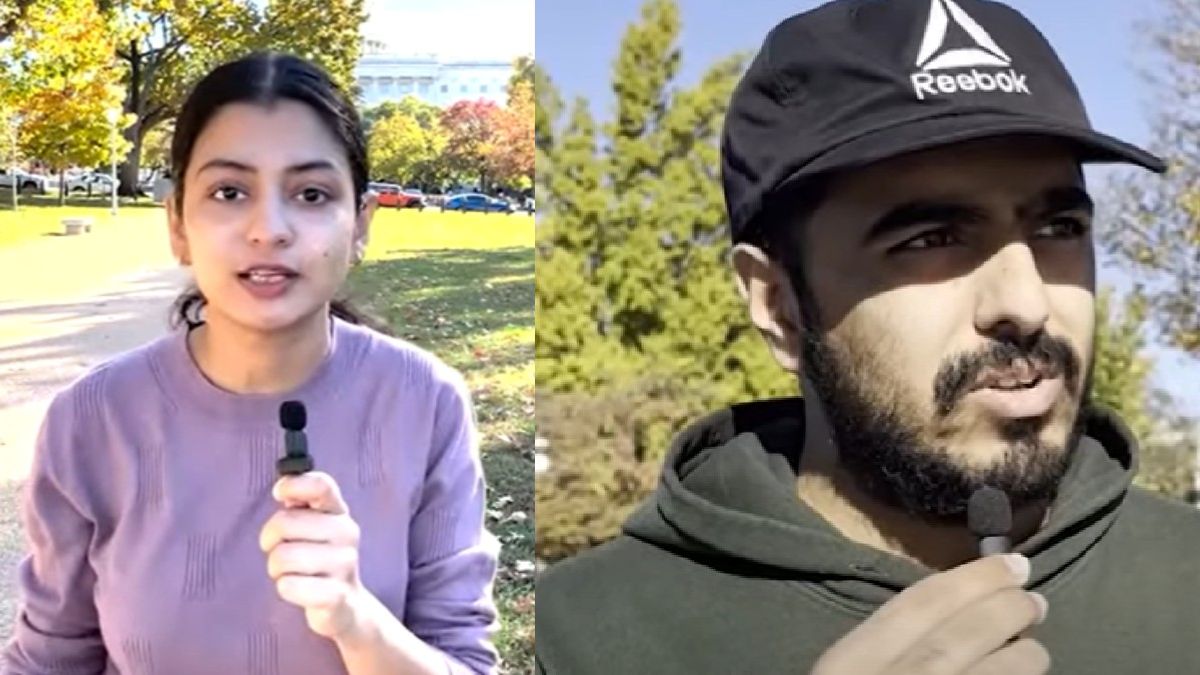
One
supporter
mentioned,
“Yeah,
I’m
very
happy
because
we
have
no
other
option
besides
Trump,”
highlighting
the
belief
that
his
leadership
will
focus
on
ending
wars
and
reducing
taxes,
both
of
which
resonate
with
the
Indian-American
community.
Concerns
and
Uncertainty:
The
Impact
of
‘America
First’
Policies
On
the
flip
side,
some
members
of
the
Indian
diaspora
expressed
a
more
cautious
stance,
citing
concerns
about
Trump’s
‘America
First’
policy.
The
apprehension
centres
around
the
potential
consequences
for
global
relations,
climate
change
efforts,
and
the
broader
international
community.
“I
do
not
know
if
I
should
say
happy
or
sad,
but
there
is
a
lot
of
uncertainty
because
of
President
Trump’s
America
First
policy,”
said
one
individual,
reflecting
the
complexity
of
emotions
surrounding
Trump’s
second
term.
The
concern
is
palpable,
as
the
policy
could
shift
the
US’s
approach
to
global
cooperation
and
environmental
issues,
areas
where
many
in
the
diaspora
hold
strong
values.
Immigration
and
Jobs:
A
Pragmatic
View
Among
the
issues
that
resonate
most
with
the
Indian-American
community
is
Trump’s
stance
on
illegal
immigration.
Some
feel
that
stricter
immigration
policies
could
ultimately
benefit
their
community
by
reducing
job
competition.
One
respondent
shared,
“If
he
can
help
stop
the
illegal
immigration,
it
will
help
Indian
people
by
finding
more
jobs,”
reflecting
a
pragmatic
approach
to
Trump’s
immigration
reforms.
While
this
view
is
driven
by
economic
considerations,
it
also
reveals
a
belief
that
stricter
immigration
control
could
create
more
opportunities
for
skilled
Indian
professionals
and
workers.
A
Call
for
Peace:
The
Expectation
of
an
End
to
Wars
Another
prevalent
theme
in
the
reactions
from
the
Indian
diaspora
is
the
hope
for
an
end
to
ongoing
international
conflicts.
Many
individuals
are
looking
to
Trump’s
second
term
to
bring
an
end
to
wars,
particularly
those
in
Ukraine
and
the
Middle
East.
“The
first
thing
he
has
to
stop
the
wars,”
one
person
stated,
underscoring
the
desire
for
a
peaceful
global
landscape.
This
sentiment
is
echoed
by
others
who
feel
that
peace
will
be
beneficial
not
only
for
the
US
but
for
the
world
at
large,
impacting
everything
from
economic
stability
to
humanitarian
concerns.
Looking
Ahead:
What
the
Future
Holds
for
the
Indian
Diaspora
As
the
Indian
diaspora
reflects
on
Donald
Trump’s
re-election,
their
reactions
are
a
mixture
of
hope,
concern,
and
pragmatic
anticipation.
While
some
celebrate
the
prospect
of
policy
changes
that
align
with
their
views
on
immigration,
taxation,
and
global
peace,
others
brace
themselves
for
challenges,
particularly
with
regard
to
Trump’s
environmental
policies
and
his
approach
to
international
relations.
Ultimately,
the
next
few
years
will
be
pivotal
in
determining
whether
the
expectations
of
the
Indian-American
community
align
with
the
realities
of
Trump’s
presidency.
With
significant
policy
shifts
likely
on
the
horizon,
the
coming
term
promises
to
be
a
critical
period
for
both
domestic
and
international
affairs.
The
Indian
diaspora,
with
its
diverse
perspectives,
will
closely
monitor
these
developments
as
they
navigate
the
impact
of
Trump’s
leadership
on
both
their
community
and
the
broader
global
stage.