



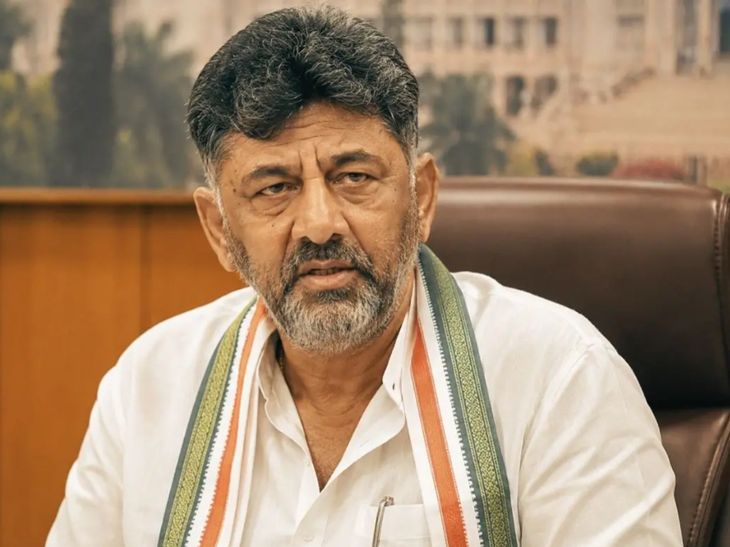











Cricketer Rishab Pant, who was involved in a horrific car crash in December last year, is on his way to recovery post surgeries on his leg and is concentrating on indoor workouts as well as nourishing, wholesome food.
Taking to Instagram, the ace wicketkeeper-batsman shared video snippets of indoor spin cycling. “Grip. Twist. Paddle. Good vibes only,” he captioned the post.

He also shared a glimpse of his “lunch” on his Instagram Stories which showed a bowl of fresh salad, some scrambled curry, 3 chapatis, and a warm beverage.
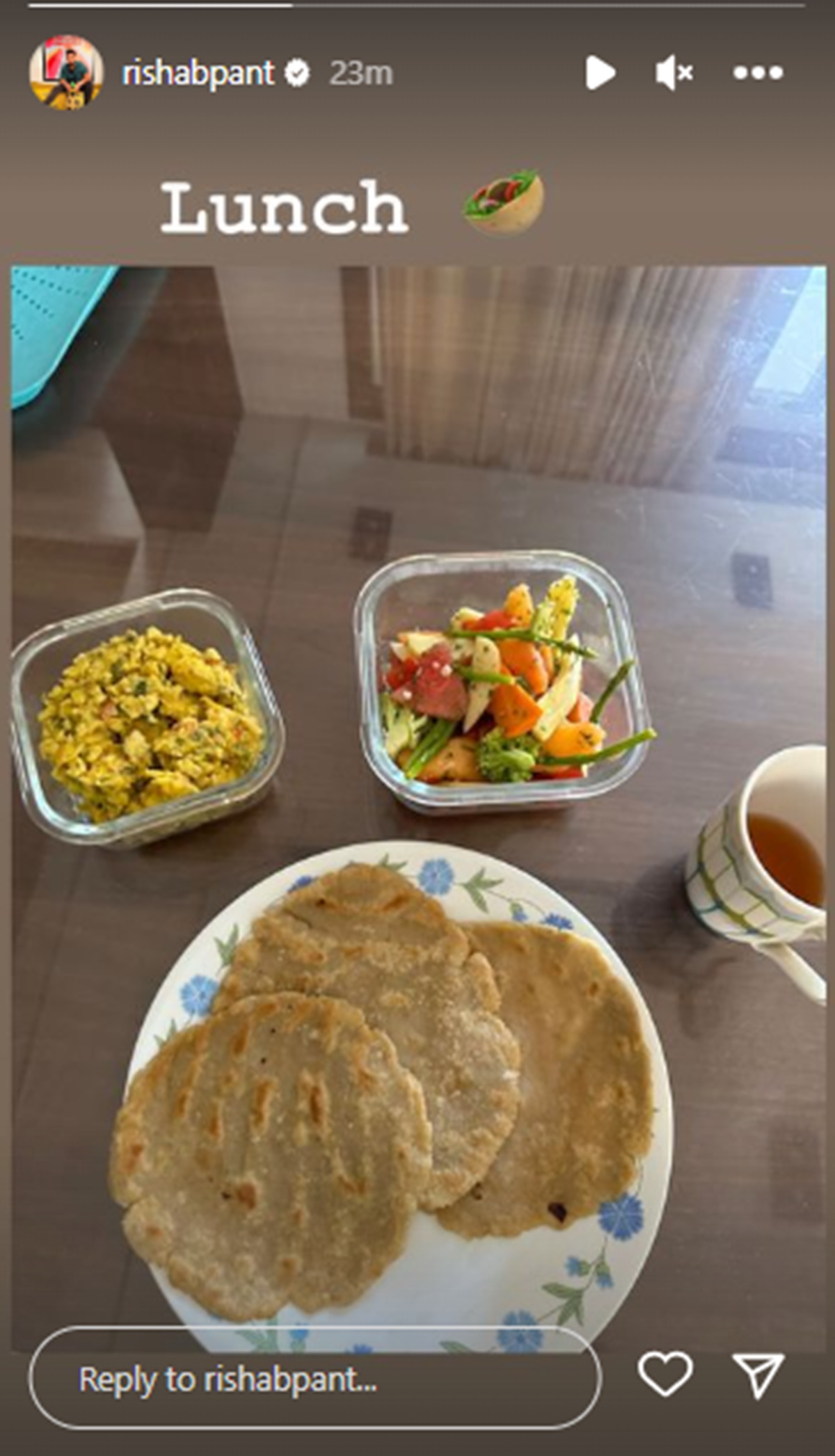 Rishab Pant shared a glimpse of his lunch (Source: Rishab Pant/Instagram Stories)
According to a statement from BCCI secretary Jay Shah recently, Pant is currently following a fitness programme designed for him which includes strength, flexibility, and running.
As such, we decided to understand how indoor spin cycling helps the body recover better.

This form of exercise is great for those individuals who are recovering from certain surgery on the joints. “The circular pedaling motion strengthens the joints and doesn’t overstress them. In fact, this is even the first exercise recommended to the patients after their knee replacement. You can begin gentle pedaling soon after the surgery, probably after two weeks. This is a single tool that enables to build up the strength of legs while supporting the mobility and stability of the knee joint and helping to achieve cardiovascular endurance,” fitness expert Garima Goyal told indianexpress.com.
How much can one do while recovering after surgery?
Begin by cycling without resistance for 30 minutes a day. Whenever thinking of doing indoor cycling post-surgery, make sure you have that level of strength and range of motion that cycling seems safe to you, said Goyal.
*Adjust the seat of the cycle in a way that when you are seated on it, there should be a slight bend in the operated knee when the pedal is at its lowest.
*Begin with slow pedaling, until your operated knee bends as far as you can tolerate. When your knee is bent as far as it will comfortably go hold the position for a few seconds and then pedal backwards until your knee once again bends as far as you can tolerate.
*Hold the position for a few seconds and slowly pedal forwards again.
*Start building light resistance gradually, to help improve the strength and endurance of your leg muscles. “Your physiotherapist will be able to give you advice on how much resistance to add and when. You might experience some knee discomfort, but this is to be expected and will ease over time,” said Goyal.
Role of good diet
Have high-quality protein to help the body to recover quicker. Salmon, mackerel, sardines, and anchovies are good examples of fatty fish that contain high amounts of omega-3 fatty acids that have anti-inflammatory properties which reduce the inflammation in the body caused by the surgery. “Calcium is key for maximising bone and joint health especially when undergoing joint surgery. Good sources of calcium include spinach, chia seeds, and kale as well as dairy products,” Goyal also mentioned.
Most Read
World Athletics Championships 2023 Highlights: Neeraj Chopra wins gold; Relay runners finish 5th; Parul Chaudhary scripts national record
Gadar 2 box office collection day 17: Sunny Deol film beats Shah Rukh Khan’s Pathaan, becomes the fastest film to cross Rs 450 crore mark
Apart from eating calcium-rich foods, you need to spend at least 15-20 a day outdoors in the daytime so your body can synthesise vitamin D from sunlight which helps in the absorption of calcium from the food you eat.
Vitamin C is essential for the formation of collagen which is present in the ligaments and tendons that connect the bones and muscles. Vitamin C-rich foods include citrus fruits such as oranges, lemon, kiwi, and grapefruit; and vegetables such as cauliflower, capsicum, and Brussel sprouts.
? For more lifestyle news, follow us on Instagram | Twitter | Facebook and don’t miss out on the latest updates!