









![JMA – Ninja & Deep Jandu [Official MV] Kaptaan](https://i.ytimg.com/vi/-dsfIh319s0/maxresdefault.jpg "JMA – Ninja & Deep Jandu [Official MV] Kaptaan")




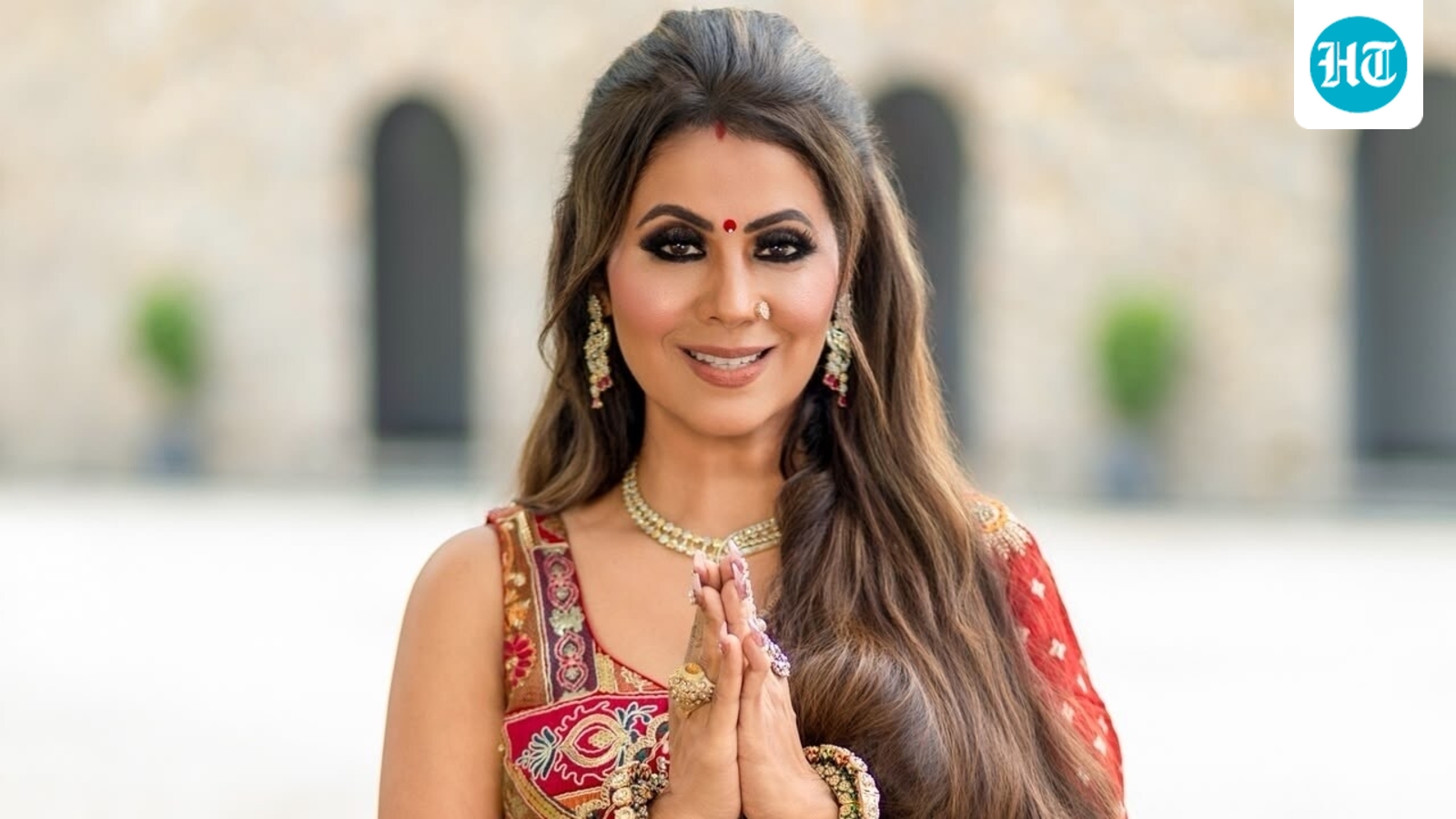
Sometimes a song stays with us not because of its music, but because of what we feel when we hear it. That was the case for Delhi-based devotional singer Sonia Arora, known for her rendition of the popular number Shukar Karaan Guruji. That’s what happened when she first heard singer Suneel Lodhi’s Maine Tere Hi Bharose from the recently released film Hanuman Ansh.
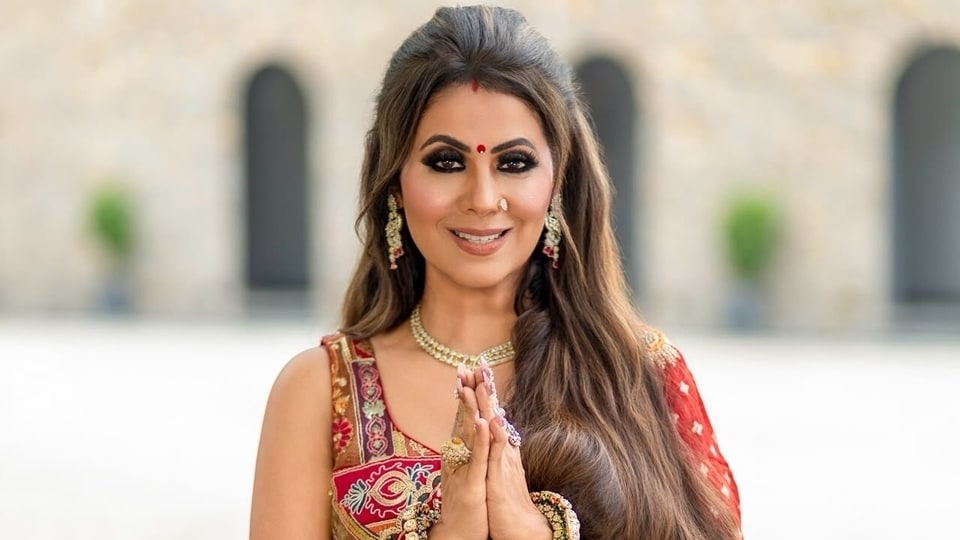
However, what caught her attention was not the technicalities of the composition, but the emotion in the voice. So much so that she decided to lend her own voice to the bhajan: “Jo Suneel ji ne gaaya hai, bilkul dil se. Bahut time baad kisi ke bhaav sune us gaane mein,” says Arora.
For her, the simplicity of the original is what makes it powerful: “Lay, taal, music sab chhod do. Sirf ektara (a traditional, one-stringed musical instrument) pe unhone jo gaaya hai, uske bhaav. Sirf gaayaki nahin hai, usme roohdaari ka maamla hai..matlab rooh(soul) se nikli hui awaaz.. Bas yahi mujhe aur poori duniya ko lubhaya.”
Her version comes at a time when devotional music is finding a strong audience among young listeners today. With songs such as Maine Tere Hi Bharose becoming popular on social media, she feels Gen Z is increasingly looking towards spirituality for comfort and connection. “Har insaan thaka hua hai. Andar hi andar koi na koi khaalipan hai har insaan mein jo sirf ishwar hi bhar sakta hai,” she says, adding that people are turning towards faith either to seek solace or to express gratitude.
Arora sees the rise of bhajan clubbing as a reflection of that search to connect with the divine, with Prime Minister Narendra Modi also praising and actively taking part in the trend. For her, the appeal lies in the sense of positivity and togetherness these gatherings create. “Jab sab ek saath ibaadat karte hain, woh jo positive energies hoti hain, aisa lagta hai jaise Bhagwan ke saath saakshaat baat kar rahe hain,” says the singer. Speaking about the future of the bhajan clubbing culture, she adds, “Ye kahan tak jaayega, yeh to pata nahi, but jab bhajan clubbing mein hum log gaate hain ya jo hum bhi sunte hain, to aisa lagta hai maano ishwar ke saakshaat darshan hote hain.”
Drawing a contrast between nightclubs and bhajan clubbing, she says, “Nightclubs kharab nahin hain… magar youth jo galat raaste pe ja raha tha, usse main kehti hoon… 50% to sort ho gaya jo ab bhajan attend karte hain.” For her, the bigger point isn’t condemning one form of entertainment, but giving youngsters another space to socialise while engaging with spirituality.
On AI’s growing presence in music, Arora is clear that she sees it as a threat to the people behind the music. “AI bilkul humare singers ko barbaad karne ka hi hai. Kisi ki zaroorat nahin padegi kal ko,” she says, adding “Jitne musicians hain, aaj jo music directors hain, lyrics jo likh rahe hain, jo unko ga rahe hain, sabke darwaaze band ho jaate hain.”
What unsettles her most is how AI can now replicate what has traditionally been deeply human:“Kuch songs itne hit ho gaye, lekin jab humein pata chala ki AI ne gaaya hai, to itna dil toota…Itna behtareen aapki machine ne ga diya ki insaano ki zaroorat nahin hai.” For Arora, music is ultimately about the person and emotion behind a voice, something she feels technology should not replace. “AI bilkul ban hona chahiye khas kar ke music industry mein,” she concludes.
For more, follow @htcity.delhijunction