



















International
oi-Madhuri Adnal

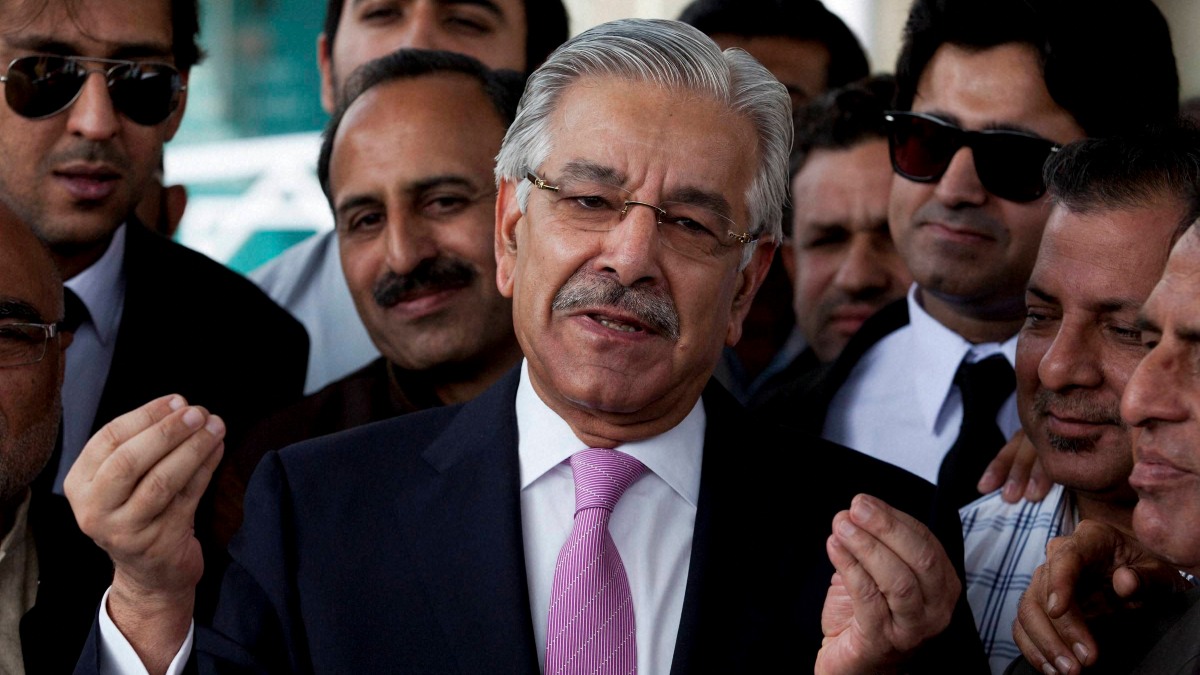
Pakistan Defence Minister Khawaja Asif has warned that Islamabad could consider military action if it believes India is threatening Pakistan’s access to the Indus river system, escalating tensions over the Indus Waters Treaty.
Speaking to ARY News, Asif said water was a matter of national security for Pakistan and warned that any move seen as endangering the country’s water supply could trigger a strong response.
Pakistan Defence Minister Khawaja Asif warned of military action against India over the Indus river system, heightening tensions regarding the 1960 Indus Waters Treaty. Pakistan cites potential water flow stoppage by June 2028 as a national security threat following India’s suspension of treaty adherence post-terror attack.

“The moment we feel that our national security – and water is part of our national security – is being threatened, we will go to war against India. Definitely,” Asif said.
His remarks come amid heightened tensions between India and Pakistan over the Indus Waters Treaty, which New Delhi put in abeyance following the April 2025 terror attack in Pahalgam, Jammu and Kashmir, in which 26 people were killed.
India has said the decision will remain in place until Pakistan takes credible and irreversible action against cross-border terrorism. New Delhi has blamed Pakistan-backed terrorists for the Pahalgam attack, while Islamabad has rejected the allegations.
Why the Indus Waters Treaty Is Important
The Indus Waters Treaty, signed in 1960 with the World Bank’s involvement, governs the sharing of waters from the Indus river system between India and Pakistan.
Under the treaty, Pakistan has access to the western rivers – the Indus, Jhelum and Chenab – while India has rights over the eastern rivers – Ravi, Beas and Sutlej. The agreement has survived several wars and major diplomatic crises between the two countries, making its suspension a significant development in South Asia’s security landscape.
Pakistan is heavily dependent on the Indus basin for irrigation, agriculture and drinking water. The river system supports one of the world’s largest irrigation networks and is vital for food production across large parts of the country.
Asif’s comments followed a video clip of India’s Jal Shakti Minister C R Patil suggesting that the flow of Indus waters to Pakistan could be completely stopped by June 2028. Pakistan has interpreted such statements as a sign that India may be preparing to use water as leverage in the broader conflict.
Pakistan Raises Alarm Over River Diversion Plans
Pakistan has repeatedly argued that the treaty cannot be altered or suspended unilaterally. Islamabad says any disruption in water flows could have serious consequences for agriculture, food security and the livelihoods of millions of people.
Pakistan Deputy Prime Minister Ishaq Dar last week sought the intervention of the United Nations Security Council, accusing India of violating the treaty. Pakistan has also raised concerns over alleged plans to divert water from the Chenab through river-linking projects.
India, however, has maintained that cooperation under the treaty cannot continue while Pakistan fails to act against terror groups operating from its territory.
The disagreement has now moved beyond technical issues related to dams, water flow and project design. It has become part of the wider India-Pakistan security confrontation, with both sides presenting the issue as a core national interest.
Why the Row Is Sensitive
The Indus basin is directly linked to Pakistan’s food production, rural employment and economic stability. Even concerns over future disruptions can create political pressure, especially as Pakistan faces water stress and climate-related challenges.
For India, the treaty dispute is closely tied to national security and terrorism. For Pakistan, it is linked to water access and economic survival.
The growing use of military language is likely to make diplomatic engagement more difficult. Public threats over war, river diversion and complete stoppage of water flows can harden positions and reduce the scope for technical talks.
The future of the dispute will depend on whether both countries return to treaty-based mechanisms or allow the water issue to become another major flashpoint in their already strained relationship.