












The Indian rupee has plunged to a new all-time closing low of 95.81 against the US dollar, as escalating crude oil prices, inflation worries, and a robust dollar index continue to exert significant downward pressure on the currency.

Illustration: Dominic Xavier/Rediff
Key Points
- The Indian rupee closed at a record low of 95.81 against the US dollar, after touching an intraday low of 96.14/USD.
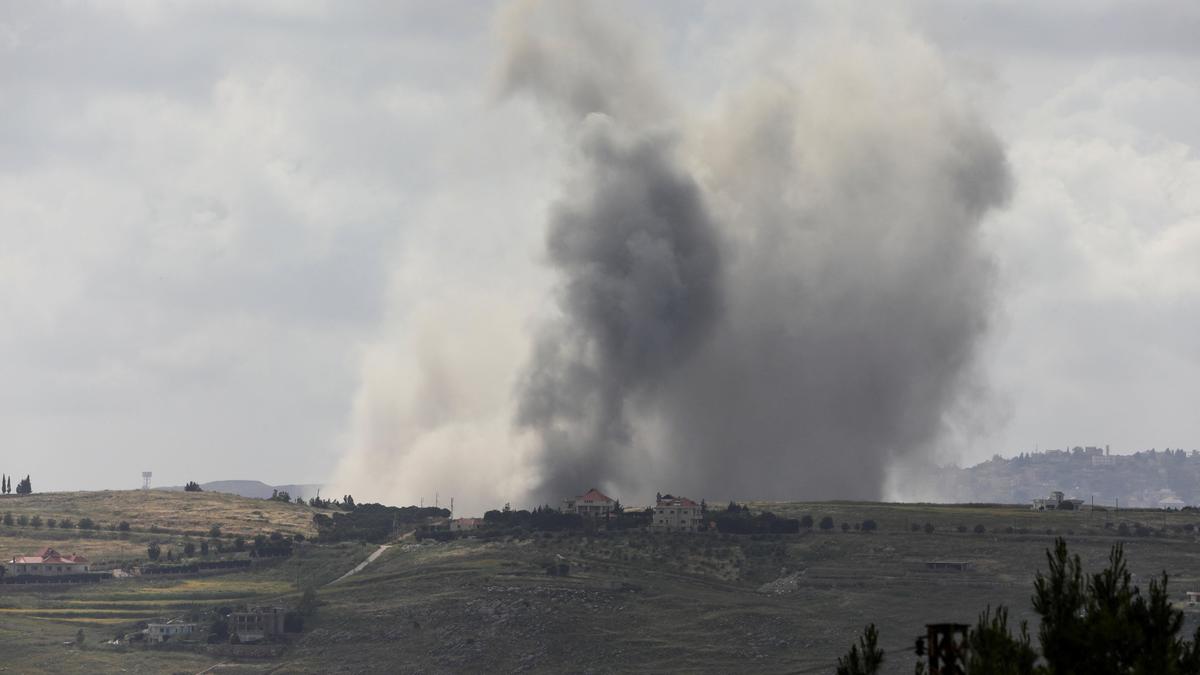
- Elevated crude oil prices, particularly due to Iran war risk escalation, and global inflation concerns are key factors driving the rupee’s depreciation.
- A stronger US dollar, buoyed by robust US retail sales and stable labour market data, is also contributing to the rupee’s weakness.
- Weak net FDI inflows and global uncertainties are exerting pressure on India’s balance of payments.
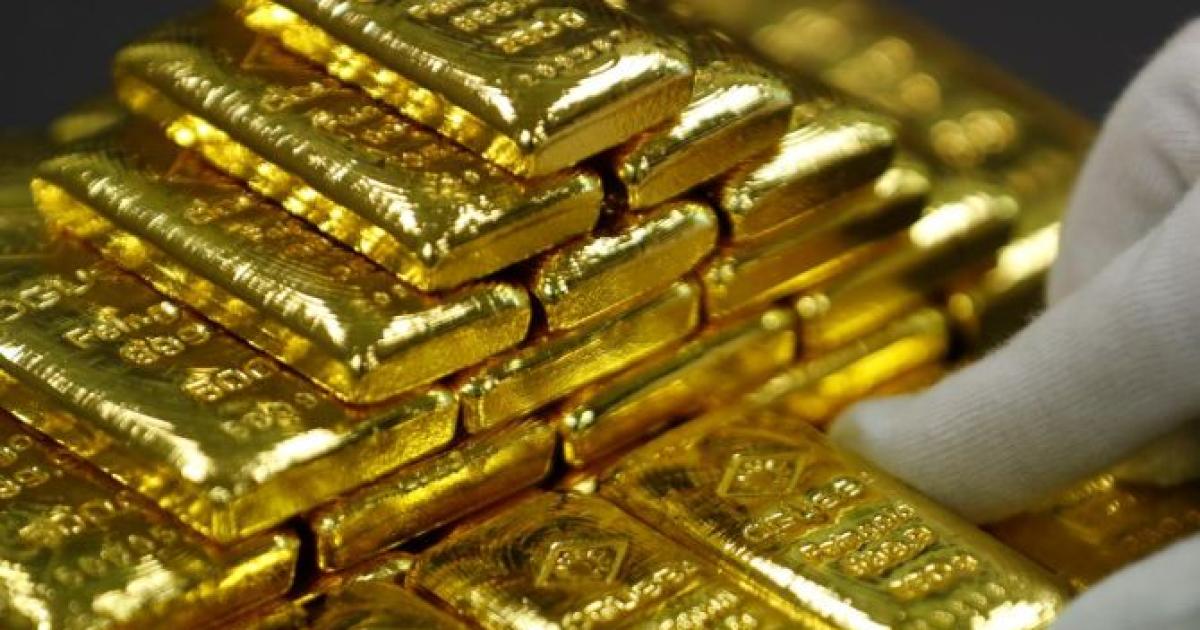
- Analysts predict the rupee will continue to trade with a negative bias, though potential RBI intervention and import duty hikes on gold/silver could offer some support.
The Indian rupee crashed below the 96/$mark on Friday before closing at an all-time low of 95.81 against the US dollar as elevated crude oil prices and inflation concerns added to the downside pressure on the rupee.
Rupee has registered over 6 per cent losses so far this year, and in the past six trading sessions, it has depreciated nearly 2 per cent as Iran war risk escalation pushed crude oil prices higher.
The dollar index moved northwards after strong US retail sales and stable labour market data reduced expectations of aggressive Federal Reserve rate cuts.
Factors Driving Rupee’s Decline
Forex traders said global uncertainties, relatively high valuations, and the lack of AI-led investment opportunities have weighed on capital flows.
Moreover, weak net FDI inflows are likely to exert pressure on the balance of payments, while rising crude oil prices stoke inflation worries.
At the interbank foreign exchange, the rupee opened at 95.86, then slumped to a record low of 96.14 in intraday trade, registering a fall of 50 paise from its previous close.
The USD/INR pair finally settled at its lowest-ever closing level of 95.81 against the US dollar, registering a fall of 17 paise from its previous close, helped by likely RBI intervention.
On Thursday, the rupee weakened to a record low of 95.96 before closing with a marginal gain of 2 paise at 95.64 against the US dollar.
Global Market Impact
Meanwhile, the dollar index, which gauges the greenback’s strength against a basket of six currencies, was trading at 99.15, higher by 0.34 per cent.
Brent crude, the global oil benchmark, was trading up 3.14 per cent at $109.04 per barrel in futures trade.
On the domestic equity market front, Sensex fell 160.73 points to settle at 75,237.99, while Nifty declined 46.10 points to 23,643.50.
Foreign Institutional Investors remained net buyers for the second straight session, purchasing equities worth Rs 1,329.17 crore on Friday, according to exchange data.
Trade Deficit Widens
According to the Commerce Ministry data released on Friday, India’s trade deficit widened to $28.38 billion in April this year against $27.1 billion recorded in the year-ago month and $20.67 billion in March 2026.
The country’s exports rose by 13.78 per cent to $43.56 billion in April despite global challenges, Commerce Secretary Rajesh Agrawal said, adding that imports grew 10 per cent year-on-year to $71.94 billion.
Outlook for the Rupee
Anuj Choudhary, Research analyst at Mirae Asset ShareKhan, said the rupee is expected to trade with a negative bias on elevated crude oil prices and inflation concerns.
“Strong dollar and FII outflows may also weigh on the rupee. However, any intervention by the RBI and hiking of import duty on gold and silver may support the rupee at lower levels. USD-INR spot price is expected to trade in a range of 95.60 to 96.20,” Choudhary said.
Background
Chinese President Xi Jinping and his US counterpart Donald Trump on Friday hailed their talks as “historic” and “landmark”, as the American leader wrapped up his three-day visit on a high note, but no deals on any contentious issues were announced.
Both Presidents, who held several rounds of talks covering a range of global issues, including the Iran war and bilateral trade frictions, concluded their discussions with a private meeting at Zhongnanhai, the well-guarded compound in Beijing where top leaders reside.