














India
-Gaurav Sharma


The
Bharatiya
Janata
Party
(BJP)
taking
steps
to
issue
notices
to
more
than
20
of
its
MPs
who
were
not
present
for
the
vote
on
the
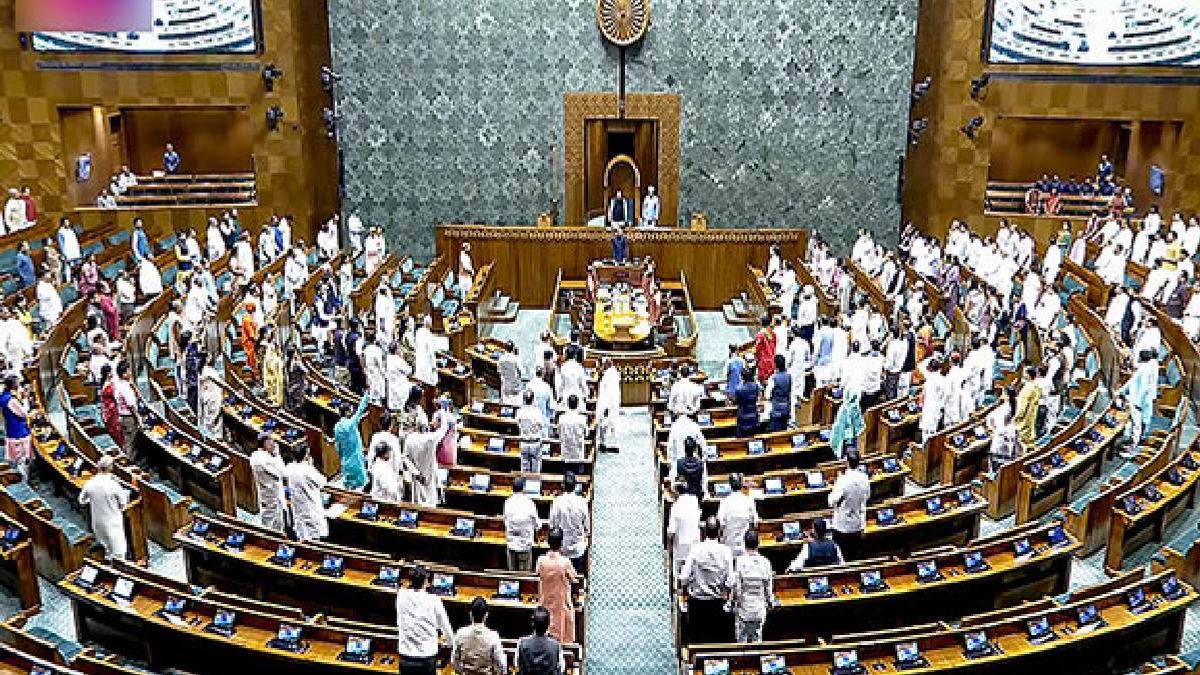
introduction
of
the
One
Nation
One
Election
(ONOE)
bill
in
the
Lok
Sabha,
as
informed
by
sources.
This
move
comes
after
the
party
had
explicitly
instructed
its
MPs
to
be
present
through
a
whip
issued
for
Tuesday.
The
discussion
around
this
bill
has
sparked
significant
debate,
leading
to
its
referral
to
a
joint
parliamentary
committee
(JPC)
after
Law
Minister
Arjun
Ram
Meghwal
presented
it
in
the
lower
house
of
Parliament.
In
response
to
the
bill’s
introduction
and
subsequent
referral,
Shiv
Sena
UBT
MP
Priyanka
Chaturvedi
voiced
strong
opposition,
labeling
the
initiative
as
“anti-constitution,
anti-democracy,
and
anti-federal
structure.” Chaturvedi
argued
that
not
only
does
the
proposal
fail
to
align
with
democratic
principles,
but
it
also
won’t
result
in
financial
savings,
countering
one
of
the
potential
arguments
in
its
favor.
This
stance
highlights
the
deep
divisions
the
bill
has
created
among
political
parties
and
within
the
broader
political
landscape.

Amidst
objections
from
various
quarters,
Law
Minister
Arjun
Ram
Meghwal
emphasized
that
the
proposed
legislation,
including
The
Constitution
(129th
Amendment)
Bill,
would
not
undermine
the
autonomy
of
states.
Following
a
debate
that
lasted
nearly
an
hour
and
a
half,
the
bill
saw
269
members
voting
in
support
while
198
opposed
it.
Meghwal
also
introduced
The
Union
Territories
Amendment
Bill
aimed
at
synchronizing
elections
in
Union
territories
with
those
for
the
Lok
Sabha,
asserting
that
these
measures
do
not
violate
the
constitution’s
foundational
principles.
The
opposition
has
criticized
the
bills
as
a
‘dictatorial’ move,
yet
Meghwal
countered
these
claims
by
stating
that
key
constitutional
doctrines
such
as
judicial
review
and
the
federal
character
have
not
been
compromised.
According
to
him,
the
criticisms
are
more
politically
motivated
than
based
on
concerns
over
constitutional
integrity.
This
defense
suggests
a
framing
of
the
opposition’s
arguments
as
lacking
in
substantive
concerns
over
the
legislation’s
impact
on
India’s
democratic
framework.
Furthering
the
discussion,
Union
Home
Minister
Amit
Shah
revealed
that
Prime
Minister
Narendra
Modi
advocated
for
the
bills’
examination
by
a
joint
parliamentary
committee,
hoping
for
thorough
discussions
at
every
level.
Shah
outlined
a
process
where
the
JPC’s
report
would
undergo
Cabinet
approval
before
being
debated
again
in
the
House,
indicating
a
commitment
to
extensive
parliamentary
scrutiny
of
the
proposed
changes.